One of the first questions every new homebrewer asks is also one of the hardest to answer simply: how long until I can drink this? The honest answer is “it depends,” but that’s not terribly useful. What follows is a practical, style-by-style breakdown of realistic homebrew timelines — so you can plan your batches around your calendar rather than just your enthusiasm.
The Four Phases of Brewing Time
Every beer moves through the same four phases, and the total time is the sum of each:
- Brew day — Mashing (optional for extract), boiling, chilling, pitching yeast
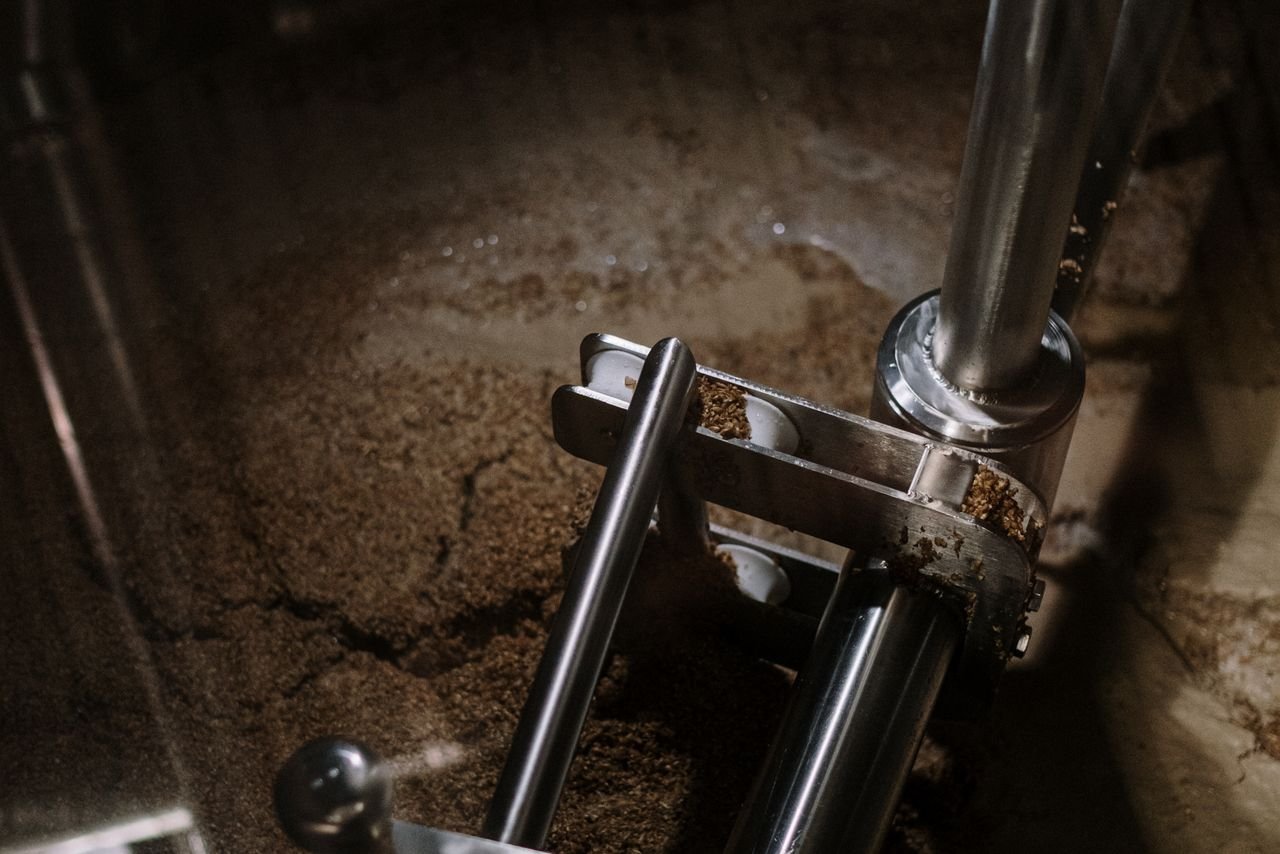
- Primary fermentation — Yeast converts sugars to alcohol and CO₂
- Conditioning / secondary — Flavors mature, yeast settles, clarity improves
- Carbonation — Whether bottle conditioning or force carbonating in a keg
Each phase has a minimum and an ideal duration, and rushing any of them tends to produce flat, hazy, or off-flavored beer.
How Long Is Brew Day?
Brew day ranges from about 2 hours for a simple extract batch to 5–6 hours for a full all-grain brew with a step mash. Here’s a rough breakdown:
| Method | Typical Brew Day Duration |
|---|---|
| Extract (no steeped grains) | 2–2.5 hours |
| Extract with steeping | 2.5–3 hours |
| Partial mash | 3–4 hours |
| BIAB (Brew in a Bag) | 3.5–5 hours |
| All-grain (3-vessel) | 5–6+ hours |
The boil alone is usually 60–90 minutes, and chilling wort takes 15–30 minutes depending on your chiller setup.
Primary Fermentation: The Wait You Can’t Rush
Primary fermentation is where most of the time goes, and it varies considerably by yeast strain and temperature. Most ale yeasts working at 65–72°F (18–22°C) complete their main fermentation in 5–10 days. Lager yeasts fermenting at 48–55°F (9–13°C) take longer — typically 10–21 days for primary alone. White Labs publishes individual strain datasheets with typical attenuation and fermentation time ranges that help set realistic expectations for each yeast.
The American Homebrewers Association recommends checking that fermentation is truly complete before packaging — not by calendar alone, but by taking two gravity readings 48 hours apart and confirming they match. Packaging too early is a leading cause of bottle bombs and gushers.
Beer Fermentation Explained: What Happens in the Fermenter covers how to read the signs that fermentation is complete.
Conditioning Time by Style
Conditioning is where beer transforms from “technically fermented” to genuinely delicious. Different styles require different conditioning periods:
Light lagers and American ales — The fast lane. A simple American wheat, cream ale, or Kölsch can be drinkable in as little as 3–4 weeks total from brew day. These are designed to be fresh and crisp, not aged.
Pale ales and IPAs — 3–5 weeks total. Hop aroma is most vibrant fresh, so don’t over-condition these. West Coast IPAs benefit from a week of cold conditioning for clarity; hazy IPAs are meant to be drunk young.
Amber ales, brown ales, stouts, and porters — 4–6 weeks. The extra malt complexity benefits from time to integrate. A robust porter rushed at 3 weeks will taste harsh where a 6-week version tastes smooth and rounded.
Belgian ales (saison, tripel, dubbel) — 6–12 weeks. Belgian strains produce complex ester and phenol compounds that need time to mature and mellow. A tripel at 4 weeks can taste fusel and rough; at 8–10 weeks it’s transformed. BeerAdvocate has extensive community notes on optimal cellaring times for Belgian styles.
Lagers — 6–12+ weeks. The term “lagering” literally refers to cold storage (from the German lagern, to store). After a primary fermentation at 48–55°F (9–13°C), a true lager cold conditions at 32–38°F (0–3°C) for a minimum of 4 weeks, often longer. A Munich Helles brewed for Oktoberfest should realistically start lagering at least 6 weeks before serving. Pilsner Urquell, arguably the world’s most famous lager, is lagered for roughly 70 days.
Barleywines and imperial stouts — 3–12 months (or longer). These high-ABV styles are genuinely improved by extended aging. The BJCP Style Guidelines note that many examples improve significantly with 6–12 months of cellaring.
Carbonation Time
If you’re bottle conditioning, add 1–3 weeks of room-temperature carbonation to your timeline. After priming with sugar and capping, bottles need time for the small residual yeast charge to produce CO₂ inside the sealed bottle. Two weeks at 68–72°F (20–22°C) is a standard guideline.
Kegged beer force-carbonated at serving pressure (10–12 psi at 38°F / 3°C) takes about 7–10 days to fully carbonate. Using the burst carbonation method (30+ psi for 24–48 hours) can get you pouring in 2 days, though the results are sometimes less stable.
A Realistic Timeline, Style by Style
| Style | Total from Brew Day |
|---|---|
| American Wheat / Kölsch | 3–4 weeks |
| Pale Ale / IPA | 4–5 weeks |
| Amber Ale / Brown Ale | 5–7 weeks |
| Stout / Porter | 5–8 weeks |
| Saison | 6–10 weeks |
| Belgian Tripel / Dubbel | 8–12 weeks |
| Märzen / Oktoberfest Lager | 10–14 weeks |
| Pilsner | 10–16 weeks |
| Barleywine / Imperial Stout | 4–12+ months |
Tips for Planning Your Brew Schedule
- Brew in parallel — Once you’re on your second or third batch, stagger your brews so you always have something ready. Many experienced homebrewers maintain 2–3 batches in rotation at any time. Recipe planning resources on Brewer’s Friend let you schedule brew days and track batch calendars across multiple concurrent fermentations.
- Plan around events — Brewing for a summer barbecue? Count backward from your serve date. Pale ales and wheats give you the most scheduling flexibility.
- Use a refractometer or hydrometer early — Knowing you’ve hit final gravity early means you can cold crash and package sooner rather than waiting arbitrarily.
- Cold conditioning speeds clarity — A cold crash in the last week of conditioning doesn’t extend total time; it often lets you package a few days earlier with better results. How to Brew by John Palmer provides detailed guidance on when conditioning is genuinely complete.
The Brew Professor Takeaway
There’s no universally correct answer to “how long does it take to brew beer?” — but there is a clear principle: the minimum time is governed by biology, not impatience. Give your yeast time to ferment cleanly, let your beer condition properly, and carbonate fully. The reward is beer that tastes finished rather than rushed. The most common homebrew mistake is cracking a bottle a week too early and wondering why it tastes flat and green.