Beer has been around for thousands of years, which means it has had plenty of time to accumulate folklore, half-truths, and outright fiction. Some myths are harmless. Others will genuinely steer you toward worse beer experiences. Here are ten of the most persistent beer myths, set straight with a little science.
Myth 1: Dark Beer Is Stronger Than Light Beer
This is probably the most widespread beer misconception in existence. Color and strength have almost nothing to do with each other. A dry Irish stout like Guinness Draught clocks in at just 4.2% ABV — lighter than many golden lagers. Color comes from roasted malts, which contribute very little to fermentable sugar. Alcohol comes from fermentable sugars. You can brew a jet-black 3.5% session stout or a crystal-clear 14% barleywine. Judge strength by the ABV printed on the label, not the color in the glass.
Myth 2: Skunked Beer Comes from Temperature Changes
Nope. Skunking is caused by light, not heat fluctuations. When ultraviolet light hits the iso-alpha acids produced by hops during brewing, it triggers a photochemical reaction that creates 3-methyl-2-butene-1-thiol — the same compound a skunk uses for defense. This is why most quality craft brewers use brown or canned packaging. Clear and green glass offer almost no protection. Storing beer cold, then warming it, then re-chilling it won’t skunk it, though repeated temperature swings can gradually degrade other flavor compounds. The real villain is a sunny window or a fridge with a glass door.
Myth 3: Beer Stored Cold Must Stay Cold
The “cold chain” myth suggests that once a beer has been refrigerated, taking it back to room temperature destroys it. In reality, temperature cycling causes gradual flavor staling — but a single warming-and-re-chilling cycle won’t ruin most beers. Sensitive styles like fresh hazy IPAs are more vulnerable, but a robust stout or lager can handle it fine. Where the myth has a kernel of truth: hop aroma fades faster at warmer temperatures, so if freshness is the goal, keeping a beer cold continuously is genuinely better. The American Homebrewers Association notes that warmth accelerates oxidation over time, which is the real threat to long-term flavor.
Myth 4: Beer Doesn’t Improve with Age
Most beers don’t — and shouldn’t — be aged. But strong, high-gravity beers like imperial stouts, barleywines, and Belgian quads can develop remarkable complexity over years in the bottle. The alcohol acts as a preservative while oxidation and esterification gradually round out harsh edges, add dried fruit notes, and mellow bitterness. BeerAdvocate hosts entire communities dedicated to cellaring beer for vertical tastings. The rule of thumb: anything over 8–9% ABV with good malt backbone is a candidate for aging. Anything hop-forward or under 6% should be drunk fresh.
Myth 5: Guinness Has More Calories Than Other Beers
This one surprises people. Guinness Draught (4.2% ABV, nitrogenated) has roughly 125 calories per 12-ounce serving — less than a Budweiser (145 cal) or a Heineken (149 cal). Calories in beer come primarily from alcohol and residual sugars. Because Guinness is relatively low in both ABV and residual sweetness, it ends up being one of the more calorie-efficient pints on the bar menu. The dark color and thick-looking head create an illusion of richness that has nothing to do with caloric density.
Myth 6: Craft Beer Is Always Better Than Macro Lager
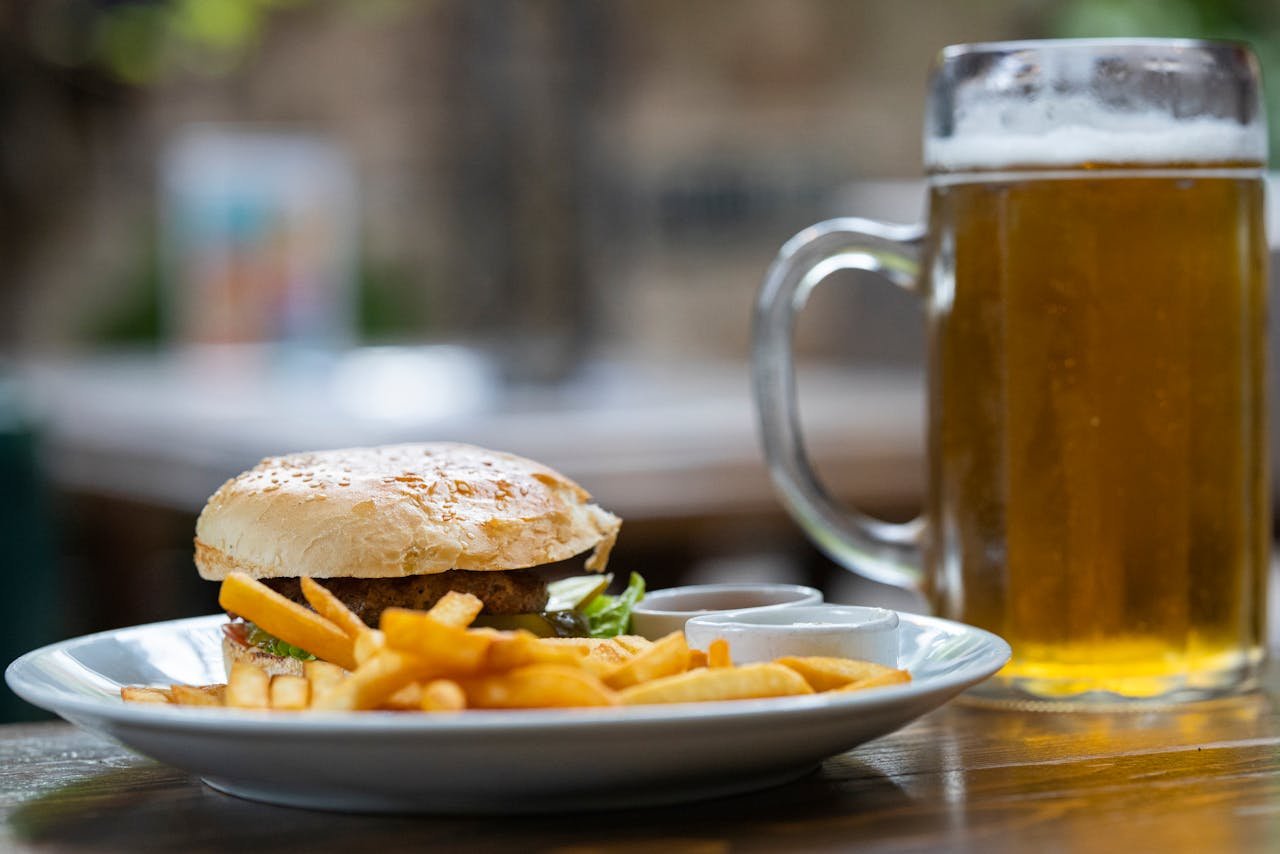
This is more of a snobbery myth than a factual one, but it deserves deflating. The goal of a brewer, whether at a 10-barrel craft operation or a global megabrewery, is to produce a consistent product that delivers on its promise. A well-made American adjunct lager — crisp, clean, extremely consistent batch to batch — is a genuine technical achievement. As CraftBeer.com puts it, “better” depends entirely on context. On a scorching afternoon after yard work, a cold light lager may deliver more pure satisfaction than any double IPA. Judge beer by whether it succeeds at what it’s trying to be.
Myth 7: Beer Must Be Served Ice Cold
Serving temperature has a massive effect on flavor — but “colder is better” is simply wrong for most styles. Cold suppresses aroma and numbs your taste buds, which is why mega-brands advertise iceberg-cold serving: it disguises thin, adjunct-forward flavor. Many styles reveal their full character at warmer temperatures:
| Style | Ideal Serving Temperature |
|---|---|
| Light lager / pilsner | 38–42°F (3–6°C) |
| Pale ale / IPA | 44–50°F (7–10°C) |
| Belgian tripel / saison | 50–55°F (10–13°C) |
| Imperial stout / barleywine | 55–60°F (13–16°C) |
Pull that imperial stout from the fridge 15 minutes before serving and you’ll be rewarded with roasted, chocolatey depth that cold temperatures would mute entirely.
Myth 8: Adding Fruit or Spices Makes a Beer Less Authentic
Beer’s ingredients are not fixed in law (except in Germany under Reinheitsgebot). Throughout history, brewers have added whatever was available and delicious — herbs, honey, pumpkin, fruit, spices, coffee, oak. Belgian witbier is brewed with coriander and orange peel by tradition. Gose contains salt and coriander. The Brewers Association style guidelines recognize dozens of specialty styles with non-standard ingredients. Authenticity in brewing means making something intentionally well, not adhering to a narrow ingredient list.
Myth 9: Homebrew Is Always Rough or Inferior
Early homebrewing had a reputation for producing vinegary, inconsistent, or downright unpleasant results. That reputation belongs to another era. Modern homebrew ingredients, equipment, and knowledge — much of it freely available at sites like How to Brew — have raised the quality ceiling enormously. Homebrewers regularly win blind tastings against commercial products, and many professional brewers started at home. Bad homebrew exists, but it’s the result of poor sanitation or technique, not an inherent ceiling on what you can achieve with a kettle, some grain, and patience. See our tasting hub for more on evaluating what’s in your glass.
Myth 10: More Hops Always Means a Better IPA
Hops are not simply a dial you turn up for quality. Balance matters enormously. Dumping excessive amounts of hops into a beer without sufficient malt backbone produces harsh, astringent, or vegetal flavors. The most celebrated IPAs — whether a perfectly structured West Coast IPA or a pillowy hazy NEIPA — succeed because their hop character is in harmony with the rest of the beer. Untappd ratings consistently show that extreme hop bomb beers polarize drinkers, while well-balanced IPAs earn broad appeal. More hops means more hops. It doesn’t automatically mean more drinkable, or better.
The Brew Professor Takeaway
Beer myths persist because they often sound plausible — and because most drinkers never have a reason to question them. But understanding the basic science of color, light, temperature, and balance turns you into a smarter drinker and a better host. The next time someone insists the Guinness is “too heavy” because of the color, you can smile and pour them one. They’ll be pleasantly surprised. If you want to go deeper on evaluating what you’re tasting, check out how to taste beer like a pro for the full sensory method.