The India Pale Ale is the style that built the modern craft beer movement. It is unapologetically hop-forward, refreshingly bitter, and wildly varied — a West Coast IPA packs crisp, resinous bitterness; a New England IPA delivers pillowy softness and tropical fruit. For your first IPA, we’re going to brew a classic American IPA: clean, golden, assertively bitter, and loaded with citrus and pine aroma. This is one of the most rewarding styles a homebrewer can tackle.
Understanding What Makes an IPA
An IPA is defined by its elevated hop character — in bitterness (IBUs typically 40–70), in flavor, and in aroma — supported by a clean, relatively neutral malt backbone that doesn’t compete with the hops. The BJCP Style Guidelines describe the American IPA as having “medium-high to very high hop bitterness, flavor, and aroma” with a “low to medium” malt presence.
Crucially, an IPA’s hop character is extraordinarily time-sensitive. Hop aromatics oxidize quickly; an IPA is at its peak in the first 2–4 weeks after kegging or bottling and degrades noticeably after 6–8 weeks. This makes IPAs one of the best arguments for kegging your homebrew.
For a breakdown of all the major IPA variants — from session to double to hazy — see our guide to IPA styles explained.
The Recipe: American IPA, 5 Gallons
Target stats:
- OG: 1.062–1.066
- FG: 1.010–1.014
- ABV: ~6.5–7.0%
- IBU: 60–70
- Color: 6–8 SRM (golden-orange)
Malt Bill
For an extract version (recommended for first-timers):
| Ingredient | Amount |
|---|---|
| Light dry malt extract (DME) | 9.5 lbs (4.3 kg) |
| Crystal 40L specialty malt (steeped) | 0.75 lbs (340 g) |
For all-grain brewers, replace extract with 11–12 lbs of 2-row pale malt and mash at 150°F (66°C) for 60 minutes.
The Crystal 40L adds a touch of caramel sweetness and a light orange color that rounds out the bitterness — but keep it restrained. Too much crystal malt in an IPA creates a cloying sweetness that fights the hops.
Hop Schedule
| Addition | Hop | Amount | Time |
|---|---|---|---|
| Bittering | Magnum (14% AA) | 0.75 oz | 60 min |
| Flavor | Centennial (10% AA) | 1.0 oz | 15 min |
| Aroma | Cascade (6.5% AA) | 1.0 oz | 5 min |
| Aroma | Citra (13% AA) | 0.5 oz | 5 min |
| Dry hop | Centennial | 1.0 oz | Day 4–5 of fermentation |
| Dry hop | Cascade | 1.0 oz | Day 4–5 of fermentation |
This combination delivers classic American IPA character: piney, citrusy, floral, with Citra adding a tropical lemon-lime note that pops on the nose.
Yeast
- Safale US-05 (dry) or White Labs WLP001 California Ale — both are clean, attenuative, and let the hops speak. Ferment at 66–68°F (19–20°C).
Brew Day: Step by Step
Equipment you’ll need: 8-gallon kettle, 6.5-gallon fermenter, wort chiller, hydrometer, thermometer, 5 oz of Star San.
- Sanitize everything that contacts your wort post-boil — fermenter, airlock, auto-siphon, spoon.
- Heat 2.5 gallons of water to 155°F (68°C). Add Crystal 40L grain in a mesh bag, steep 20 minutes. Remove grain and let drain.
- Bring to a boil. Remove from heat, add DME in two additions, stirring between each to prevent scorching. Return to boil.
- Start the 60-minute timer. Add Magnum hops. Maintain a rolling boil.
- Add Centennial at 15 min, Cascade and Citra at 5 min remaining.
- Flame out. Begin chilling immediately. Chill to 66°F (19°C) as fast as possible — this is critical for IPA clarity and hop aroma preservation.
- Transfer to fermenter, top up to 5 gallons with pre-chilled water, measure OG with hydrometer (target: 1.062–1.066), shake vigorously for 2 minutes to aerate.
- Pitch yeast — rehydrate dry yeast if using US-05.
The American Homebrewers Association and John Palmer’s How to Brew both note that fast chilling is especially important for hoppy beers, where prolonged hot-side exposure causes hop oils to volatilize before they can contribute to the finished beer.
Fermentation: Temperature is Everything
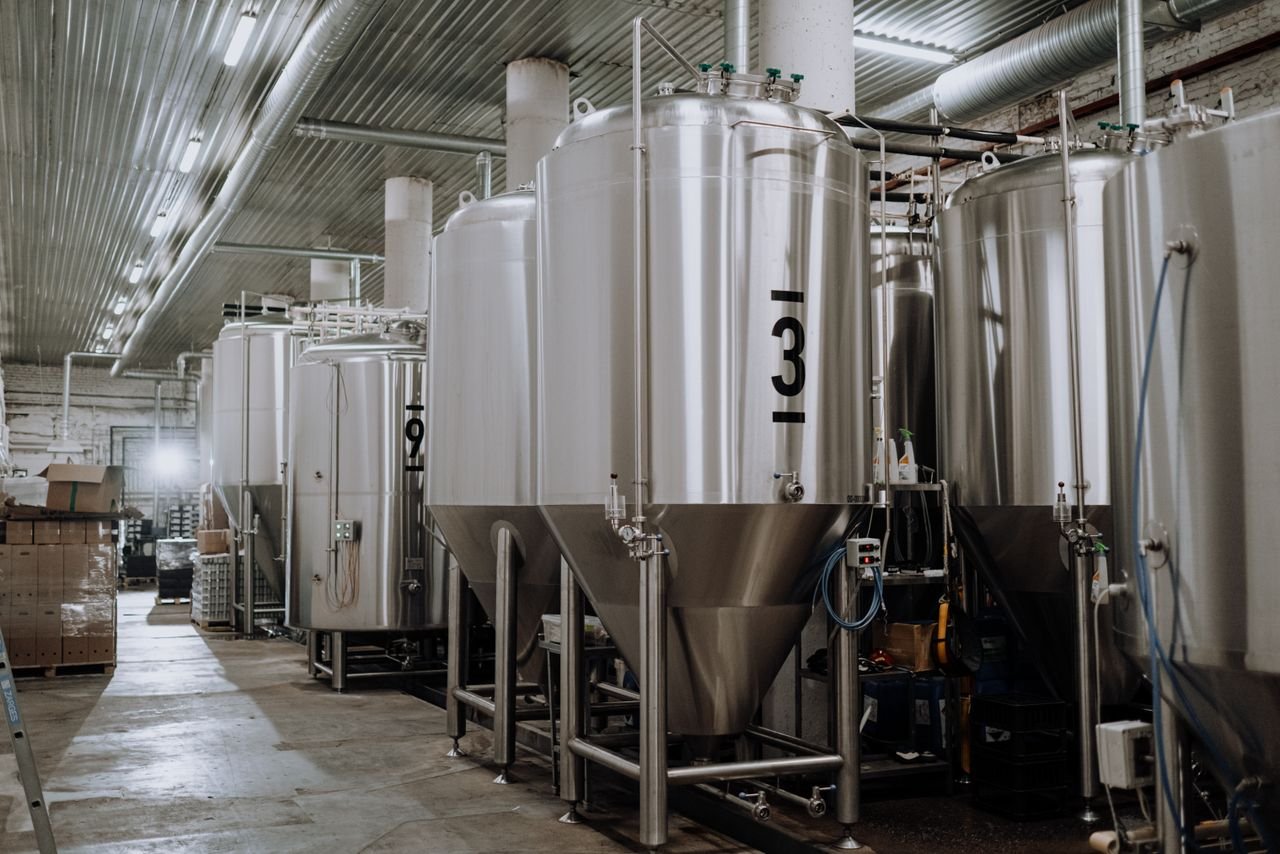
Ferment at 66–68°F (19–20°C). US-05 will start showing activity in 12–24 hours, and by day 2–3 you’ll have a thick, rocky krausen. Most of the primary fermentation completes in 3–5 days.
Avoid the temptation to ferment warm to speed things up. Fusel alcohols produced at higher temperatures (above 72°F / 22°C) don’t age out of IPAs the way they might in a darker, maltier beer — the hop character just doesn’t mask them.
At day 4–5, when the krausen has dropped and activity is slowing, add your dry hops directly to the fermenter. Add them at fermentation temperature (not cold) to maximize extraction of aroma compounds. A 3–5 day dry hop contact time is ideal; beyond 7 days you risk “hop creep” (continued fermentation from hop-bound enzymes) and a grassy, vegetable character.
For more on dry hopping technique and timing, see our dedicated guide on how to dry hop beer for maximum aroma.
Cold Crashing and Packaging
After dry hopping, cold crash at 34–38°F (1–3°C) for 24–48 hours. This drops the yeast and hop particulate out of suspension before packaging. IPAs don’t need to be crystal-clear — some hop haze is acceptable and attractive — but reducing excess yeast sediment improves flavor and pour.
Kegging (strongly recommended for IPAs): Purge the keg with CO₂ before filling to eliminate oxygen. Carbonate at 10–12 PSI at 38°F (3°C) for 7–10 days, or burst at 30 PSI for 24–36 hours. Target carbonation: 2.4–2.6 volumes CO₂.
Bottling: Prime at 2.5 volumes CO₂ — about 4 oz (113 g) of corn sugar per 5-gallon batch. Condition 2 weeks at room temperature, then refrigerate. Drink within 4–6 weeks for peak aroma.
CraftBeer.com notes that hoppy beers benefit enormously from oxygen-free packaging — it’s the single biggest thing you can do to preserve that fresh-hop nose.
Tasting Your IPA
Pour into a clean glass (a 16 oz shaker pint or a slightly narrower tulip glass), swirl gently, and bring it to your nose before your first sip. You should get waves of citrus, pine, and a hint of floral. The color should be golden to light amber, with a white to off-white head.
On the palate: assertive bitterness up front, citrus and pine flavor in the middle, a clean, dry finish with lingering bitterness. The malt is there — enough to balance — but it doesn’t compete.
Use BeerAdvocate or Untappd to check your result against commercial American IPAs in the same range — Sierra Nevada Torpedo, Dogfish Head 60-Minute, and Bell’s Two Hearted are classic style benchmarks.
Troubleshooting Your First IPA
Flat or low aroma: Hops added too early, or beer was too warm during dry hopping, or oxygen entered during packaging.
Too bitter, harsh: Fermentation ran too warm, producing fusels that amplify bitterness perception. Or IBUs were overshooted — check your hop alpha acid percentages.
Grassy or vegetal: Dry hops left in too long (beyond 7 days) or hops were added when beer was already cold-crashing.
Hazy and stays hazy: Not necessarily a flaw in an American IPA — but if cloudiness is unwanted, cold crash longer and consider adding gelatin finings.
Scaling Up: What to Try Next
Once you’ve nailed this base recipe, the IPA world opens up. You might:
- Increase dry hops to 3–4 oz and swap to Mosaic and El Dorado for a more tropical, hazy-leaning version
- Reduce crystal malt and add London Ale III yeast (Wyeast 1318) for a true New England-style hazy IPA
- Scale up the grain bill by 40% for a Double IPA at 8–9% ABV
- Try a single-hop version with Simcoe to understand exactly what that variety contributes
The Brewers Association publishes data each year on IPA’s dominance in the craft segment — it consistently represents 25–30% of craft beer volume. There’s a reason everyone brews it.
The Brew Professor Takeaway
An IPA rewards careful brewing: precise temperatures during fermentation, fast chilling, plenty of late and dry hops, and minimal oxygen exposure from cold crash to serving. Get those right and you’ll have a beer that competes with what your local craft brewery taps. It’s the style that keeps homebrewers refining their process — because there’s always another hop variety to try, another dry hop timing to experiment with, and another pint that tastes just a little better than the last.