The India Pale Ale has gone from a single style to an entire universe of sub-styles in the span of three decades. Today’s craft beer landscape offers more IPA variations than any other category — and they taste dramatically different from one another. If you’ve ever wondered why one IPA is clear and piney while another is murky and juicy, this guide will sort it all out.
A Brief History of the IPA
The IPA’s origin story is a bit more nuanced than the popular “hops preserved beer for the voyage to India” legend, but the style does trace its roots to 18th-century English pale ales heavily dosed with hops for export. By the time the Brewers Association began tracking craft beer categories in earnest, the American IPA had already diverged sharply from its British ancestor — leaning toward citrus and pine resin rather than earthy marmalade. Beer history on Wikipedia offers a solid deep-dive if you want the full archival account.
West Coast IPA
The West Coast IPA is the style that put American craft beer on the map. Born in California and the Pacific Northwest in the late 1980s and 1990s, it’s defined by:
- Bitterness: 50–80 IBUs, assertive and dry
- ABV: 6.0–7.5%
- Appearance: Brilliantly clear, deep golden to amber
- Flavor: Pine resin, grapefruit, dried citrus, and a clean, dry finish
- Malt: Restrained — just enough to support the hops
Classic West Coast examples from the BJCP Style Guidelines (21A) use American two-row malt as the base, with C-hops like Centennial, Cascade, and Chinook delivering that signature sharp bitterness. The finish should be bone-dry.
New England / Hazy IPA
The hazy IPA, also called the New England IPA (NEIPA), emerged from Vermont breweries around 2011–2014 and became the defining craft trend of the late 2010s. It flips almost every West Coast convention on its head:
- Bitterness: 40–60 IBUs perceived, but significantly softer due to hop compounds
- ABV: 6.0–7.5%
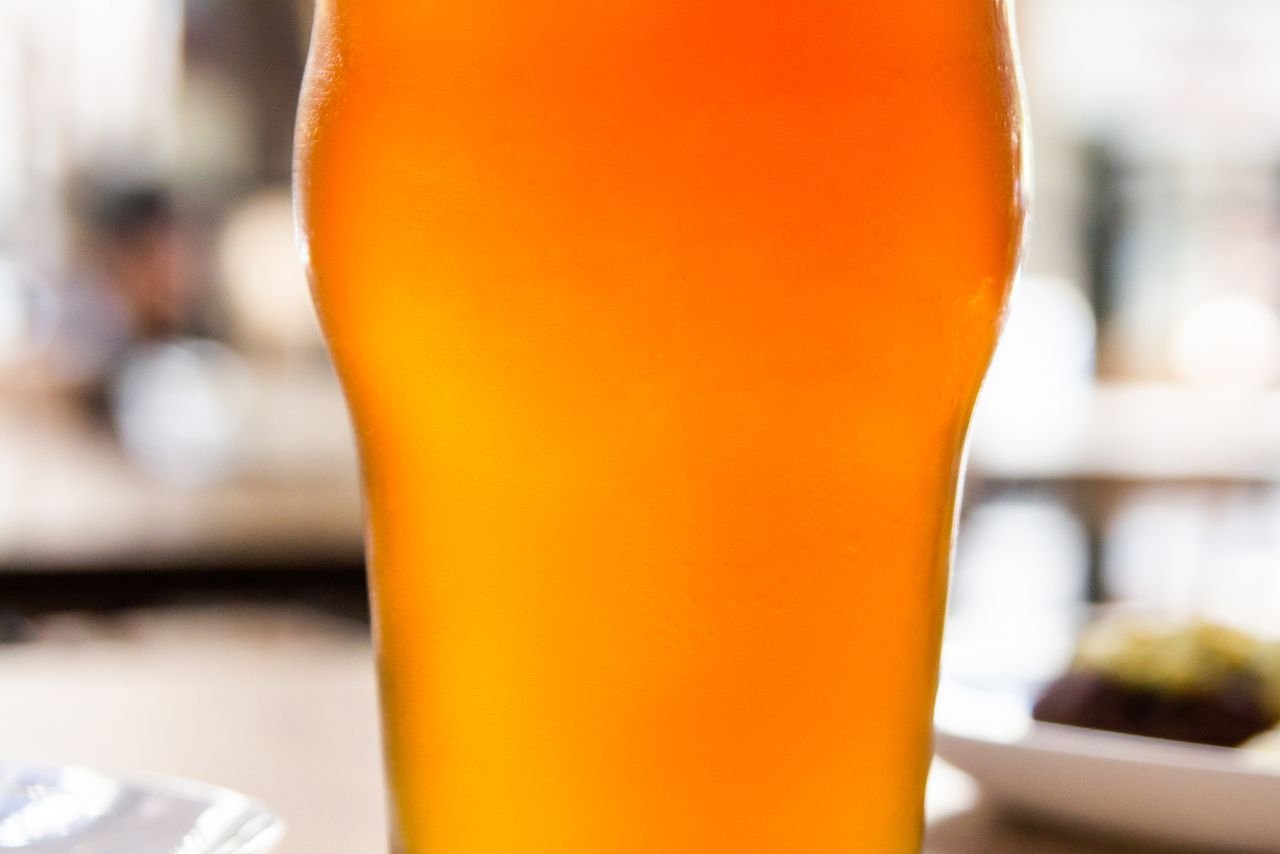
- Appearance: Opaque, golden to orange — intentionally hazy from dry-hop biotransformation and soft water chemistry
- Flavor: Juicy tropical fruit, ripe mango, stone fruit, low bitterness, creamy mouthfeel
- Malt: Oats and wheat additions create body and support haze
The haze comes from a combination of unfiltered dry hops, soft low-sulfate water, and flocculation-resistant yeast strains. CraftBeer.com’s NEIPA profile covers the science well. If you want to brew one yourself, check out how to dry hop beer for maximum aroma — dry hopping technique is everything in this style.
Double / Imperial IPA
When you want more of everything, you arrive at the Double IPA (DIPA), also called Imperial IPA. The BJCP categorizes this as Style 22A:
| Spec | Range |
|---|---|
| ABV | 7.5–10%+ |
| IBU | 60–100+ |
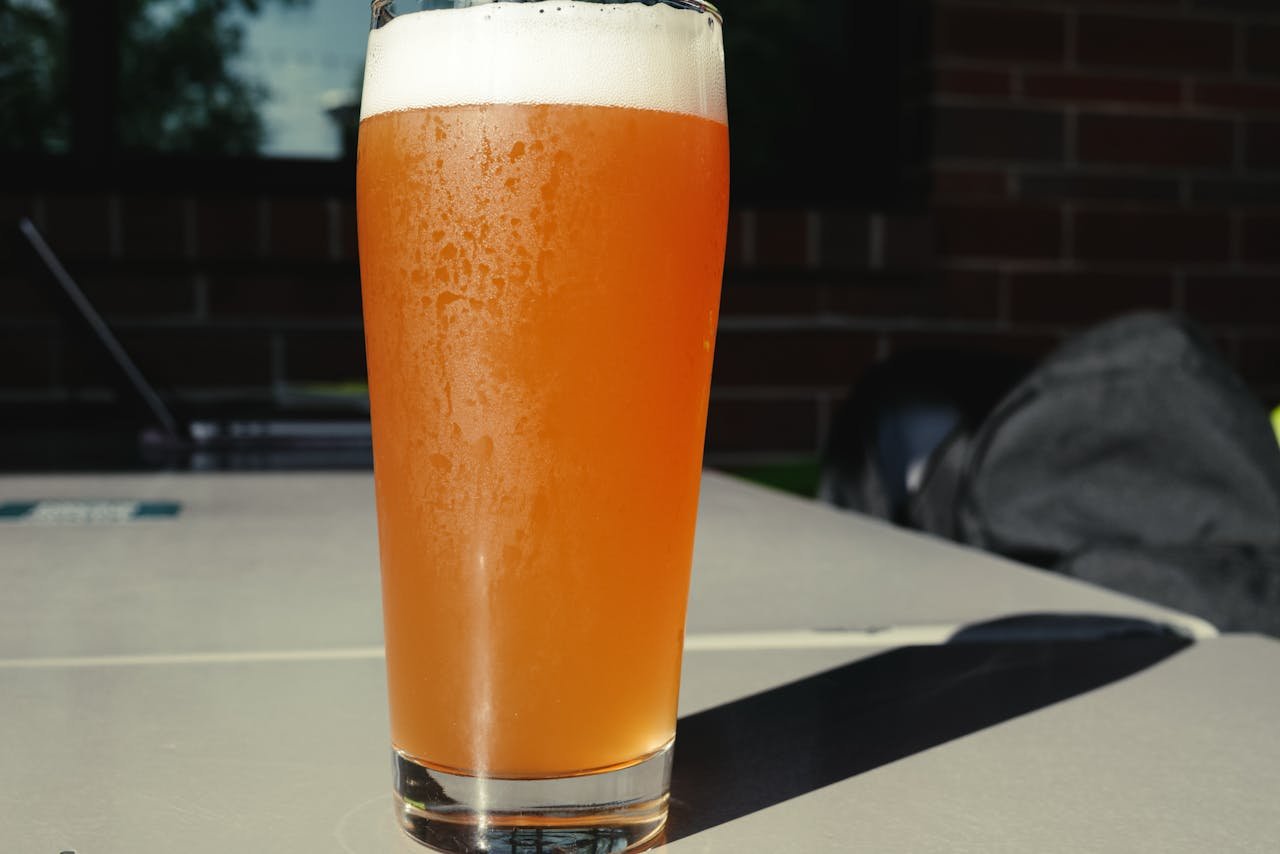
| Color | Golden to amber |
| Body | Medium-full |
DIPAs use a significantly larger malt bill to balance the massive hop charge — otherwise the bitterness would be unpleasant. The best examples still finish relatively dry despite the residual sugars. BeerAdvocate’s Double IPA rankings are a great resource for finding benchmark examples.
Session IPA
At the other end of the spectrum sits the session IPA — all the hop character, kept under 5% ABV. Brewing a session IPA is genuinely challenging: you want full aroma and flavor from the hops, but the low grain bill means less malt backbone to anchor everything.
- ABV: 3.0–5.0%
- IBU: 40–60
- Flavor: Citrus and tropical fruit forward, moderate bitterness
- Mouthfeel: Light to medium-light
The American Homebrewers Association has noted session IPAs as one of the most searched homebrewing styles in recent years — they’re crowd-pleasers at gatherings.
British / English IPA
The English IPA is the ancestral form — earthy, less bitter than its American cousins, with a more prominent malt character and marmalade-like English hop character from varieties like East Kent Goldings and Fuggles.
- ABV: 5.0–7.5%
- IBU: 40–60
- Appearance: Copper to amber, often clear
- Flavor: Toasty biscuit malt, orange marmalade, floral and earthy hops
CAMRA remains the authority on British ale traditions if you want to explore the style’s historical context.
Black IPA
The Black IPA (or “Cascadian Dark Ale”) is a fascinating paradox — roasted dark malts that contribute color without heavy roasty flavor, combined with an assertive American hop profile:
- ABV: 6.0–7.5%
- IBU: 50–70
- Appearance: Dark brown to black
- Flavor: Pine and citrus from hops, subtle roast, dry finish
Achieving the “black but not roasty” character relies on dehusked dark malts (like Carafa Special) that contribute color without the astringent bitterness of regular black malt.
Milkshake and Brut IPA
Two more recent experiments worth knowing:
Milkshake IPA adds lactose (unfermentable milk sugar) plus fruit purées to a NEIPA base, creating a thick, dessert-like beer. ABV typically 6–8%, very low perceived bitterness.
Brut IPA takes the opposite approach — amylase enzyme added during fermentation creates a bone-dry, champagne-like finish (0–4 IBU perceived). The style had a moment around 2018 but hasn’t sustained mainstream interest.
Choosing Your IPA
Not sure where to start? Here’s a rough guide by palate:
- New to IPAs: Start with a session IPA or a NEIPA — approachable, fruit-forward, low bitterness
- Like bitter and dry: West Coast IPA is your home
- Want intensity: Double IPA is the move
- Prefer classic: British IPA offers history and nuance
You can explore hundreds of rated examples on Untappd and filter by style to find highly rated examples near you.
The Brew Professor Takeaway
The IPA family is beer’s most diverse style category — and the differences aren’t just marketing. West Coast vs hazy vs double vs session are genuinely distinct experiences shaped by different water chemistry, hop timing, grain bills, and yeast strains. If you think you don’t like IPAs, it’s worth trying a few different sub-styles before making up your mind. And if you’re a homebrew nerd who wants to build one from scratch, our guide to making your first IPA at home walks through a full recipe and process.