The double IPA — also called imperial IPA, DIPA, or IIPA — is what happens when craft brewers decide a regular IPA isn’t quite enough of anything. More hops, more malt, more ABV, more complexity. Done right, a double IPA is one of the most compelling, intense, and memorable beers you’ll ever drink. Done wrong, it’s a sticky, boozy mess. Understanding the difference is worth your time if you spend any portion of your life near a craft beer tap.
From IPA to Double IPA: The Escalation
Standard West Coast IPAs run 6.0–7.5% ABV with 50–80 IBUs. That’s already a significant beer. The double IPA scales everything upward:
- ABV: 7.5–10.5% (occasionally higher)
- IBU: 65–120+
- Color: Pale golden to deep amber
- Malt character: More prominent than a standard IPA — needed to balance intense hop bitterness
- Body: Medium-full
The term “Imperial” in beer draws from the tradition of high-gravity “Imperial” stouts brewed for the Russian Imperial court in the 18th century — extra-strong beers designed to survive the journey from Britain to St. Petersburg. The same nomenclature was borrowed (loosely) by craft brewers in the 1990s to signal “extra strong” across other styles.
The DIPA’s modern origin is usually credited to Vinnie Cilurzo, then brewing at Blind Pig Brewing in Temecula, California, who brewed what is considered the first intentional double IPA in 1994. He later took the concept to Russian River, where Pliny the Elder became arguably the most celebrated American craft beer ever made. BeerAdvocate users have rated Pliny the Elder at the top of their rankings for over a decade.
What Makes a Double IPA Different from a Standard IPA?
The differences go beyond simply adding more hops and alcohol.
Malt backbone: A double IPA requires a much larger grain bill — typically 20–25% more malt than a standard IPA — to generate the fermentable sugars that produce 8–10% ABV. That extra malt introduces more sweetness, which must be carefully balanced against the elevated hop load. Too malt-heavy and you get something sticky and sweet; too lean and the bitterness becomes harsh without structure.
Hop load: DIPAs are typically brewed with 2–3x the hop additions of a standard IPA, both in the kettle (bittering) and dry-hop (aroma). The American Homebrewers Association notes that some commercial DIPAs use 1–2 pounds of hops per gallon — an extraordinary amount that would be economically prohibitive for most styles.
Fermentation management: Higher gravity wort demands healthy, well-pitched yeast. Underpitching at 8–10% ABV produces harsh fusel alcohols (a hot, solventy sensation) that mask hop character and make the beer unpleasant. Our guide to making a yeast starter covers why this matters.
Alcohol integration: The best DIPAs “hide” their alcohol — the hop character and malt sweetness mask the booze so effectively that you don’t feel 9% until you stand up. This is a feature of excellent DIPA brewing and also an occupational hazard.
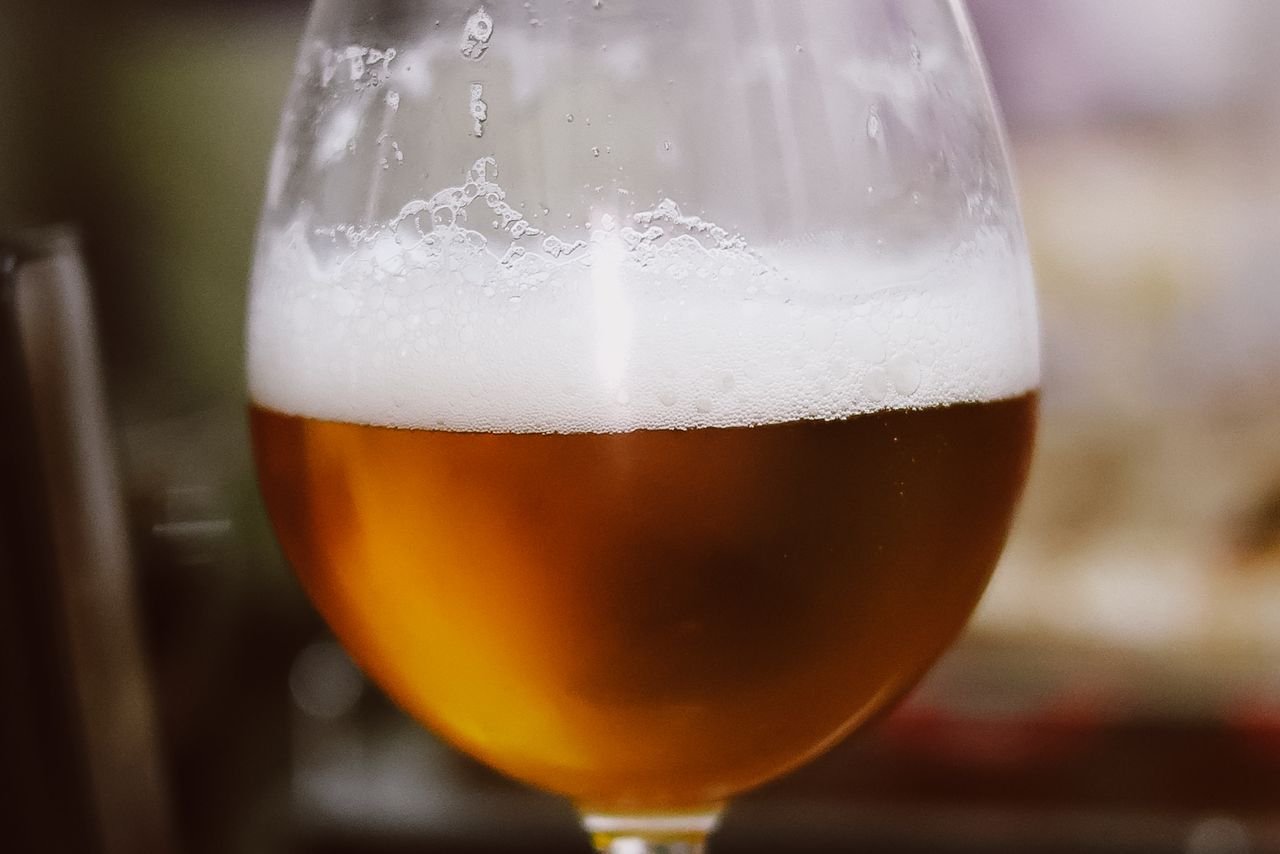
West Coast Double IPA vs Hazy Double IPA (Double NEIPA)
The DIPA category has bifurcated in the same way regular IPAs have, and the distinction matters for flavor expectations:
| Feature | West Coast DIPA | Hazy Double IPA (Double NEIPA) |
|---|---|---|
| Appearance | Clear to slightly hazy | Hazy to opaque |
| Bitterness | High and prominent (65–100 IBU) | Low-medium (50–70 IBU perceived) |
| Mouthfeel | Dry, crisp | Full, soft, juicy |
| Hop character | Pine, resin, citrus, dank | Tropical, stone fruit, citrus, juice |
| Alcohol feel | Clean, integrated | Hidden, soft warmth |
| ABV | 8.0–10.5% | 8.0–10.0% |
West Coast DIPAs in the Pliny the Elder tradition lean on pine, grapefruit, and resin with a razor-clean, bone-dry finish. Hazy doubles lean into tropical fruit juice character — the combination of high ABV and pillowy softness creates something almost dessert-adjacent.
The BJCP style guidelines now formally recognize both Imperial IPA and New England IPA (including double versions) as distinct categories, a recognition of how definitively these branches have diverged.
Key Hop Varieties in Double IPAs
The choice of hop varieties is everything in a DIPA. Common choices:
West Coast DIPAs:
- Simcoe: pine, earthy, grapefruit
- Centennial: floral, citrus, slightly piney
- Columbus / Tomahawk / Zeus (CTZ): dank, earthy, pungent
- Chinook: pine, spice, grapefruit
Hazy Double IPAs:
- Citra: lime, grapefruit, tropical fruit
- Mosaic: blueberry, tropical, earthy
- El Dorado: pear, watermelon, tropical
- Strata: passion fruit, cannabis, citrus
For a deeper dive into hop science — alpha acids, dry hopping technique, and aromatic compounds — CraftBeer.com and John Palmer’s How to Brew are both excellent resources.
Serving and Drinking Double IPAs
A few practical considerations that significantly affect your experience:
Freshness is critical. DIPAs are more fragile than their high-ABV might suggest. The aromatic hop compounds that make them special — monoterpenes, thiols, and esters — oxidize quickly. A 3-month-old DIPA, even stored cold, can taste flat, boozy, and cardboardy compared to a fresh-canned version. Check packaging dates; drink within 60 days of canning for West Coast DIPAs, 30–45 days for hazies.
Serve cool, not cold. 45–50°F (7–10°C) is optimal. Too cold and the hop aromatics don’t volatilize properly; too warm and the alcohol becomes aggressive.
Use a wide-mouthed tulip or snifter. The concentration of aroma in a double IPA rewards a glass shape that captures and directs it. Avoid shaker pints, which dissipate aroma. Our beer glassware guide explains the reasoning.
Pace yourself. 9% ABV that tastes like 6% has caught more than a few experienced craft drinkers off-guard. A 12 oz (355ml) pour rather than a full pint is a sensible choice.
Food Pairings for Double IPAs
The intensity of a DIPA calls for equally assertive food:
- Strong aged cheeses: Aged cheddar, manchego, and Gruyère stand up to the bitterness
- Spicy and bold cuisine: Vindaloo, Nashville hot chicken, smoked brisket
- Rich fatty dishes: The bitterness cuts through fat beautifully
- Surprisingly, vanilla ice cream: The hop-cream combination sounds absurd and tastes excellent
Avoid pairing DIPAs with delicate dishes — the bitterness will overwhelm them. Save those occasions for something more measured, like a saison or a pale ale.
Notable Commercial Examples
A few reference points across the style:
- Pliny the Elder (Russian River Brewing): The West Coast benchmark — pine, citrus, dry, impeccably balanced
- Heady Topper (The Alchemist): The hazy DIPA that started a revolution; tropical, soft, relentlessly aromatic
- Dogfish Head 90 Minute IPA: Continuously hopped for 90 minutes; caramel malt and earthy hop complexity
- Stone Ruination DIPA: Aggressively bitter West Coast, very dry finish
Track what’s available locally via Untappd, which has a dedicated Double IPA category. The Great American Beer Festival competition results are also worth reviewing for award-winning examples across both West Coast and hazy sub-categories.
The Brew Professor Takeaway
The double IPA is craft beer’s most dramatic expression of the IPA family — bigger, bolder, and unambiguously intense. At its best, it achieves what seems contradictory: a beer that is simultaneously overwhelming in hop character and balanced enough to drink through a full glass without fatigue. That balance is what separates the great DIPAs from the merely loud ones. Whether you prefer the pine-and-grapefruit intensity of a classic West Coast double or the tropical-juice softness of a hazy double, you’re drinking one of craft beer’s most ambitious styles. Treat it with the attention — and the pacing — it deserves.