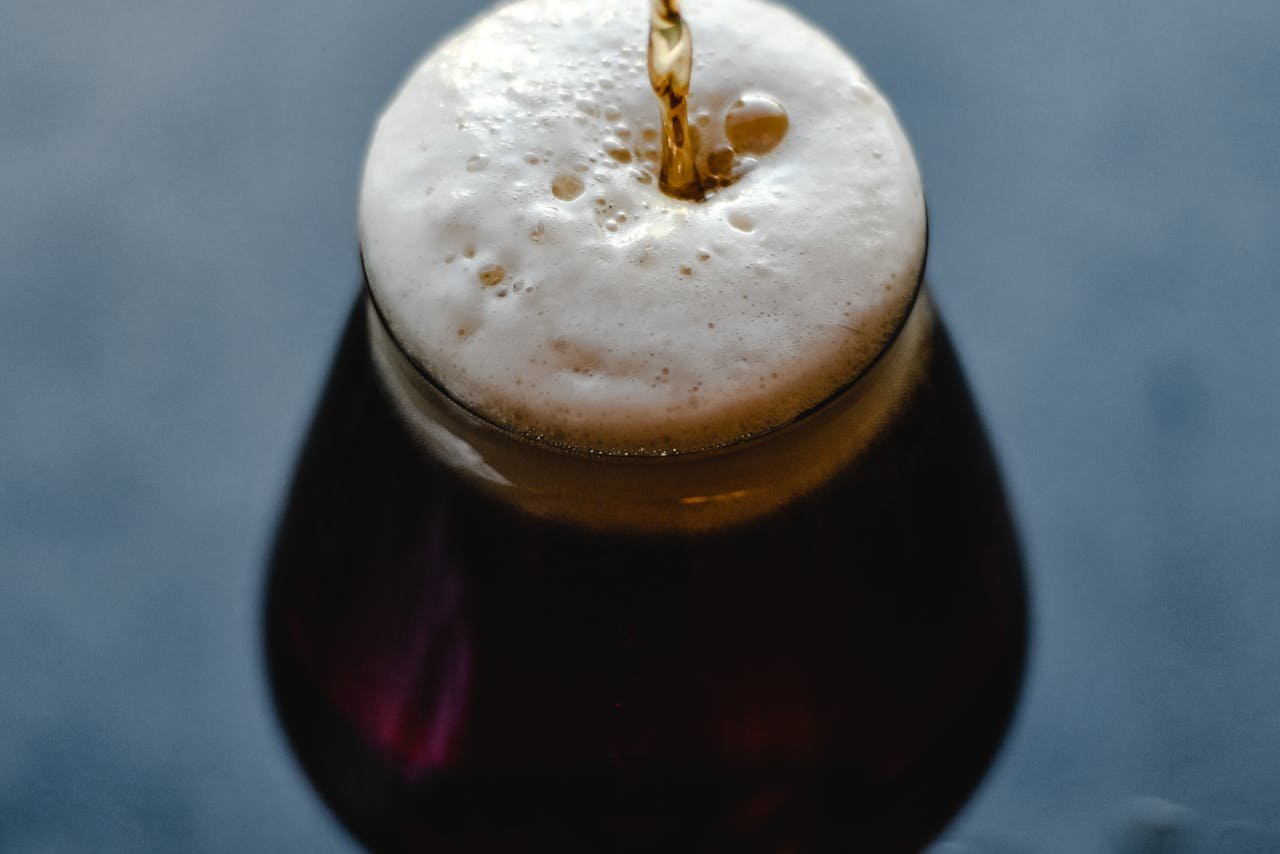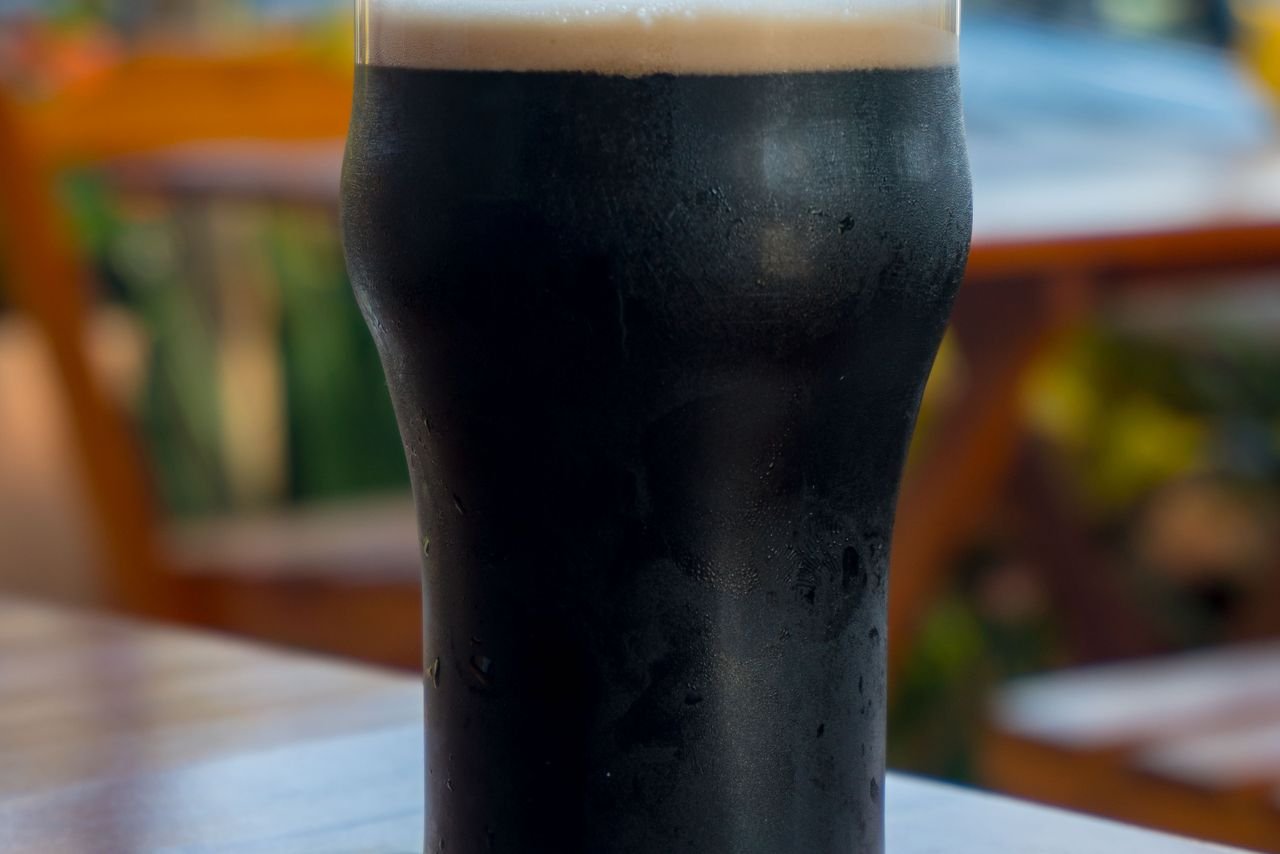
Session beers occupy a philosophical space that’s harder to define than it sounds. The concept is simple enough: a beer you can drink several of over the course of a long social occasion without losing your evening. But in practice, brewing a genuinely flavorful session beer is one of the hardest challenges in the craft — removing alcohol without stripping away everything that makes beer worth drinking is a genuine technical feat. The best session beers prove that constraint is the mother of creativity.
What Does “Session” Actually Mean?
The term “session” is believed to derive from British pub culture, where workers were historically permitted two licensed drinking sessions per day during World War I under the Defence of the Realm Act. Session beers were those low enough in alcohol to drink multiple pints during a single session without becoming incapacitated.
The most commonly accepted threshold is 4.5% ABV or below, though some American craft brewers extend this to 5.0%. CAMRA — the UK’s Campaign for Real Ale — has traditionally defined “ordinary bitter” at 3.0–3.7% ABV as the quintessential session beer, and the British pub tradition of sub-4% ales for everyday drinking is entirely unlike American conventions.
The BJCP style guidelines don’t classify “session beer” as a category per se, but most recognized low-ABV styles sit within the threshold: English ordinary bitter, Berliner weisse, American light lager, Kölsch, and standard mild all qualify.
Why Low ABV Is Technically Challenging
Alcohol contributes to beer in ways drinkers often don’t realize until it’s removed:
- Body and mouthfeel: Ethanol adds viscosity. A 7% beer feels fuller in the mouth than a 3.5% version of the same recipe.
- Perceived sweetness and balance: Alcohol enhances sweetness perception and provides warmth that balances bitterness and roast.
- Aroma carry: Volatile aromatic compounds hitch a ride with alcohol during fermentation. Reduce the ABV and you reduce the vehicle for aroma.
- Shelf life: Higher alcohol acts as a preservative. Session beers are generally more perishable.
Brewers compensate through a range of techniques: adjusting water chemistry to boost malt softness, using protein-rich adjuncts like wheat and oats to build body, selecting hop varieties with high aromatic impact at low bittering rates, and selecting yeast strains that produce more flavor-active fermentation byproducts.
Major Session Beer Styles
English Bitter / Ordinary Bitter (3.0–3.7% ABV) The canonical session beer. Earth-toned, slightly fruity from English ale yeast, with earthy Fuggle and East Kent Goldings hops. Traditionally served on cask at cellar temperature (50–55°F / 10–13°C). This is the daily pint for millions of British pub-goers, and CAMRA has championed its survival against the encroachment of keg lager.
Session IPA (3.2–5.0% ABV) The American craft answer to the session question. Session IPAs keep the citrus, tropical, and piney hop aroma of a standard IPA while dramatically reducing alcohol. The best examples — Stone Go To IPA, Founders All Day IPA, Firestone Easy Jack — achieve genuine IPA character at sub-5% through late hop additions and dry hopping. The Brewers Association has tracked session IPA as one of the fastest-growing sub-styles in craft beer.
Berliner Weisse (2.8–3.4% ABV) Genuinely one of the lowest-ABV recognized beer styles. A German wheat beer acidified by Lactobacillus bacteria for tart, refreshing, lemony character. Traditional versions are served with raspberry (Himbeersirup) or woodruff (Waldmeistersirup) syrup. Extremely thirst-quenching and food-friendly.
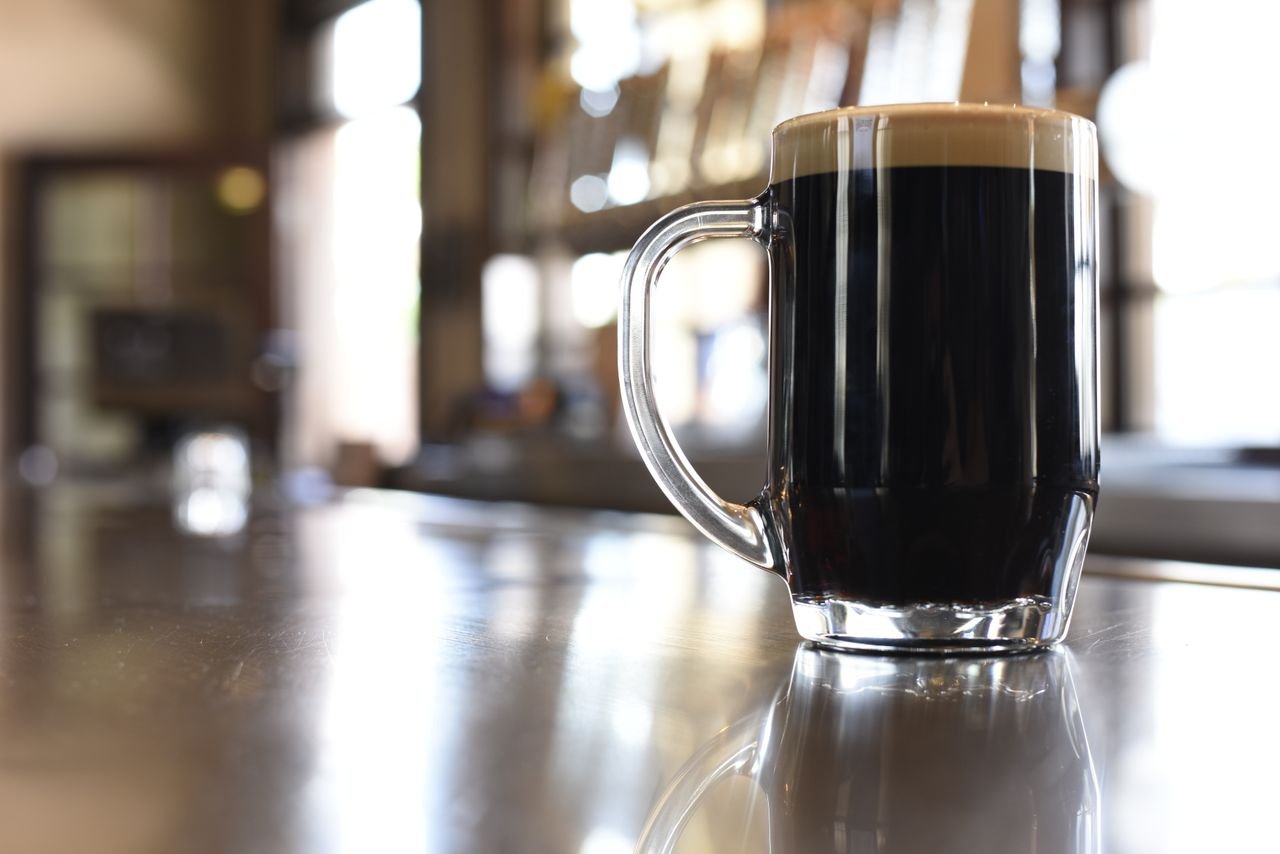
Mild Ale (3.0–3.8% ABV) A British style that fell out of fashion in the 20th century and is now seeing a craft revival. Dark mild runs chocolate and roast notes at very low ABV — it’s essentially a session stout. Pale mild is rarer but offers a biscuity, understated alternative to bitter.
Kölsch (4.4–5.2% ABV) Germany’s Cologne-born hybrid — technically at the upper edge of session range — is a masterclass in restrained complexity. Delicately fruity, pale golden, served in small 200ml glasses (Stangen) for guaranteed freshness. Protected by a regional appellation: only beers brewed in Cologne can legally be called Kölsch. Everything else is “Kölsch-style.”
Table Beer (Under 3.5% ABV) The Belgian tradition of low-alcohol table beer (Tafelbier) was historically brewed for daily family consumption — including for children at meals. Modern craft table beers have reclaimed the concept as a sophisticated, sessionable product: lightly hopped, clean, subtly complex.
Session Stouts and Dark Session Beers
One of the most exciting applications of the session principle is the dark end of the spectrum. A 3.5% session stout that delivers genuine coffee and chocolate character — without the 10% ABV anchor of an imperial stout — requires significant recipe engineering but is genuinely achievable.
The key is using roasted barley and chocolate malt efficiently: these ingredients contribute color and flavor without adding fermentable sugars, so you get the dark-beer character with minimal contribution to alcohol. A small amount of oats (3–5% of the grain bill) rebuilds some of the body lost from lower original gravity.
Dry-hopping a session dark ale adds complexity and freshness that compensates for the reduced spirit-derived warmth.
Session Beers and Food Pairing
Session beers are arguably the best food companions in the craft beer world. Their lower alcohol means they don’t overwhelm delicate dishes, their carbonation cuts through fat, and their moderate intensity doesn’t compete with carefully seasoned food.
- Ordinary bitter + fish and chips: the canonical match
- Session IPA + grilled chicken tacos or spicy Thai
- Berliner Weisse + shellfish, ceviche, or light salads
- Table beer + mild cheese, charcuterie, and bread
- Dark mild + roast vegetables, mushroom dishes, mild cheddar
The beer and food pairing guide on Brew Professor covers the principles behind these matches in much more detail.
Tracking Down Great Session Beers
Session beers are often less conspicuously marketed than limited barrel releases or high-ABV showstoppers, but they’re reliably on tap at well-curated craft bars. Untappd allows you to filter by ABV range to find sub-5% options. BeerAdvocate has dedicated style pages for English bitter, Kölsch, and Berliner Weisse with highly-rated examples worldwide.
The American Homebrewers Association publishes homebrew recipes in session categories — and home-brewing a session beer is a particularly rewarding exercise because the constraints force you to understand your ingredients at a granular level.
The Brew Professor Takeaway
A session beer is an argument about what beer is really for. It’s not about how much of a statement a single pint makes — it’s about how well a beer serves a long afternoon with good company. The best session beers are technically impressive precisely because they hide that effort: they taste like they were effortless to make, while actually requiring a brewer to work harder to achieve the same complexity at half the alcohol. When you pick up a well-made session IPA or an excellent English ordinary bitter, you’re drinking the result of genuine craft discipline. That deserves at least two pints.