The brew kettle is where almost everything interesting in brewing happens: the boil sanitizes your wort, isomerizes hop alpha acids into bitterness, drives off DMS, and concentrates your sugars. Choosing the right kettle is one of the most consequential equipment decisions you’ll make — and it’s one you’ll live with for a long time. Here’s how to get it right.
Start with the Right Size
Kettle size is where most new brewers miscalculate, usually by going too small. Here’s why sizing up matters:
You need headroom for the boil. Wort foams vigorously at the start of the boil — especially with extract additions — and a full kettle will boil over. The rule of thumb is to keep your wort volume below 70–75% of your kettle’s capacity during the boil.
You lose volume to evaporation. A typical 60-minute boil evaporates roughly 1–1.5 gallons per hour in a home setup. If you want 5 gallons in the fermenter, you start with about 6–6.5 gallons pre-boil.
All-grain needs even more. Full-volume BIAB (brew in a bag) for a 5-gallon batch may need 7–8 gallons of strike water plus headroom. A 10-gallon kettle is the practical minimum for all-grain.
| Target Batch Size | Minimum Kettle Size | Recommended |
|---|---|---|
| 1 gallon | 2 gallons | 2.5 gallons |
| 2.5 gallons | 4 gallons | 5 gallons |
| 5 gallons (extract) | 7.5 gallons | 10 gallons |
| 5 gallons (all-grain) | 10 gallons | 10–15 gallons |
| 10 gallons | 15 gallons | 20 gallons |
The American Homebrewers Association consistently recommends budgeting for at least a 10-gallon kettle for anyone who foresees moving to all-grain, even if you’re starting with extract.
Stainless Steel vs Aluminum
Stainless steel is the default choice for a reason. It’s durable, non-reactive, easy to clean, doesn’t need seasoning, and will last decades with basic care. Food-grade stainless (304 or 316 grade) won’t leach anything into your beer under normal brewing conditions. The main downsides are cost and thermal conductivity — stainless heats unevenly on some burners if the bottom is thin.
Look for stainless kettles with a tri-clad or clad bottom — a layer of aluminum or copper sandwiched between stainless — which dramatically improves heat distribution and reduces scorching. This is especially important for electric brewing.
Aluminum is lighter and conducts heat better than stainless, which is why it was popular in earlier homebrew setups. It’s cheaper, but it reacts with very alkaline cleaning products (avoid caustic soda), it can pit over time, and some brewers dislike its appearance after extended use. It won’t harm your beer — commercial breweries used aluminum for decades — but stainless is the better long-term investment. The Brewers Association publishes equipment standards for small and craft breweries that illuminate why stainless became the universal commercial choice.
Enamelware/enamel-on-steel kettles look attractive but chip over time, and chipped enamel can rust and contaminate your batch. Skip these for brewing.
Features Worth Paying For
Not all features on a brew kettle are equally useful. Here’s an honest assessment:
Ball valve spigot: Easily the most useful feature addition. A welded ball valve lets you drain wort by gravity without siphoning — cleaner, faster, and safer than lifting a full kettle. Look for a stainless ball valve with a weldless fitting (easy DIY install) or a welded port. The valve opening should be 1/2” or larger for reasonable flow.
Volume markings: Etched or laser-marked volume markings inside the kettle save you from using a separate measuring stick. Make sure they’re on the inside, not a sticker on the outside that’ll peel off in the second boil.
Thermometer port (thermowell): A built-in port for a probe thermometer is a nice upgrade — you can monitor mash or wort temperature at a glance without lifting the lid. Some kettles include a weldless thermowell kit.
Lid: Always get a lid. It speeds up getting to boil temperature, protects the wort from debris, and holds heat during a whirlpool rest. A lid with a steam vent is convenient; you can crack it slightly without removing it entirely.
Handles: Look for double riveted or welded handles rated for the weight of a full kettle. A 10-gallon kettle full of wort weighs about 85 lb — you need handles that won’t fail. The BJCP judging program requires participants to understand how equipment affects process, which is a useful frame for thinking about which kettle features actually matter for beer quality.
Electric vs Propane Brewing and Kettle Choice
If you’re brewing on an electric burner — either an induction cooktop or a dedicated electric brewing system — kettle compatibility matters. Standard induction cooktops require a magnetic-bottom kettle. Most stainless steel kettles are induction-compatible, but verify before buying; some use non-magnetic stainless alloys.
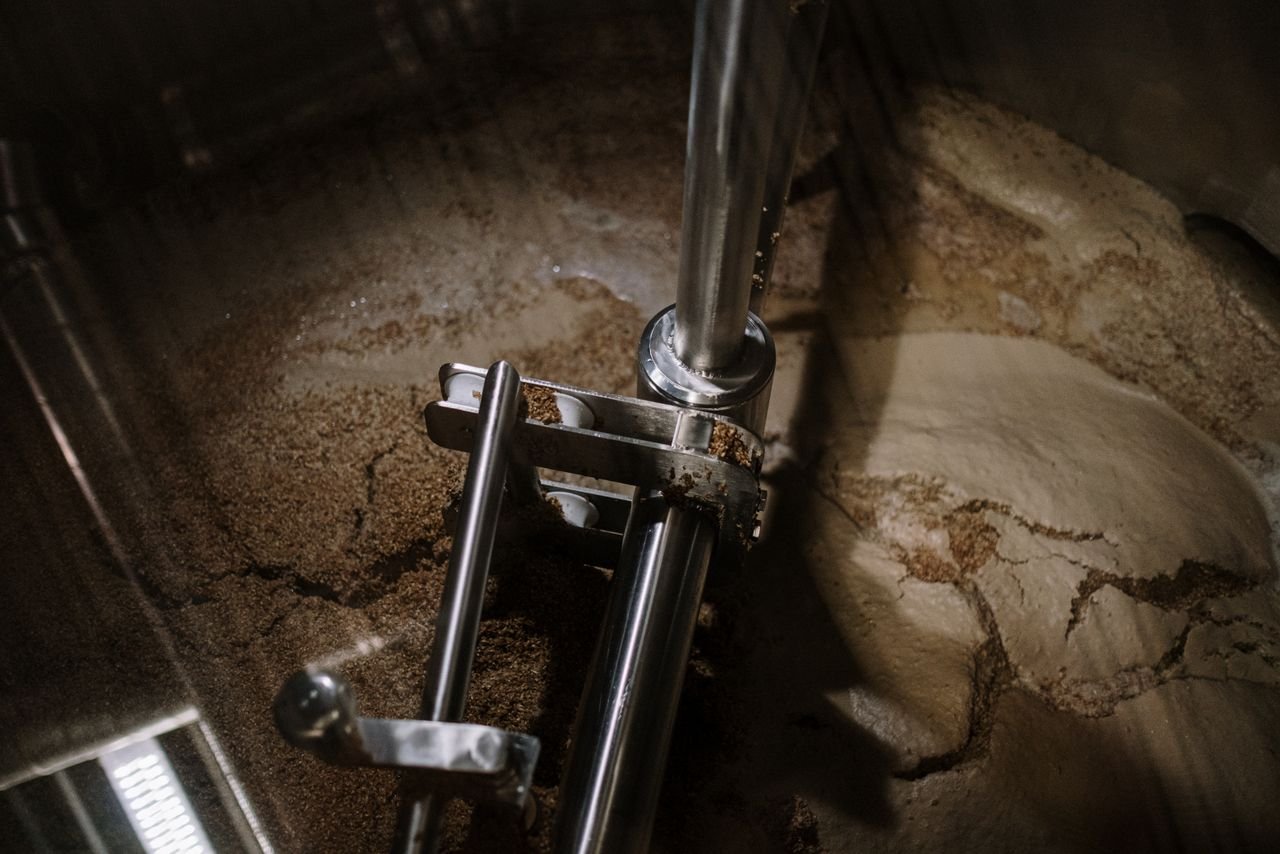
Dedicated electric brewing kettles (like Brewzilla, Grainfather, or similar all-in-one systems) include an integrated element and controller and are their own category — part kettle, part mash tun, part brewing computer. These are a fantastic option if you brew indoors, want precise temperature control, or prefer a compact footprint. CraftBeer.com has noted the explosive growth of electric all-in-one systems as the biggest shift in homebrew equipment in recent years.
Propane brewing puts no constraints on kettle material but demands a thick, clad bottom for even heat distribution. A cheap thin-bottomed kettle on a high-BTU outdoor burner will scorch your malt extract.
Cleaning and Maintenance
After every brew, rinse the kettle with hot water immediately — sugary wort hardens fast. For general cleaning, a soak with PBW (Powdered Brewery Wash) or Oxiclean Free removes protein and hop debris without scratching. John Palmer’s How to Brew strongly advises against abrasive scouring pads, which create micro-scratches that harbor bacteria — use a soft cloth or non-scratch sponge instead.
For stubborn mineral deposits (common in hard-water areas), a dilute solution of white vinegar removes scale without damaging stainless. See Water Chemistry for Brewing (Without the Headache) for more on how your local water affects your kettle, your mash, and your beer.
Budget Guide
Budget kettles ($40–70): Thin-walled stainless or aluminum, often no ball valve or markings. Adequate for extract beginners; expect to upgrade. Check BeerAdvocate forums for community discussions on specific kettle brands — experienced homebrewers post detailed long-term reviews that you won’t find on retail pages.
Mid-range ($80–150): Quality stainless, etched markings, ball valve included. This is where most homebrewers land and stay. Brands like Bayou Classic, Spike, and Blichmann all have strong offerings in this range.
Premium ($150–300+): Thick clad construction, polished welds, integrated thermometer port, precision markings. Blichmann BrewMaster and Spike Brewing are standouts. If you brew frequently and care about your workspace, the investment is worthwhile.
The Siebel Institute trains professional brewers to understand that equipment quality directly affects process repeatability — a principle that applies at homebrew scale too. A better kettle means more consistent boil-off rates, cleaner welds, and a tool you’ll trust.
The Brew Professor Takeaway
Buy bigger than you think you need, prioritize a ball valve, get etched volume markings, and choose stainless with a clad bottom if budget allows. A 10-gallon stainless kettle with a ball valve will take you from your first extract batch all the way through years of all-grain brewing — and it will still be brewing beer long after you’ve upgraded every other piece of equipment in your brewery.