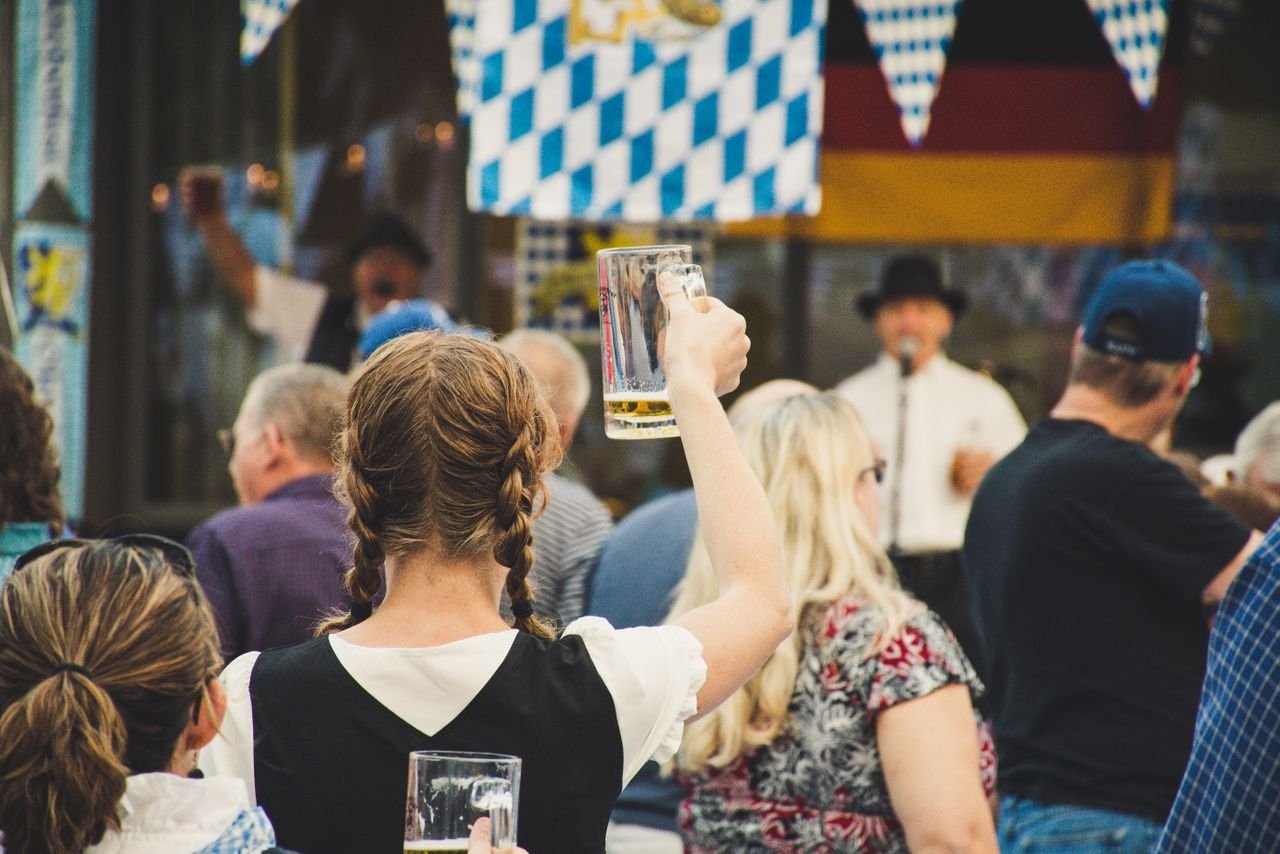
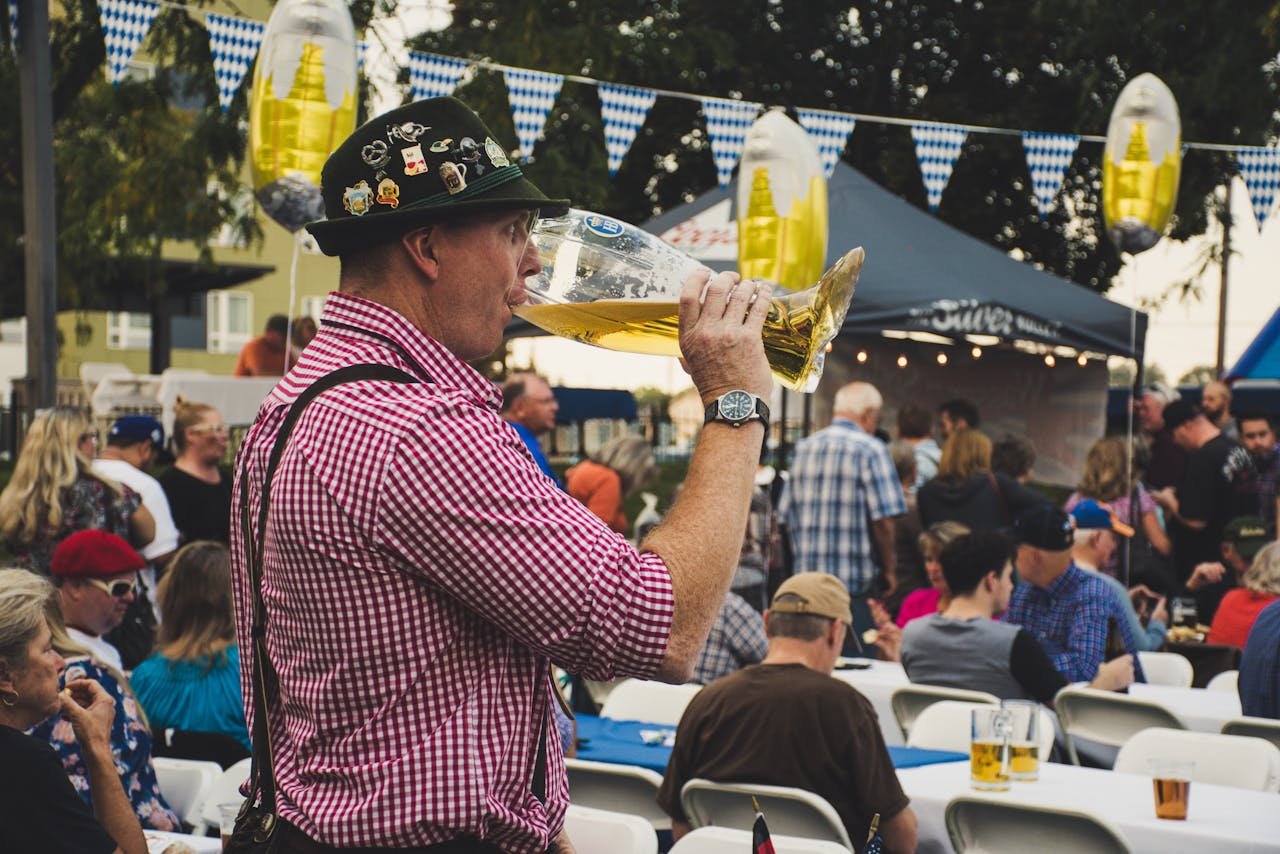
The Great American Beer Festival is many things at once: the largest craft beer event in the United States, the most prestigious brewing competition in the country, and three days of concentrated joy in the Colorado Convention Center. Since 1982, GABF has been the annual gathering point where small-town brewpubs rub shoulders with nationally distributed craft brands, and where a bronze medal can change a brewery’s trajectory overnight. If you’re serious about American craft beer, this is your Super Bowl.
What GABF Actually Is
Run by the Brewers Association, GABF has two parallel tracks happening simultaneously: a ticketed public festival and a closed professional judging competition. As a visitor, you’re on the tasting floor — pouring through hundreds of booths, collecting samples in a four-ounce tasting glass, and making your way through a lineup of beers you’ve never encountered before. Meanwhile, behind the scenes, panels of certified judges are tasting blind across more than 100 style categories, awarding gold, silver, and bronze medals that breweries then plaster across their cans and tap handles for the next year.
The competition is organized according to the Brewers Association style guidelines, which recognize an enormous breadth of American brewing tradition. A pilsner brewed in rural Nebraska competes against another pilsner from California — not against IPAs or stouts. The system is rigorous and the medals mean something.
Sessions: How the Festival is Structured
GABF runs across multiple ticketed sessions spread over three days (dates for 2026 to be confirmed — tickets typically go on sale in summer). Sessions include:
- Thursday evening — General public session
- Friday afternoon — Members-only session (Brewers Association members and beer enthusiasts club)
- Friday evening — General public session
- Saturday afternoon — General public session
- Saturday evening — General public session
The Friday afternoon members-only session is worth seeking out if you qualify — it’s less crowded, more relaxed, and often where serious beer geeks spend the most time. General sessions can get loud and busy later in the evening, so afternoon sessions offer better tasting conditions.
Tickets sell out fast. Set a calendar reminder as soon as GABF announces the on-sale date. Sessions are not interchangeable — your ticket is tied to a specific session.
Getting the Most from the Tasting Floor
GABF hosts hundreds of breweries across an enormous convention floor, and the single biggest mistake first-timers make is wandering without a plan. Here’s how to approach it:
Before you go:
- Download the official GABF app, which maps the floor by brewery location and lets you build a wish list.
- Research which breweries you most want to visit — lines at popular booths can stretch long.
- Read through CraftBeer.com’s GABF previews for style spotlights and can’t-miss recommendations.
On the floor:
- Start with the smaller, regional breweries you’ve never heard of. The gems are often not in the long lines.
- Pace yourself with water between pours. Four-ounce samples add up faster than you expect.
- Use Untappd to check in beers as you go — it’s far more reliable than scribbled notes.
- Eat before you arrive. Food is available but limited.
Style strategy: Consider organizing your session by style rather than brewery. Visit all the lager booths in one pass, then shift to IPAs, then dark beers. It makes tasting comparisons more meaningful and helps you calibrate your palate.
The Competition: What the Medals Mean
The GABF competition is judged blind by panels of experts — professional brewers, sensory scientists, and certified tasters. Each panel evaluates beers within a single style category, scoring for aroma, appearance, flavor, mouthfeel, and overall impression according to the style’s defined parameters.
Key facts about the competition:
- Over 100 style categories, from traditional American lager to wood- and barrel-aged strong beer
- Medals announced at a separate awards ceremony (not open to the public)
- Results published immediately on the GABF website after the ceremony
- A brewery can only win one medal per category per year
Winning a GABF medal in a competitive category — West Coast IPA, for example, or American stout — is the rough equivalent of a Michelin star in brewing circles. It’s a meaningful signal of quality.
Denver: Beyond the Convention Center
GABF week transforms Denver into a city-wide beer event. The surrounding LoDo neighborhood fills with brewery pop-ups, tap takeovers, and special release parties. Many of Denver’s excellent local breweries — there are dozens — run GABF week events that are ticketed separately or even free.
| Quick Denver Tips |
|---|
| Stay in LoDo or RiNo neighborhood for easy walking access |
| Denver’s 16th Street Mall shuttle is free |
| Altitude (5,280 feet) affects alcohol absorption — stay hydrated |
| Book accommodation 3–4 months out to get reasonable rates |
The American Homebrewers Association also hosts a homebrew competition during GABF week — worth checking if you’re a homebrewer interested in getting feedback on your own beers.
The History Behind the Festival
GABF launched in 1982 with 22 breweries and 800 attendees — a modest gathering in the earliest days of the American craft brewing movement. It has grown in lockstep with the industry it celebrates. Today, the Brewers Association counts over 9,000 craft breweries in the United States, and GABF represents a genuine cross-section of that community.
The competition has evolved alongside the styles it judges. Early GABF categories largely mirrored German and British traditions. Today the style list reflects American brewing’s extraordinary breadth, from Mexican-style lagers to hazy New England IPAs, from pastry stouts to session sours. The BJCP style guidelines provide useful context for what judges are evaluating in each category — a good pre-festival read if you want to understand why particular beers win.
Who Should Go
GABF is ideal for:
- Beer geeks who want maximum variety and discovery in minimal time
- Homebrewers who want to taste professional benchmark examples of every style
- Industry folks networking with brewers and distributors
- Denver visitors looking for the definitive Colorado craft beer experience
If you’re newer to craft beer, BeerAdvocate’s style guides are a great warm-up read before the festival floor overwhelms you with choices. For a primer on the styles you’ll encounter most often — IPAs, lagers, stouts, sours — CraftBeer.com’s style gallery is equally useful.
Practical GABF Planning Checklist
Before you commit to the trip:
- Check the Brewers Association website for session dates (announced spring/summer)
- Set a ticket purchase reminder for the day sales open
- Book Denver accommodation at least 3–4 months ahead
- Plan your airport transfer — DIA to downtown Denver is easy via the A-line train
- Download the GABF app and build a brewery wish list
- Eat a full meal before your session
- Wear comfortable shoes — the convention floor is enormous
The Brew Professor Takeaway
The Great American Beer Festival is a pilgrimage worth making at least once. It compresses the breadth of American craft brewing — its creativity, its regional character, its competitive edge — into a single weekend. Buy your tickets early, build a tasting plan, respect the altitude, and drink water. You’ll come home with a mental map of American brewing that no number of six-packs can provide. For the full festival landscape, explore the festivals hub.