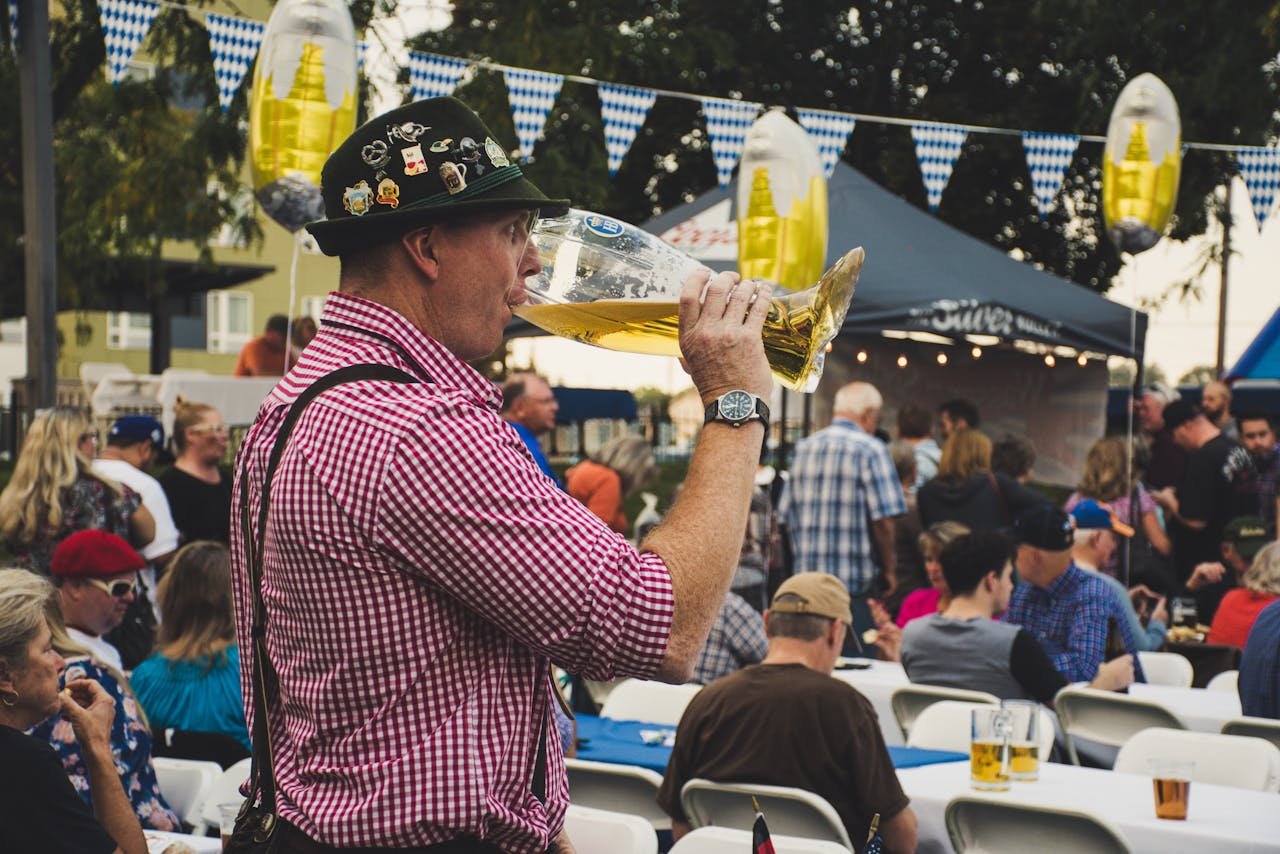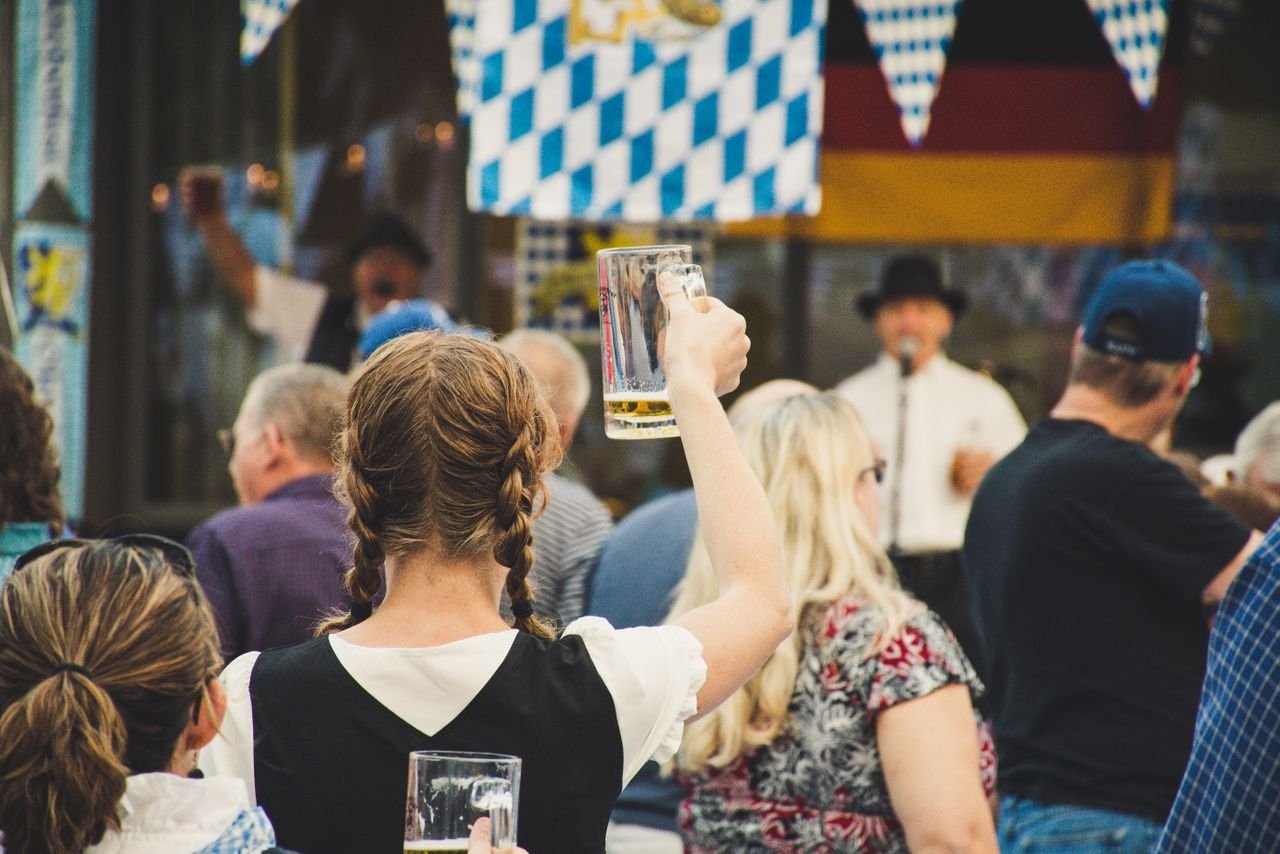
Fall is the Super Bowl of beer season. Breweries competing for taproom attendance at Märzen releases, festival booths at GABF, and sold-out tap-takeover nights aren’t always winning on beer quality alone — they’re winning on social media consistency. In 2026, the smartest brewery marketing teams are building that presence weeks in advance, scheduling it, and letting it run automatically while the team focuses on brewing.
Why Social Media Is the Real Ticket Sales Engine
Word of mouth still works, email lists still work, but for most craft breweries Instagram, TikTok, and Facebook are where discovery actually happens. Someone scrolls past a beautiful pour photo, reads “Friday night Märzen release, 5pm” in the caption, and decides to make plans. According to the Brewers Association, the US craft beer consumer skews younger, more mobile, and more socially connected than average — they find new breweries through feeds, not flyers.
The problem is that the weeks surrounding a major festival are the most hectic a brewery ever faces: coordinating logistics, managing staff, troubleshooting draft lines, running the taproom. Crafting captions is nobody’s priority. Inconsistent posting — two weeks of silence, then three posts the day before the event — is one of the most common marketing mistakes small breweries make. Your audience forgets you exist, and the algorithm buries your content.
The fix: plan your social content the same way you plan your brew schedule. Map it out weeks ahead, create in batches, and use a scheduling tool to auto-publish at the right times so your feed stays active even when you’re elbow-deep in mash.
Building a Content Calendar Around Festival Season
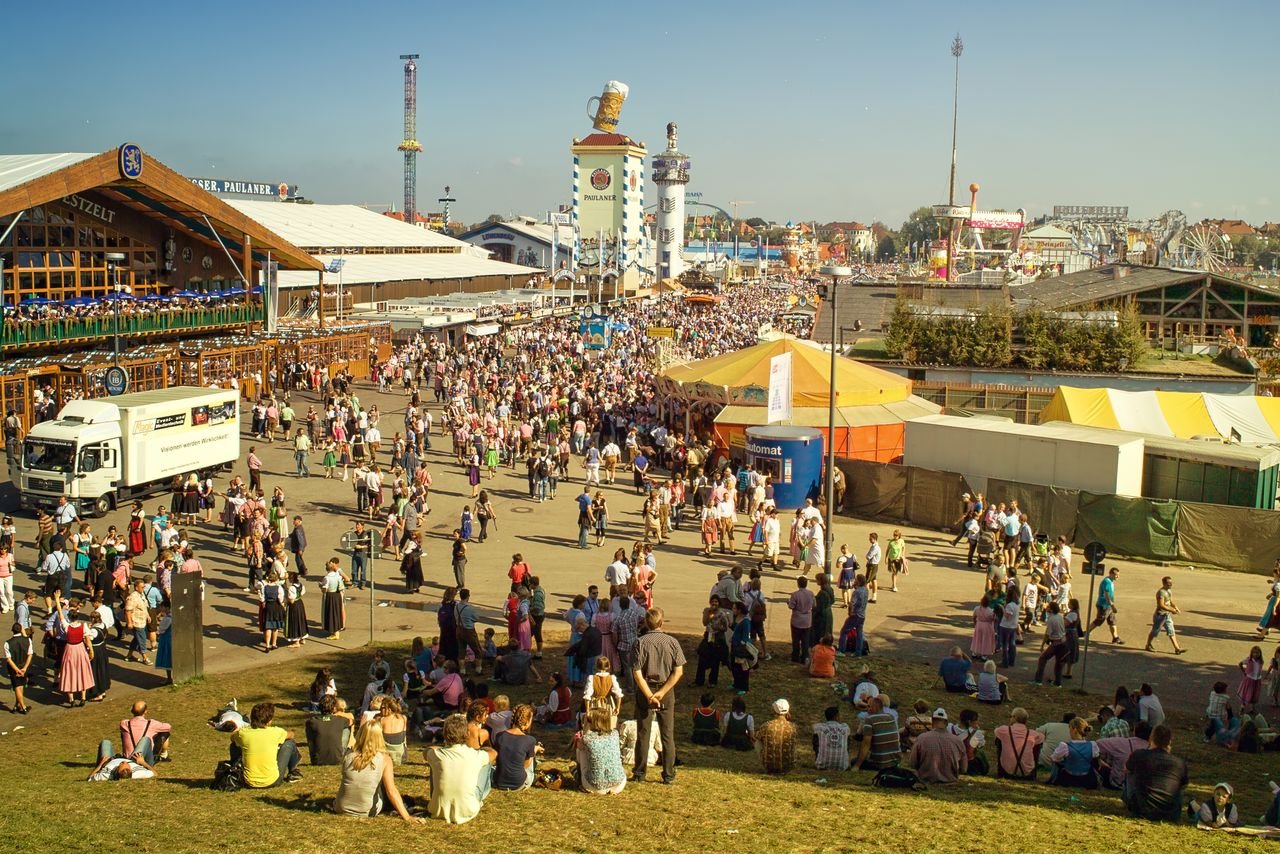
The fall festival season has a predictable structure, and that predictability is a gift. Oktoberfest in Munich runs from mid-September to the first Sunday in October — that rhythm is built into the cultural calendar. GABF typically lands in late September or early October in Denver. Beer weeks in cities like Chicago, Portland, and Philadelphia cluster around this same window. Tap takeovers happen throughout October and November.
That means your content calendar should start firing in mid-August at the latest, roughly six weeks before peak events. Here’s a loose framework:
| Weeks Out | Content Goal | Example Posts |
|---|---|---|
| 6–5 weeks | Build anticipation | Sneak peek of new seasonal label, “something big is coming” video |
| 4–3 weeks | Announce specifics | Dates, times, special release names, collaboration teasers |
| 2 weeks | Drive urgency | Limited quantity messaging, ticket links if applicable |
| 1 week | Event details + hype | Tap list preview, staff spotlight, behind-the-scenes |
| Event week | Live content + reminders | Day-of posts, Stories, last-call reminders |
| Post-event | Community content | Recap, thank-yous, leftover keg announcements |
Map this calendar out in a spreadsheet or your scheduling tool before you write a single caption. Once you see the full six-week arc, creating the content becomes mechanical.
The Best Platforms and Posting Cadence for Breweries
Not all platforms are equal for craft breweries. Here’s where your energy is best spent:
- Instagram — Still the primary channel for the craft beer audience. Photos of pours, taproom scenes, hop closeups, and brewer portraits all perform well. Reels (15–30 seconds) now get significantly more reach than static posts. Aim for 4–5 posts per week during festival season, including at least one Reel. Meta’s business resources offer free scheduling and analytics worth using.
- TikTok — Fast-growing for the under-35 beer crowd. Short brewery tour videos, “how we brew our Märzen” explainers, and behind-the-scenes festival prep do well here. Consistency matters more than production quality. Two to three videos per week is realistic.
- Facebook — Still critical for reaching the 40+ taproom crowd, and especially useful for event listings. Facebook Events drive RSVPs from people who genuinely show up. Don’t skip it.
- X (formerly Twitter) — Lower priority for most craft breweries, but useful for real-time event updates and connecting with beer press and media.
The key insight is that you don’t need to be everywhere at maximum effort. Pick two platforms you’ll cover well, create content for those, then cross-post to the rest with minimal friction.
How to Turn One Event Into Three Weeks of Content
This is the secret weapon of well-organized brewery marketing teams: content multiplication. A single brew day for your Oktoberfest lager can generate:
- A 30-second TikTok of the grain mash coming together
- Three Instagram Reels — one of boiling wort, one of transferring to fermenters, one of the finished beer being poured
- Five static Instagram posts — hop varieties used, the recipe inspiration, a brewer portrait, the label reveal, and a countdown post
- Two Facebook posts — the announcement and the event listing
- A behind-the-scenes Story sequence across multiple days
That’s two to three weeks of content from a single brew day with a phone camera and a decent eye. CraftBeer.com regularly spotlights how independent breweries tell their story across channels — the approach is always some version of “document what you’re already doing.” Every significant brewery action is a content opportunity: a keg delivery, a collab handoff, the brewer tasting from the fermenter. None of these require a production crew — just the habit of pressing record.
Using Scheduling Tools to Stay Active While You’re Slammed
Here’s where smart operations separate from reactive ones. A brewery that manually posts during festival week is constantly context-switching between running the event and managing social media. That leads to either burned-out staff or a feed that goes dark at the worst possible moment.
The professional move is to front-load. In the two weeks before your festival or major event, sit down with your content library and schedule everything. A scheduling tool like SchedPilot lets you queue up posts across Instagram, TikTok, Facebook, and X from a single dashboard, set exact publish times, and then walk away. Your Tuesday reminder post goes live at 6pm even if you’re knee-deep in a keg swap at the time.
For a brewery navigating fall festival season, that might mean 30 to 40 posts queued and scheduled in a single two-hour session. The feed runs on autopilot, posts fire at optimal times, and nobody is asking the stressed-out taproom manager to stop what they’re doing to post a Reel. SchedPilot handles multi-platform publishing from a single dashboard — write the caption once, adapt it per platform, and let the tool handle the rest. For a two- or three-person marketing operation, that time compression is genuinely significant.
Setting Up Your Festival Content Calendar in SchedPilot
The practical workflow is straightforward:
- Audit your event calendar — List every festival, tap takeover, collaboration release, and seasonal launch in the next 60 days
- Identify content milestones — For each event, map 3–5 content moments (announcement, behind-the-scenes, day-before reminder, day-of, recap)
- Batch your content creation — Pick one or two mornings where you shoot photos and short videos for all upcoming content at once
- Write captions in bulk — Set aside a few hours to write all the captions, hashtags, and calls to action at once rather than scrambling in the moment
- Load into your scheduler — Drop everything into a scheduling tool like SchedPilot, assign platforms and times, and review the full calendar view before confirming
- Set aside time for live content — Keep a few slots open for spontaneous in-the-moment posts during the actual event; these feel genuine and complement the scheduled content
The goal isn’t a robotic feed. It’s to guarantee the strategic content — label reveal, ticket announcement, collab preview — always goes out on time, so the only thing you’re improvising during the event is the authentic, in-the-moment stuff that no scheduler can replicate.
Measuring What Actually Worked
After each festival season, you should be able to answer two questions: Which posts drove the most engagement, and which drove actual traffic to your event?
Engagement metrics (likes, shares, comments, saves) tell you what content resonates. Reach and impressions tell you how far your message traveled. But for event-focused content, the more useful metric is link clicks and profile visits in the 48 hours before an event — those indicate people actively investigating whether to come.
Most scheduling tools provide analytics alongside publishing. Track which content format performs best on each platform, what posting times get the most traction with your specific audience, and whether the festival-week spike holds up year over year. Over time, you build a reliable template you can reuse each fall. The Untappd for Business platform also layers beer discovery data on top of your event presence — worth connecting if your brewery isn’t already using it.
The Brew Professor Takeaway
The breweries filling their tents and taprooms at fall festivals in 2026 aren’t doing it by accident. They’re applying the same systematic thinking to social media as they do to their brew schedules — building content calendars, batching creation, and using scheduling tools to keep feeds running without chaos.
Start your social calendar six weeks before your first fall event. Create in batches, and let a tool like SchedPilot handle the publishing so your team can focus on pouring great beer for the people your feed convinced to show up.
Browse the festivals hub for full coverage of GABF, Oktoberfest, and regional beer weeks worth planning around — and our Oktoberfest Guide 2026 for everything that makes fall beer culture tick.