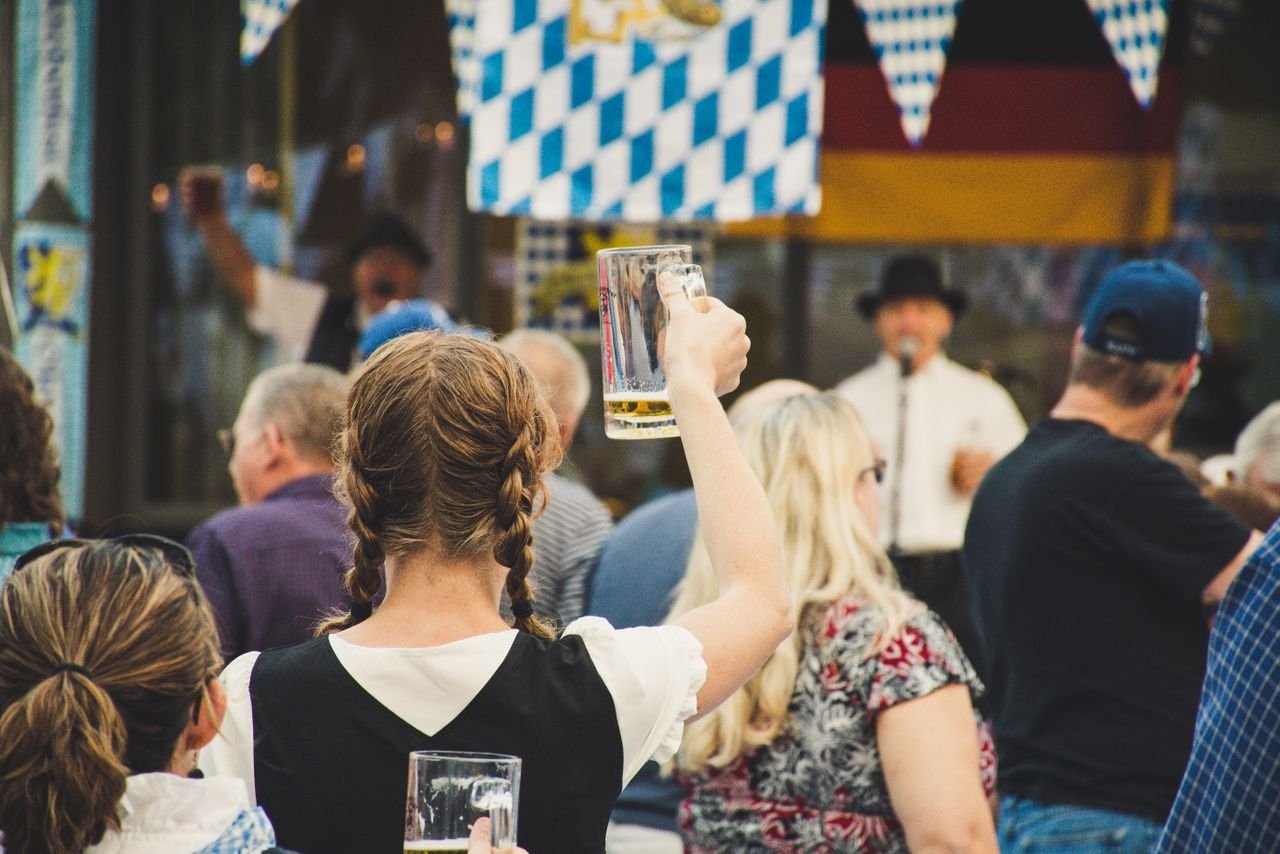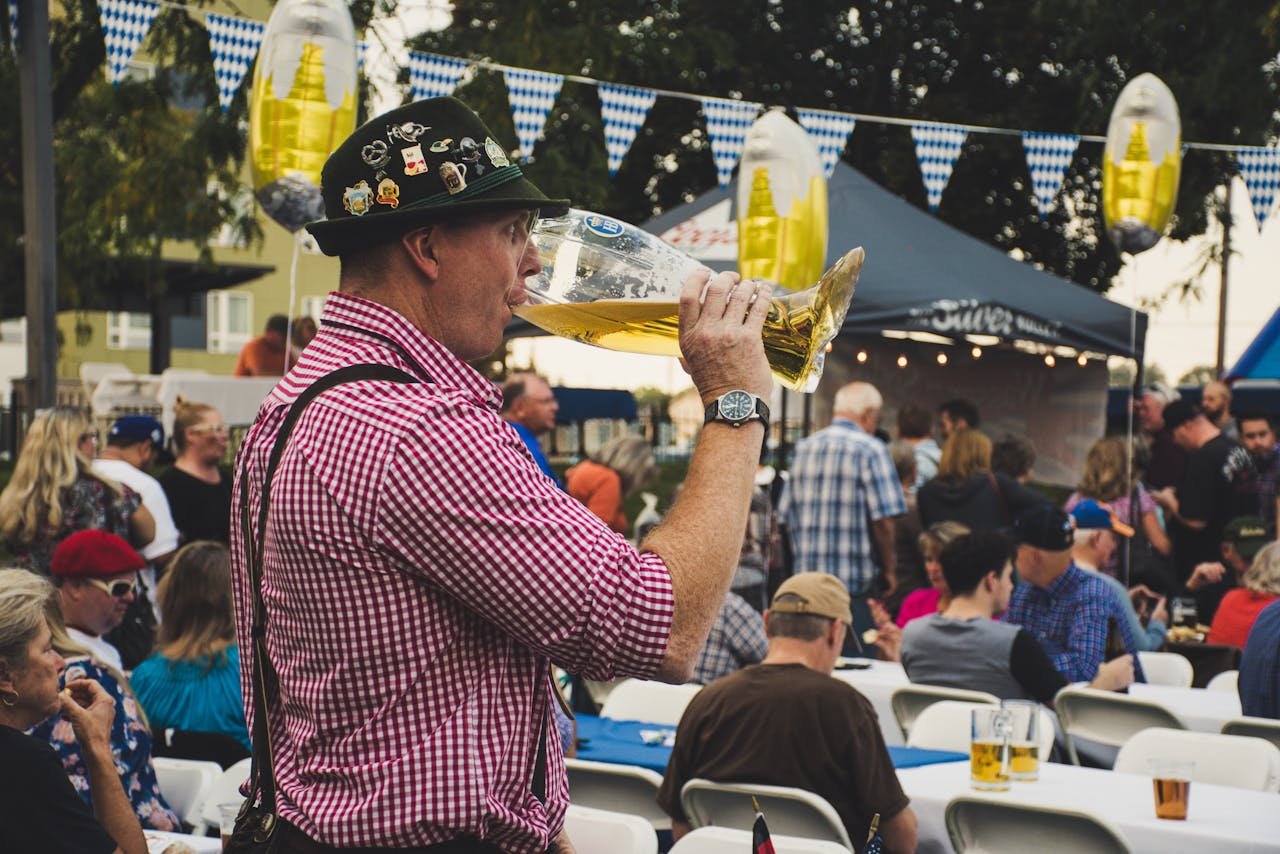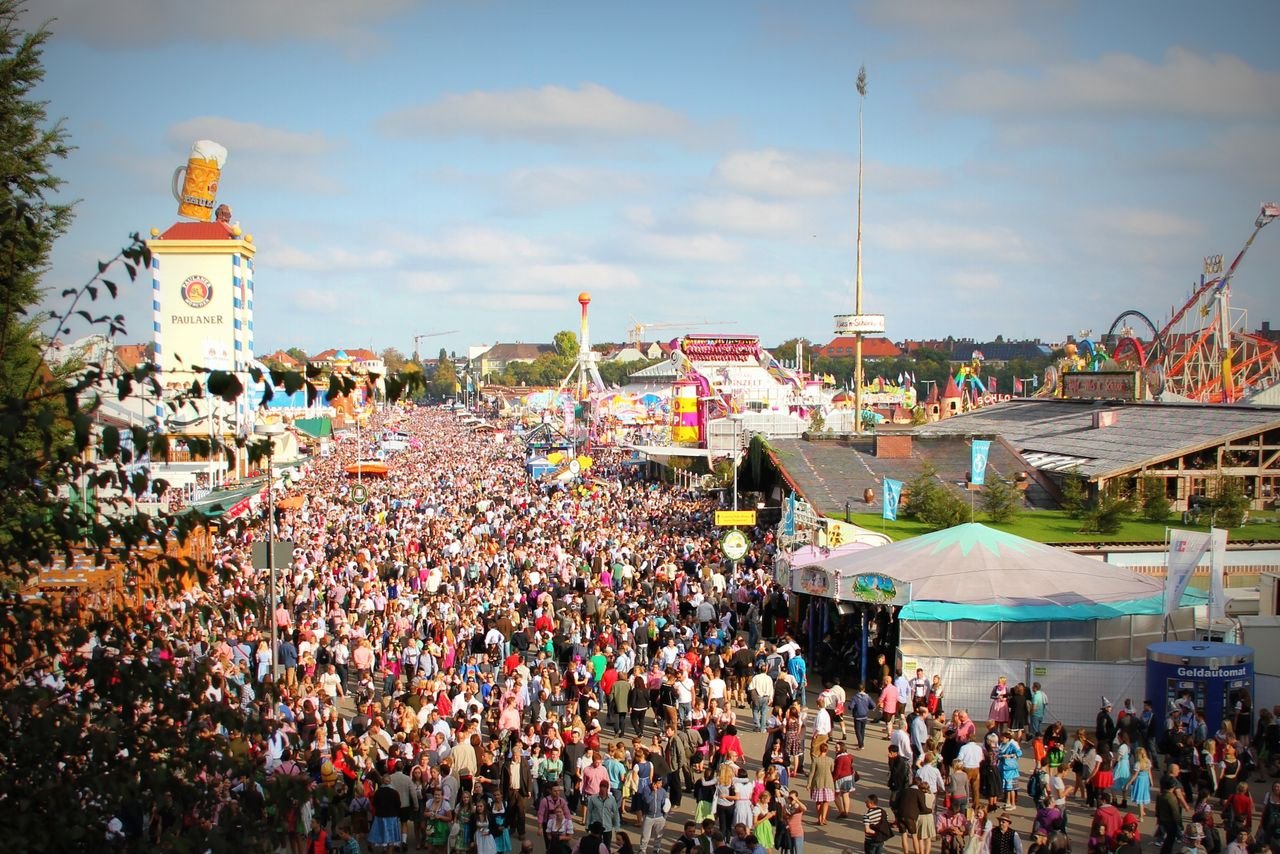
Oktoberfest is one of those rare events that lives up to the hype — and then some. Six million visitors, six breweries, fourteen major tents, and sixteen days of Bavarian tradition on the Theresienwiese meadow in Munich. In 2026, the festival runs from September 19 through October 4, opening with the ceremonial tapping of the first keg by the Mayor of Munich at noon on the 19th. If you haven’t been, this guide will get you ready. If you have, there’s still something here for you.
The 2026 Dates and Opening Weekend
The official 2026 Oktoberfest calendar:
- Opening day: Saturday, September 19, 2026
- Closing day: Sunday, October 4, 2026
- Keg tapping: 12:00 noon on September 19 (traditionally “O’zapft is!” — “It’s tapped!”)
The first two weekends are the busiest and most atmospheric. If you can only go once, opening weekend delivers unmatched energy. Weekday visits are calmer and easier for meeting locals.
The Six Official Breweries
Only six Munich breweries are licensed to pour inside the main Oktoberfest tents, and all produce dedicated festival beers for the occasion:
| Brewery | Signature Festival Beer |
|---|---|
| Augustiner | Augustiner Märzen |
| Hacker-Pschorr | Himmel der Bayern |
| Hofbräu | Hofbräu Oktoberfestbier |
| Löwenbräu | Löwenbräu Oktoberfest |
| Paulaner | Paulaner Wiesn |
| Spaten | Spaten Oktoberfest |
The standard pour is a Mass — a one-liter ceramic stein. Prices in 2026 are expected to be in the €15–€17 range per Mass, continuing the trend of modest annual increases. The beers themselves are either a classic amber Märzen (malty, bready, around 6% ABV) or the increasingly popular golden Festbier (crisper, slightly lower ABV). The official Oktoberfest website lists each tent and its brewery affiliation.
Navigating the Tents
There are 14 large tents and around 20 smaller specialty tents. Each has its own personality:
- Hofbräu-Festzelt — the most famous and most international, often loud and rowdy. Great atmosphere, harder to get a table without a reservation.
- Augustiner-Festhalle — beloved by locals for its wooden barrels (one of the last tents to use them) and slightly more traditional feel.
- Hacker-Festzelt — nicknamed “Himmel der Bayern” (Heaven of the Bavarians), with a painted sky ceiling. Popular with younger Munich crowds.
- Käfer’s Wies’n-Schänke — smaller, more upscale, famous for excellent food alongside the beer.
- Weinzelt — if you want a break from beer, this tent pours wine and sekt.
Getting Tickets and Reservations
Reserved seating is allocated through each tent’s individual reservation system — there is no central Oktoberfest booking platform. To reserve a table:
- Visit the website of the specific tent you want (links are on oktoberfest.de).
- Reservations typically open in January or February for the same year’s festival.
- Be prepared: popular tents sell out within hours of opening reservations.
No reservation? Arrive when the tents open (9 a.m. on weekdays, 9 a.m. on weekends for the beer tents — though families arrive from 8 a.m.). Unreserved tables are first-come, first-served. You must be seated to be served, so standing in the aisles with a beer isn’t allowed.
Getting to Munich and Around the Grounds
Munich’s public transport is excellent. The U4 and U5 subway lines both have a “Theresienwiese” stop that delivers you directly to the festival entrance. S-Bahn lines also serve central Munich easily from the airport (roughly 40 minutes).
Inside the Theresienwiese, the grounds are large but well-signed. A free map is available at the entrance gates. The fairground also includes rides, carnival games, and food stalls — it’s a genuine folk festival, not just a beer garden.
Costs to Budget For
Plan for these approximate 2026 expenses:
- Beer: €15–€17 per Mass (liter)
- Chicken (Hendl): €15–€20 half chicken
- Pretzel (Brez’n): €5–€8
- Accommodation in Munich: €150–€400+ per night during the festival
- Flight to Munich: highly variable; book as early as possible
Budget travelers should note that Munich accommodation prices spike dramatically during Oktoberfest. Consider staying in nearby cities like Augsburg or Nuremberg and commuting by train.
Dress Code and Tradition
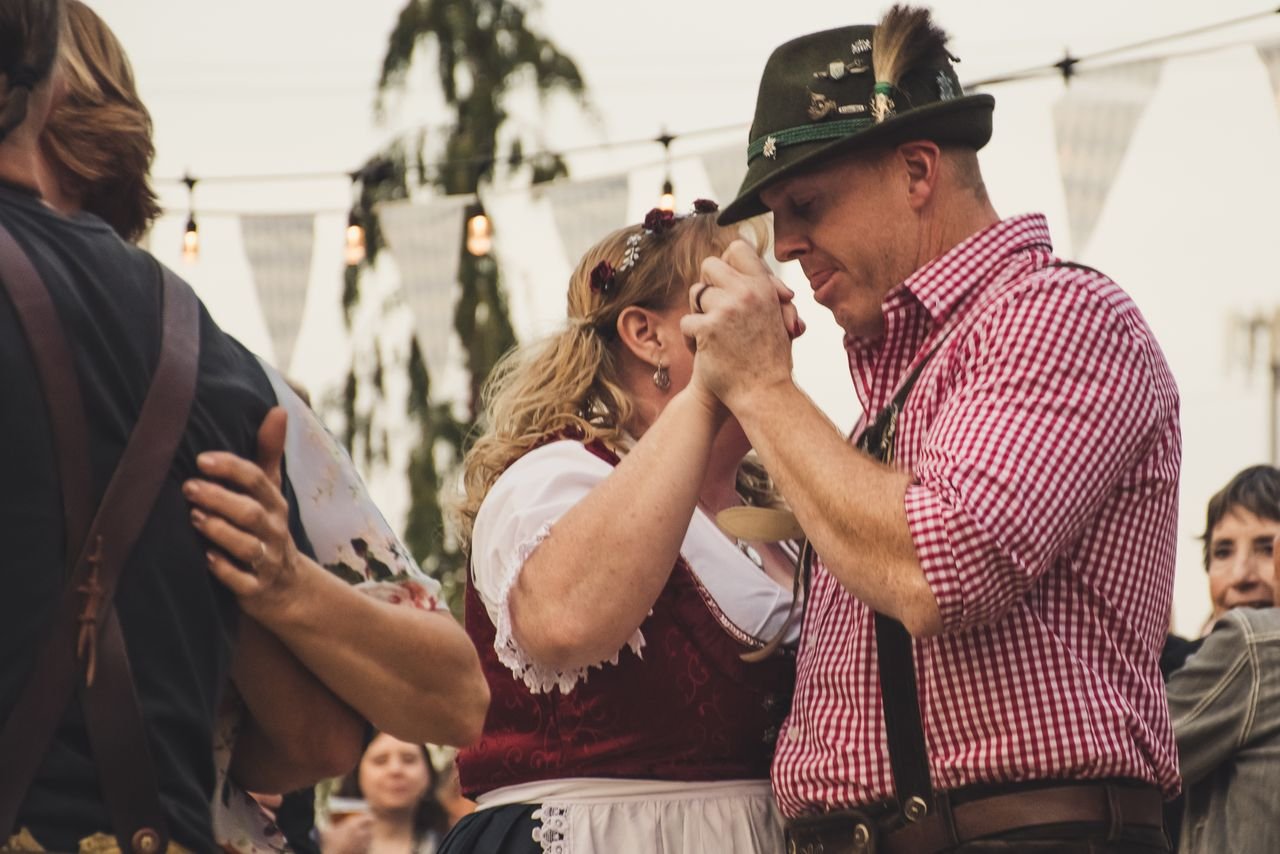
Traditional dress — lederhosen for men, dirndl for women — is not required, but it is widely worn and deeply appreciated. Wearing Tracht (traditional Bavarian dress) shows respect for the host culture and will often earn you a warmer welcome from locals. See the full guide on what to wear to Oktoberfest for how to source the right outfit. Briefly: aim for quality over novelty, buy leather not polyester, and remember that Munich locals wear Tracht with genuine pride — not as costume.
Food You Must Try
The food at Oktoberfest is as traditional as the beer:
- Hendl (roast chicken) — the classic tent meal
- Schweinshaxe (pork knuckle) — crispy-skinned and enormous
- Obatzda (Bavarian cheese spread) — served with a Brez’n
- Käsespätzle (cheesy egg noodles) — excellent for lining the stomach
- Steckerlfisch (grilled fish on a stick) — from outdoor stalls between tents
Eating at Oktoberfest is not optional — it’s strategy. A proper meal inside the tent (or before entering) slows alcohol absorption and extends your afternoon considerably. The Hendl at most tents is a full half-chicken, roasted over open flame, and it is genuinely excellent. The Obatzda — a creamy blend of aged camembert, cream cheese, butter, and paprika — spread thick on a warm Brez’n is one of the great food experiences in Germany.
Insider Tips From Repeat Visitors
A few things the guidebooks don’t always mention:
- Arrive early on weekdays. The tents are far more manageable Tuesday through Thursday, and you’re more likely to find unreserved seating and have actual conversations with the people next to you.
- The Augustiner tent is the locals’ choice. Munich residents disproportionately favor Augustiner for its wooden barrel service (one of the last tents still using them) and its slightly less touristy crowd.
- Sunday is family day. Weekend mornings bring Munich families with children before the party crowd arrives in the afternoon. It’s a genuinely different atmosphere.
- Pace yourself with water. BeerAdvocate’s festival guides consistently flag dehydration as the primary reason people have bad festival experiences. The tents have water service — use it.
- Use the Untappd app to log which beers you tried across different tents. The six official beers taste subtly different from each other, and your notes at hour two will be more reliable than your memory at hour six.
Staying Safe and Responsible
Oktoberfest’s scale means it also has a robust safety and welfare infrastructure. German law prohibits re-entry once you leave a tent (to manage crowd levels), and security checks bags at tent entrances. A few practical notes:
- Lost and found is centrally located on the grounds (marked on the festival map)
- Medical stations are positioned throughout the Theresienwiese
- Munich police are present in large numbers and take public safety seriously
- The festival has an official statement on respectful behavior toward staff, particularly tent waitstaff
CraftBeer.com’s guides and the BeerAdvocate community forums are both active resources for planning questions from first-time Oktoberfest visitors. The Siebel Institute also publishes occasional editorial on Bavarian brewing culture that’s worth reading before your trip for historical context on the Märzen and Festbier styles you’ll be drinking.
The Brew Professor Takeaway
Oktoberfest 2026 runs September 19 to October 4, and the planning starts now. Lock down accommodation first — nothing else matters if you can’t sleep in Munich. Then sort your tent reservation if you want a guaranteed seat, and budget for beer prices that are firmly north of €15 a liter. Beyond the logistics, Oktoberfest rewards the curious: it’s a living expression of Bavarian culture, a masterclass in lager tradition, and genuinely one of the great communal experiences on the planet. For a broader look at what else is happening in the festival world this year, head to the festivals hub.