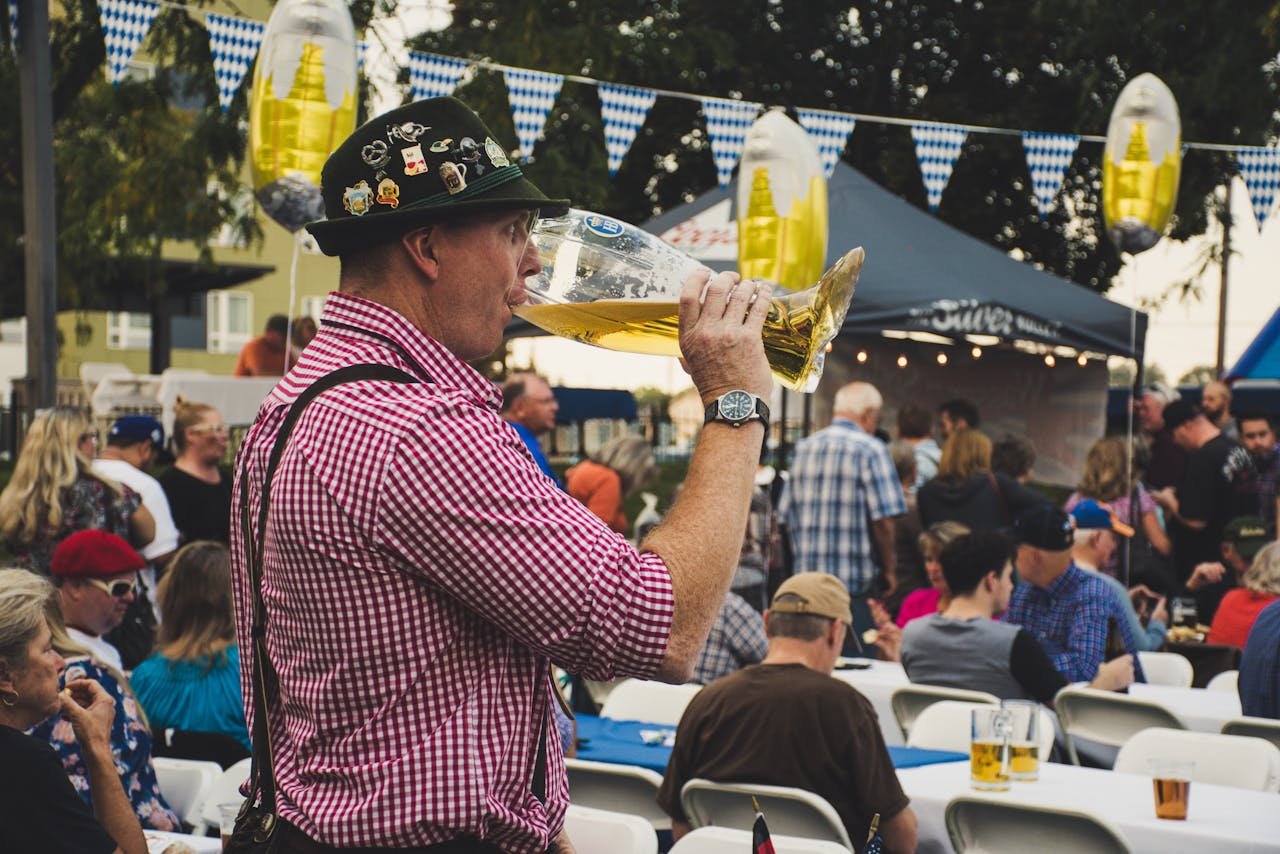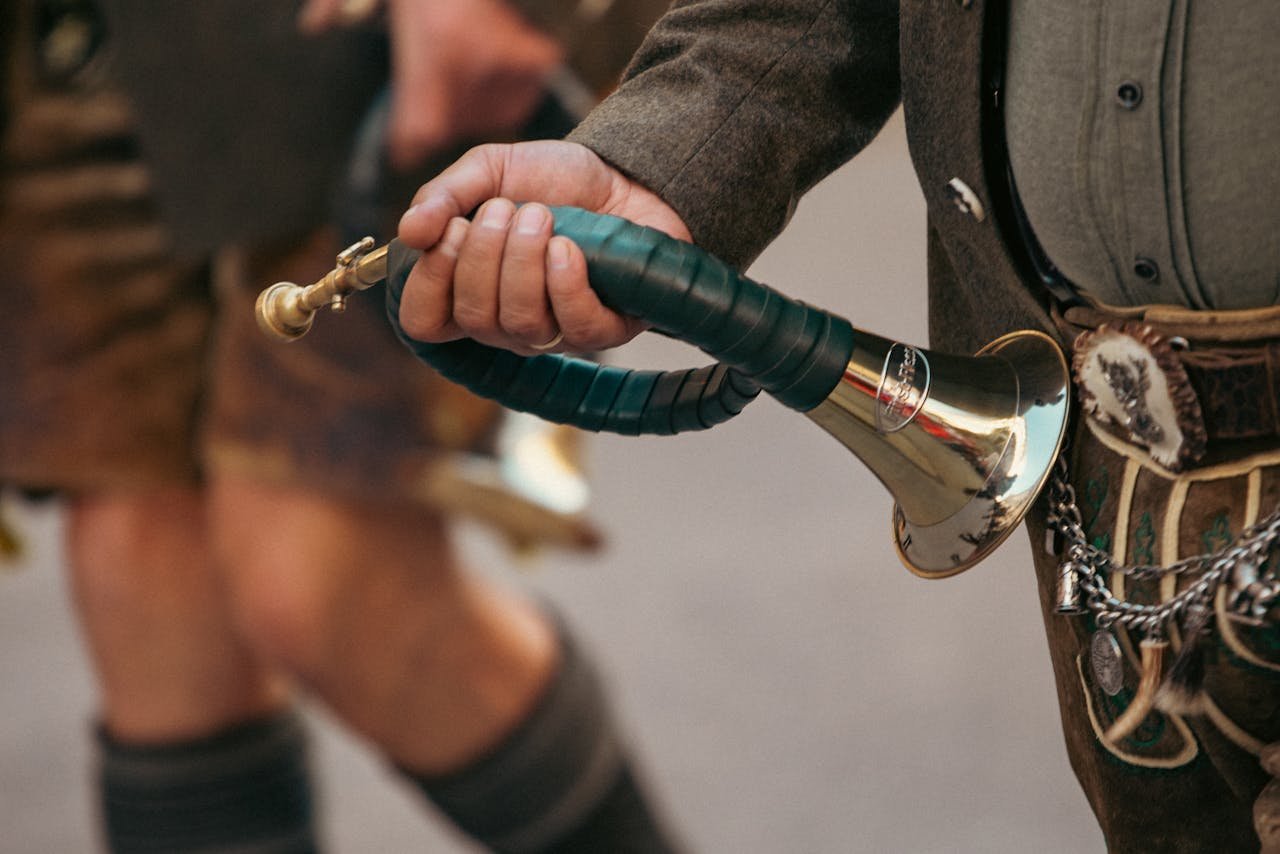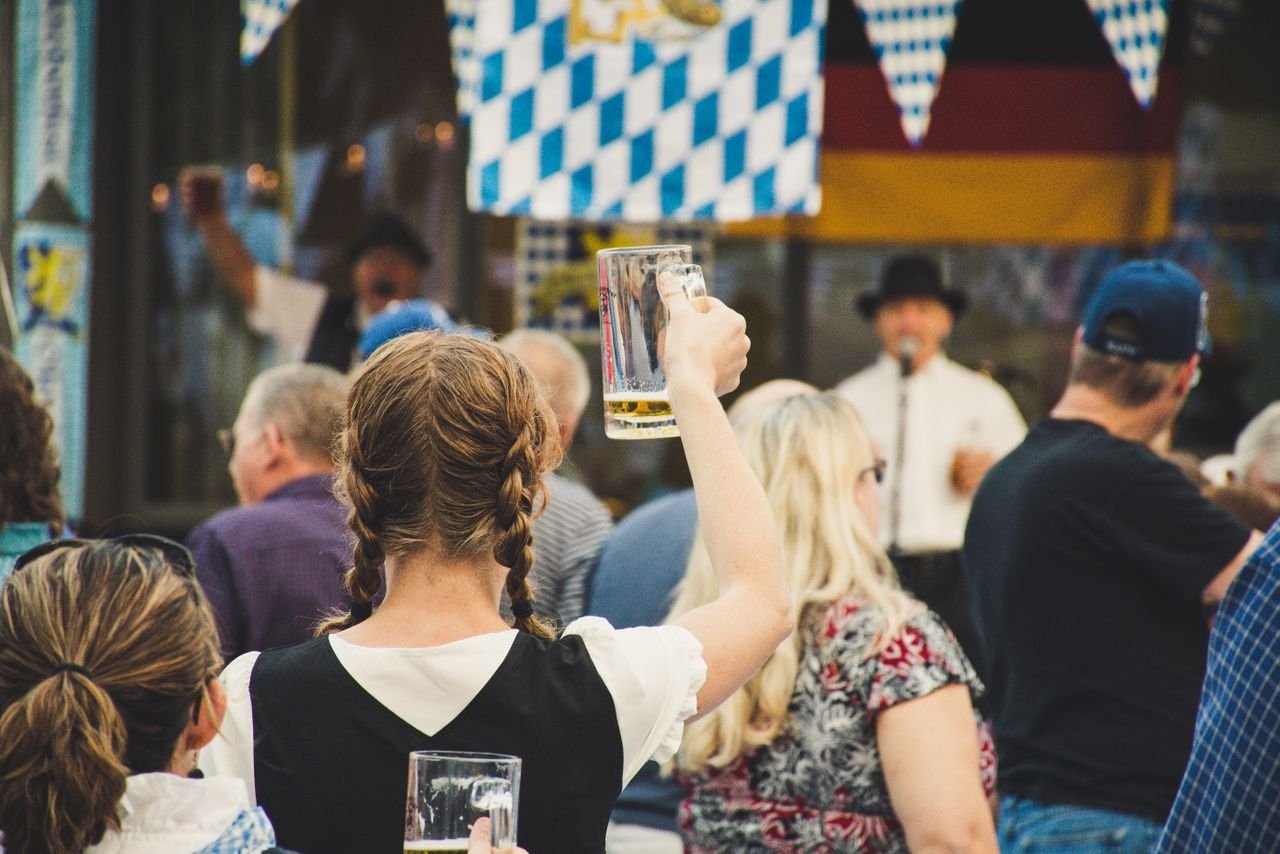
Walk into any Oktoberfest tent in 2026 and you’ll immediately notice something: almost everyone is wearing traditional Bavarian dress. Not because it’s required — it isn’t — but because Tracht (traditional clothing) is both culturally meaningful and genuinely practical for a day of festival eating, drinking, and dancing. If you’re planning your first Oktoberfest visit, understanding what to wear will save you from expensive tourist-trap purchases and help you fit in with the locals who take this tradition seriously.
Why Tracht Matters at Oktoberfest
Bavarian Tracht isn’t fancy dress. It’s a living regional tradition with roots in 19th-century working clothing, and Munich locals wear it with genuine pride. Showing up in lederhosen or a dirndl isn’t appropriation — it’s participation, and it’s actively welcomed by the host culture. Wearing Tracht signals respect for the event and tends to earn you warmer interactions with the people pouring your beer.
That said, the market for Oktoberfest costumes is full of cheap novelty items that Bavarians call “Disneyland Tracht.” There’s a real difference between a well-made dirndl and a polyester fancy-dress version, and it’s worth understanding the distinction before you buy.
Women’s Tracht: The Dirndl
The dirndl has three components:
- The dress (Dirndlkleid) — typically a fitted bodice and full skirt, falling anywhere from above the knee to mid-calf or ankle. Knee-length is the most common festival choice.
- The blouse (Dirndlbluse) — worn under the bodice; traditional options are white or off-white, with either puff sleeves or a low neckline. Lace trim is common.
- The apron (Schürze) — tied at the waist; the direction of the bow carries a traditional code: bow on the left means single, bow on the right means taken, bow at the back means widowed or a waitress.
Quality indicators to look for:
- Natural fabrics: cotton, linen, or wool rather than synthetic blends
- Structured bodice with boning or internal support
- Sturdy metal zipper or hooks
- Hem weight that holds the skirt shape
Where to buy: In Munich, established shops like Loden-Frey and Angermaier carry authentic Tracht at a range of price points. Plan to spend €100–€300 for a quality dirndl; sub-€50 options are generally the tourist-trap variety. Online shops like Dirndl.com and Wenger Tracht ship internationally. BeerAdvocate’s Oktoberfest forum threads and CraftBeer.com’s festival guides both carry user-submitted recommendations for where to source Tracht outside Germany.
Men’s Tracht: The Lederhosen
Lederhosen — literally “leather breeches” — are the men’s equivalent. The two most common lengths are:
- Kurze Lederhosen (short lederhosen) — above the knee, the most popular Oktoberfest choice
- Kniebundlederhose (knee-length) — traditional working length, slightly more formal
A complete men’s Tracht outfit includes:
- Lederhosen with embroidery and a H-brace (Hosenträger) suspender
- Haferlschuhe — traditional Bavarian shoes, like leather work shoes with a side-laced profile
- Checked shirt (Trachtenhemd) — linen or cotton, in classic checks or small patterns; traditionally blue-white or grey
- Bavarian hat (optional) — a Gamsbart (tuft of chamois hair on a felt hat) is traditional; many men skip it for practical reasons
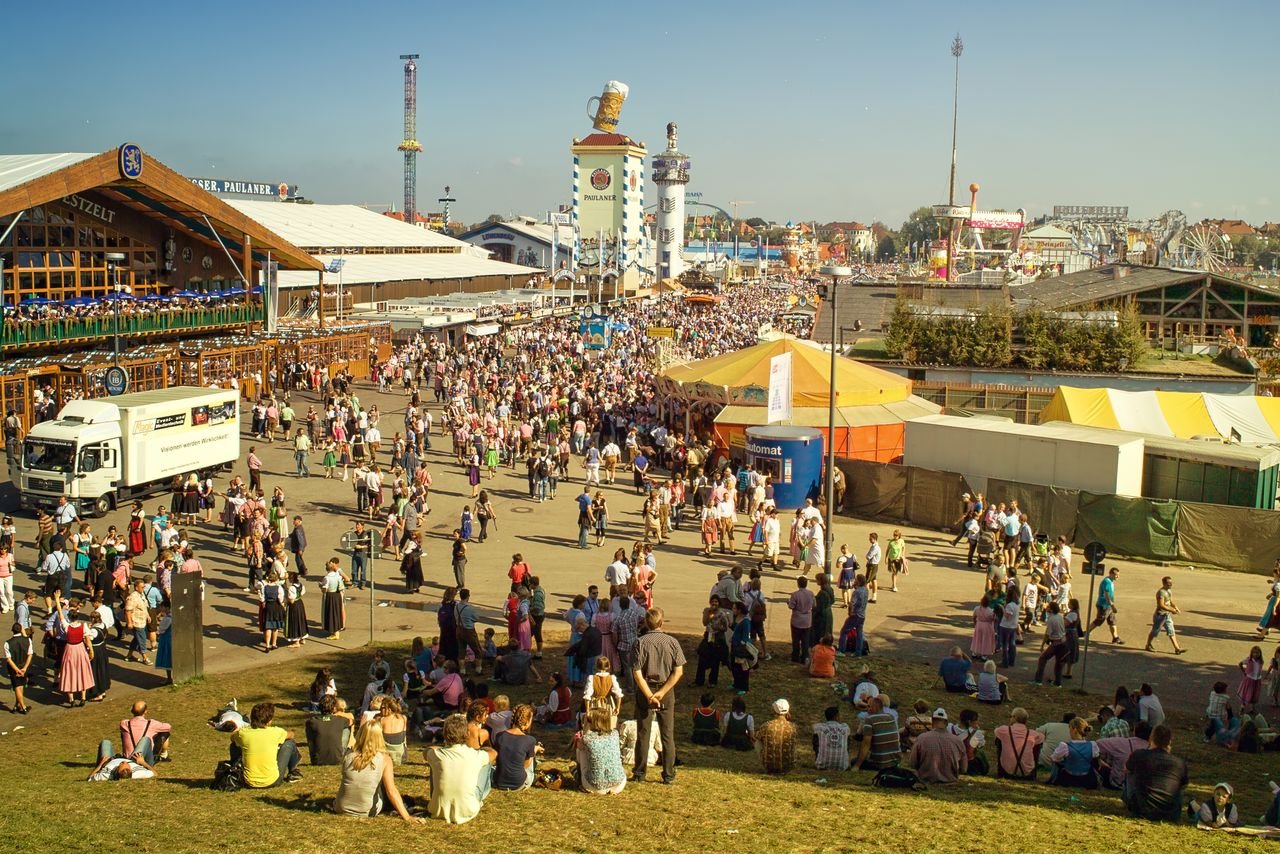
Quality matters even more with lederhosen: real leather will last decades and develop a patina; faux leather or vinyl wears badly and looks it. Expect to pay €150–€400+ for quality lederhosen from a reputable maker. Well-made lederhosen are a one-time investment — locals buy them once and wear them for years. The Brewers Association’s Oktoberfest resources include cultural context on the festival, and Untappd’s Oktoberfest beer lists let you check-in festival beers and see what other visitors are pouring.
Accessories That Elevate the Look
A few additions make the outfit look more authentic:
- Haferlschuhe (for men) or Trachten pumps or flats (for women) — footwear matters enormously
- Knee-high socks (Loferl) — grey or white with decorative edging
- Edelweiss jewelry — understated floral pins or earrings in silver
- Charivari (men) — a decorative chain worn across the lederhosen bib, often with hunting-themed charms
Avoid: plastic edelweiss, novelty bierhall hats, or anything labeled “Oktoberfest costume” rather than “Tracht.”
What If You Don’t Want to Buy Tracht?
If you’re attending once and don’t want to invest in full Tracht, there are practical alternatives:
- Rent in Munich: Numerous shops near the Theresienwiese rent dirndls and lederhosen by the day. Quality varies, so inspect the garment before you commit. Rental typically costs €30–€70 per day.
- Dress smart-casual: There is no dress code at Oktoberfest, and many international visitors attend in regular clothes. You will stand out, but you’ll still be served. Avoid anything that could be construed as disrespectful of Bavarian culture (offensive prints, cheap novelty costumes, etc.).
Practical Dressing Considerations
A few things to consider beyond aesthetics:
- Comfortable footwear is non-negotiable. The grounds are large, the tent floors are wooden, and you’ll be standing for long periods. Dirndl flats beat heels in every conceivable way.
- Layers in September. Munich in late September can be warm at noon and chilly by evening. A Trachten cardigan or light jacket is practical.
- Pockets. Lederhosen have them; many dirndls don’t. A small crossbody bag with your phone, wallet, and festival documents is sensible.
- The official Oktoberfest website publishes etiquette guidance each year, including any dress-related recommendations.
- History context: The tradition of Bavarian Tracht as formal festival wear has roots in 19th-century Munich. The Wikipedia article on Bavarian traditional clothing provides useful background on how Tracht evolved from working dress to cultural symbol.
For the full planning picture, see the Oktoberfest guide 2026 for dates, tents, and tickets.
Children and Families at Oktoberfest
Oktoberfest is a folk festival, not just a beer event, and it welcomes families — particularly on weekend mornings before the main beer-drinking crowd arrives. Children’s rides and carnival attractions make up a significant part of the Theresienwiese. If you’re bringing children, Sunday mornings are the most family-friendly time window. Dress considerations for children are less formal: casual clothing is entirely appropriate, though many Munich families still put their kids in small Tracht outfits for the occasion.
Group Dressing: Tips for Coming With Friends
If you’re attending with a group, a few coordination strategies help. CraftBeer.com’s Oktoberfest guides include visitor tips that apply here — including advice on group logistics for large tent reservations.
- Matching apron colors (for women in dirndls) can make your group recognizable in a crowded tent, though this is purely optional.
- Color-coordinate broadly — blue and white (Bavarian national colors), green, and red are all traditional Tracht palettes.
- Don’t wait to shop together. Good Tracht in the right sizes sells out as the festival approaches. Buy or rent individually and compare notes beforehand.
- Decide on footwear as a group. Mixing Haferlschuhe and sneakers looks distinctly odd. Either everyone goes traditional or everyone accepts the casual option.
The Brew Professor Takeaway
Dressing for Oktoberfest is worth doing properly. Real Tracht is an investment that rewards you with authenticity, durability, and a warmer welcome inside the tents. Buy quality over quantity: a good dirndl or pair of lederhosen will outlast a dozen cheap Halloween-style alternatives. If you’re not ready to invest, renting in Munich is a perfectly reasonable option. Either way, showing up in the spirit of Bavarian tradition — rather than as a parody of it — makes for a genuinely better festival experience. The festivals hub has everything else you need for a great beer travel year.