If IPAs are the rock stars of craft beer, pale ales are the seasoned session musicians who taught the rock stars everything they know. Pale ale is the style that launched the American craft beer revolution — Sierra Nevada Pale Ale, released in 1980, is arguably the single most influential craft beer ever brewed. Yet despite that legacy, pale ale often gets overlooked by drinkers chasing bigger, bolder, hazier pints. That’s a mistake worth correcting.
What Makes a Beer a Pale Ale?
Pale ale is defined more by what it isn’t than what it is. It’s a hop-forward ale that’s lighter in color and body than porters and stouts, less aggressively bitter than most IPAs, and more complex than a lager. The name itself is relative: “pale” referred to the lighter kilned malts that became available in the 18th century, which produced a noticeably brighter beer compared to the dark porters of the era.
According to the BJCP style guidelines, American pale ale is defined by:
- Color: 5–10 SRM (straw to light amber)
- ABV: 4.5–6.2%
- IBU: 30–50
- Body: Medium-light to medium
- Carbonation: Medium-high
The hop character is present but not punishing. You should taste and smell hops — citrus, floral, piney, tropical depending on variety — but bitterness should be balanced by enough malt to give the beer body and roundness. It’s the Goldilocks zone of hop intensity.
The British Origins
Pale ale’s roots are English. In the early 1700s, maltsters in Derbyshire began using coke-fired kilns instead of wood, which produced much paler, more consistently modified malt. The resulting “pale ales” were celebrated for their brightness and clarity — luxury items at first, bottled for gentlemen and exported across the Empire.
The most famous evolution came with India Pale Ale (IPA) — pale ales brewed with extra hops and alcohol for the long voyage to British India. But the standard English pale ale, lower in alcohol and less aggressively bitter, remained the everyday pub pint across Britain. CAMRA, the Campaign for Real Ale, still champions traditional English pale ales and bitters as the backbone of British pub culture. The history of pale malt and how coke-firing changed brewing is explored further in the Wikipedia article on pale ale.
English pale ales (including “bitters”) typically run 3.2–5.5% ABV with earthy, floral Fuggle and East Kent Goldings hops, and a noticeably malt-forward profile compared to their American descendants.
American Pale Ale: The Style That Changed Everything
When Ken Grossman founded Sierra Nevada in Chico, California and released his Pale Ale in 1980, he did something radical: he used Cascade hops, an American variety bred in 1972 with citrus and pine aromatics unlike anything in the English tradition.
That decision rewired the definition of pale ale. American pale ale (APA) is distinguished from English pale ale by:
- Hop varieties: American (Cascade, Centennial, Amarillo) vs. British (Fuggle, Goldings)
- Flavor profile: Citrus and pine vs. earthy, floral, grassy
- Malt character: Cleaner, more neutral base; less caramel
- Finish: Drier and more bitter
Sierra Nevada Pale Ale is still brewed with Cascade hops today and remains a benchmark of the category. According to the Brewers Association, pale ale was the style category most responsible for establishing consumer demand for hop-forward craft beer in the 1980s and early 1990s.
Pale Ale vs IPA: Where’s the Line?
This is the question that confuses most new craft beer drinkers, and the honest answer is: the line is blurry and getting blurrier. Broadly:
| Feature | Pale Ale | IPA |
|---|---|---|
| ABV | 4.5–6.2% | 6.0–7.5%+ |
| IBU | 30–50 | 50–80+ |
| Hop intensity | Moderate | High to very high |
| Body | Medium-light | Medium to full |
| Malt balance | Present, supporting | Minimal or neutral |
A pale ale is to an IPA what a well-seasoned dish is to an intensely spiced one: the same basic flavors, different intensity. Pale ales are generally more food-friendly, more sessionable (you can have two or three without losing your evening), and more accessible to drinkers who find IPAs overwhelming.
The American Homebrewers Association often suggests pale ale as the ideal first homebrew project — complex enough to be interesting, forgiving enough that minor mistakes don’t tank the batch.
Sub-Styles Worth Knowing
English Bitter / Extra Special Bitter (ESB): ESB is technically a pale ale — a higher-ABV, richer version of the English cask bitter. Earthy, slightly sweet, with biscuity malt. Fuller’s ESB from London is the classic example.
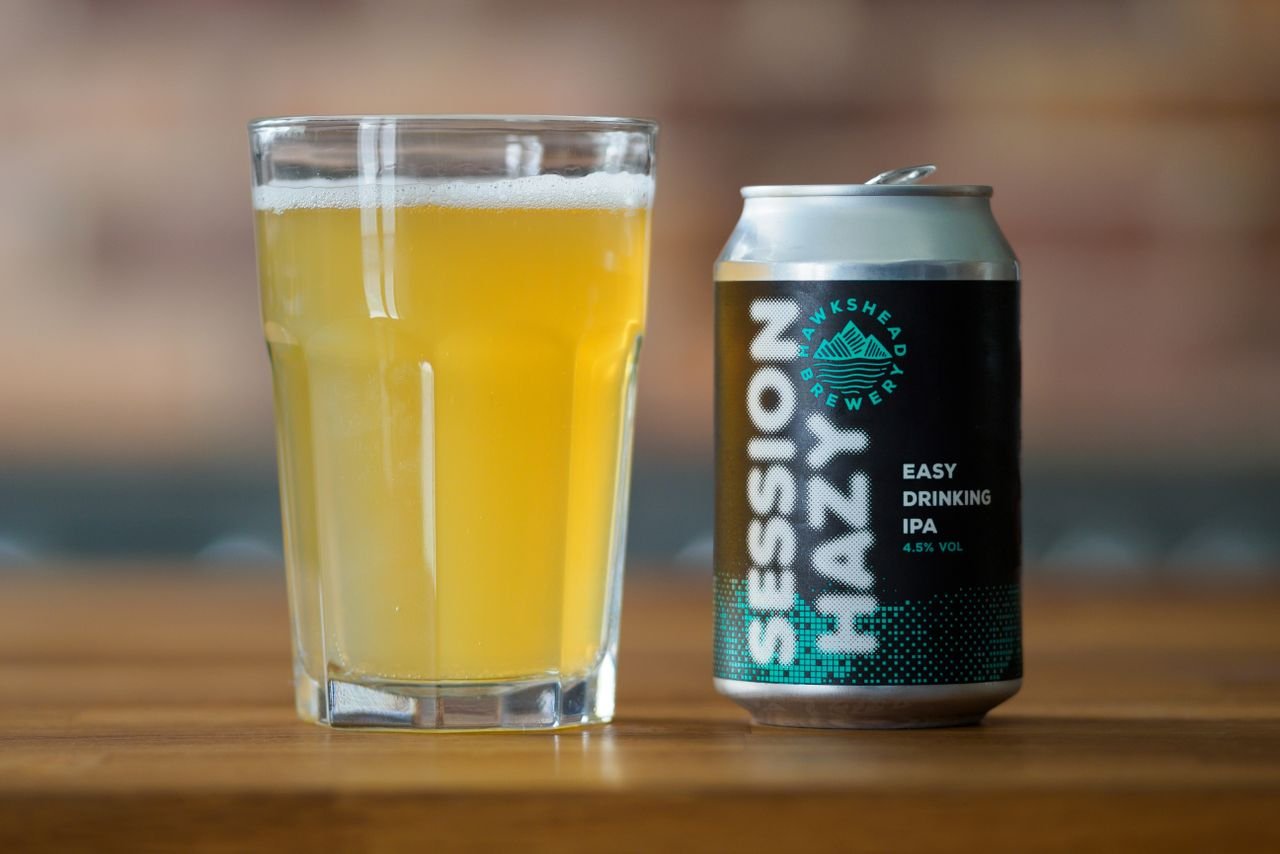
Session Pale Ale: Sub-4.5% ABV, keeps the hop character but reduces the alcohol load. Growing in popularity as drinkers seek lower-alcohol options without sacrificing flavor.
Australian / New Zealand Pale Ale: Uses Southern Hemisphere hop varieties (Galaxy, Nelson Sauvin, Motueka) for tropical passion-fruit, white wine, and stone-fruit characters. Increasingly appearing in US and UK craft markets.
Double Pale Ale: Higher-ABV, more intensely hopped — the bridge between pale ale and double IPA territory. Not widely recognized as an official category but common on tap lists.
What Does a Good Pale Ale Taste Like?
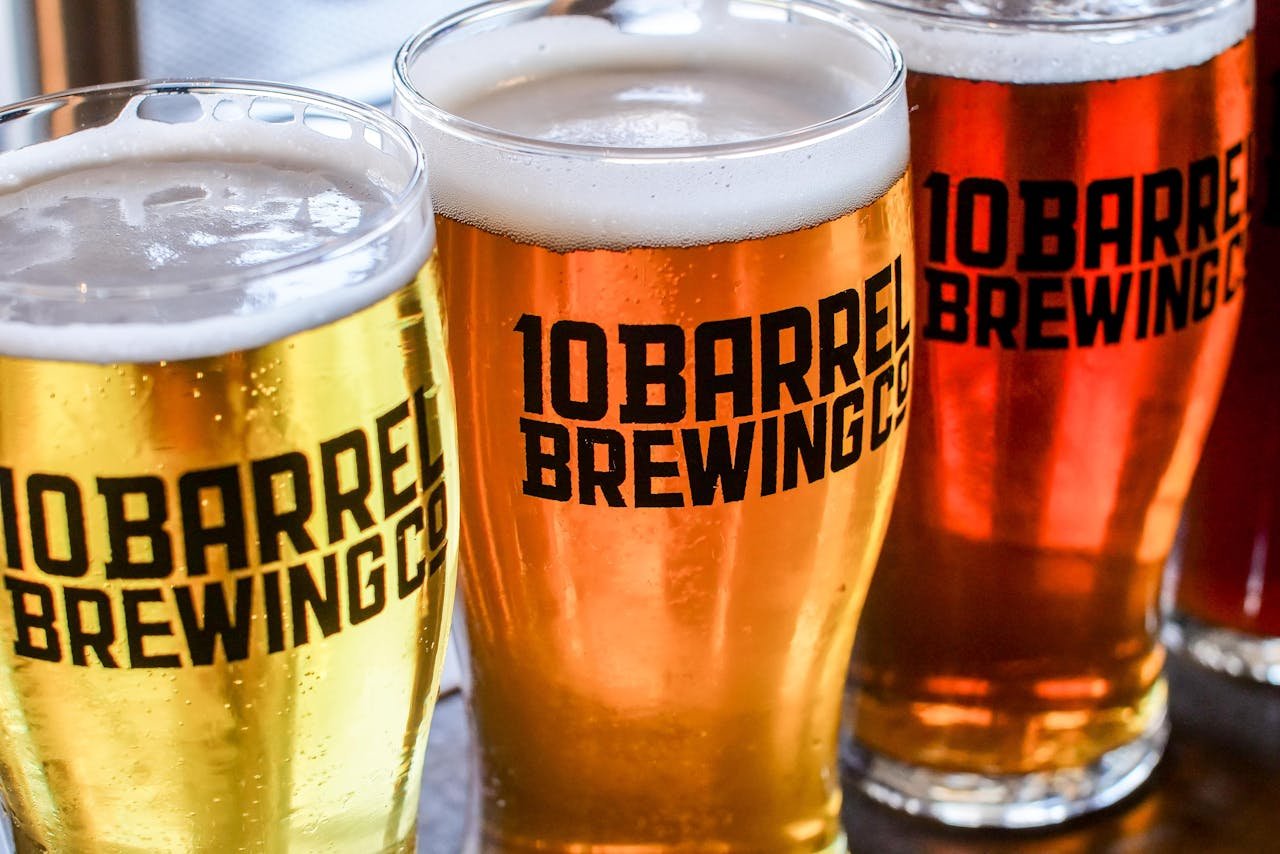
Poured properly, a great American pale ale offers a brilliant golden to light-amber color with a persistent white foam head. The aroma should announce itself: citrus zest, fresh cut pine, maybe a little stone fruit. The first sip brings moderate bitterness that bites cleanly, followed by a soft malt body — a little biscuit, a little bread — before the hop bitterness lingers in a dry, refreshing finish.
For building your tasting vocabulary around pale ale, our guide on how to taste beer like a pro walks through the evaluation process step by step.
You can explore current highly-rated examples on BeerAdvocate or track what’s on draft locally through Untappd, which makes it easy to find pale ales near you sorted by style.
The Brew Professor Takeaway
Pale ale is the style that built modern craft beer, and it deserves more credit than it currently receives in an era of over-the-top IPAs and pastry stouts. It’s the style where hop character, malt balance, and drinkability sit in perfect tension — none overwhelming the others. Whether you’re picking up a Sierra Nevada as your “standard pint” or exploring English bitters through a pub crawl in London, pale ale rewards attention. It’s not flashy. It doesn’t need to be.