Wheat beers are the great ambassadors of approachability in the beer world. Soft, often cloudy, and packed with fruit and spice from their expressive yeast strains, they appeal to craft novices and seasoned drinkers alike. But “wheat beer” is not a single style — it’s a family of distinct traditions stretching from Bavaria to Belgium to Berlin, each with its own rules, flavors, and history.
What Makes a Beer a “Wheat Beer”?
The defining ingredient is, predictably, wheat. Wheat beers typically contain at least 30–50% wheat in the grain bill alongside barley malt. Wheat contributes:
- A hazy appearance (wheat proteins scatter light)
- A soft, rounded mouthfeel
- Increased head retention (wheat proteins also help foam stability)
- A subtly grainy, bready flavor note
Unlike barley malt, wheat has no husk, which means it can cause lautering headaches for brewers — one reason all-wheat beers are rare and a barley base is almost always included. The American Homebrewers Association has good resources on working with wheat in homebrew recipes.
Hefeweizen (German Wheat Beer)
The German Hefeweizen (“hefe” = yeast, “weizen” = wheat) is perhaps the most iconic wheat beer in the world. Originating in Bavaria, it’s protected under the Reinheitsgebot tradition and made with a very specific yeast strain that produces the style’s defining character.
Key specs (BJCP Style 10A):
- ABV: 4.3–5.6%
- IBU: 8–15 (very low bitterness)
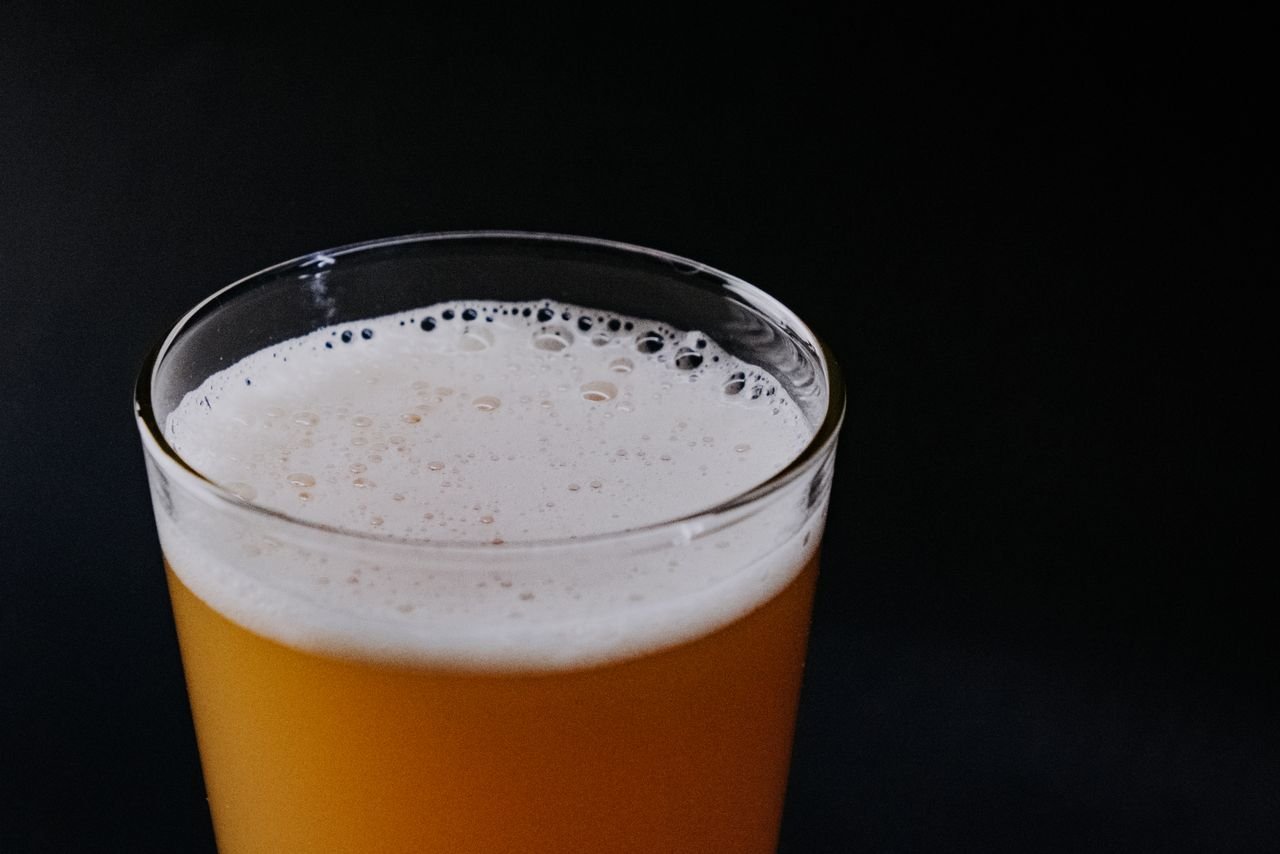
- Color: Pale gold to amber, intentionally hazy
- Flavor profile: Banana (isoamyl acetate), clove (4-vinyl guaiacol), light bread, no hop character
The balance between banana and clove is controlled almost entirely by fermentation temperature. Cooler temperatures favor clove; warmer temperatures push toward banana. Expert hefeweizen brewers manipulate temperature through fermentation to hit the balance they want.
Traditional Bavarian serving etiquette involves a 0.5L Weizenglas — tall, curved, and designed to accommodate the large, persistent head. BeerAdvocate’s hefeweizen guide lists the benchmark examples to seek out.
Dunkelweizen (Dark Wheat Beer)
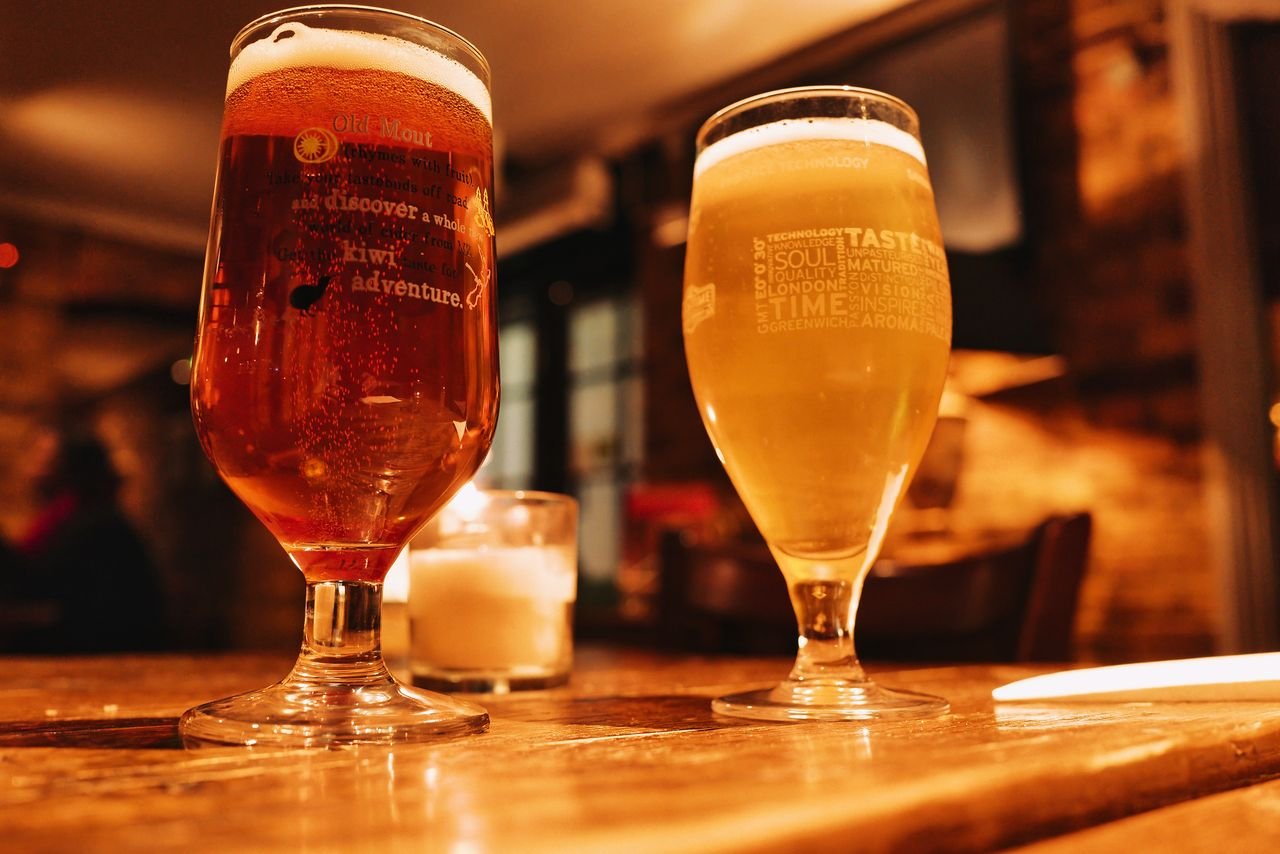
The darker sibling to hefeweizen, Dunkelweizen (“dunkel” = dark) uses Munich and crystal malts alongside the wheat to produce a rich amber-brown beer with the same banana-clove yeast character plus chocolate and toasty malt notes.
- ABV: 4.3–5.6%
- IBU: 10–18
- Flavor: Banana, clove, chocolate, caramel, low bitterness
Weizenbock
When Bavaria wanted a stronger wheat beer, they applied the Bock treatment. Weizenbock is essentially hefeweizen scaled up — more malt, more alcohol, and more intense yeast-derived fruit and spice.
- ABV: 6.5–9.0%
- IBU: 15–30
- Flavor: Banana, clove, dark fruit, toffee
Witbier (Belgian White Beer)
The Belgian witbier (“wit” = white) is a distinct tradition from hefeweizen, despite both being pale and hazy wheat beers. Witbier was nearly extinct by the 1950s before Pierre Celis revived it in Hoegaarden in 1966 — one of brewing history’s great comeback stories.
Key specs (BJCP Style 24A):
- ABV: 4.5–5.5%
- IBU: 8–20
- Color: Very pale, white-gold, very hazy
- Flavor: Orange peel, coriander, light spice, soft wheat, gentle tartness
Where hefeweizen gets its character entirely from yeast, witbier is explicitly spiced — the recipe calls for unmalted raw wheat, Curaçao orange peel, and coriander seed. Some brewers add other spices (chamomile, black pepper, grains of paradise) as well. The result is lighter, more citrus-forward, and slightly more herbaceous than hefeweizen.
| Feature | Hefeweizen | Witbier |
|---|---|---|
| Origin | Bavaria, Germany | Belgium |
| Grain | Malted wheat | Unmalted wheat |
| Spices | None | Orange peel, coriander |
| Yeast character | Banana, clove | Mild, estery |
| Serving glass | Weizenglas | Tulip or round glass |
Berliner Weisse
The Berliner Weisse is the tart, low-alcohol member of the wheat beer family. Historically produced in Berlin and once called the “Champagne of the North” by Napoleon’s troops, it’s a deliberately sour wheat beer fermented with both Lactobacillus bacteria and yeast.
- ABV: 2.8–3.8%
- IBU: 3–8 (almost none)
- Flavor: Sharp lactic sourness, light wheat, lemony, very refreshing
- Serving: Traditionally served with flavored syrups (Waldmeister/woodruff or raspberry) to balance the tartness
The style is closely related to sour beers and uses similar spontaneous or mixed-fermentation techniques. CraftBeer.com has a good overview of modern American interpretations. The Wikipedia entry on Berliner Weisse traces the style’s documented history back to at least the 16th century.
American Wheat Beer
The American version drops most of the rules. No required yeast character, no spices mandated. American wheat beers use American ale yeast, producing a clean, refreshing beer where the wheat contributes softness and haze but minimal yeast flavor.
- ABV: 4.0–5.5%
- IBU: 15–30
- Flavor: Clean, soft, lightly fruity, minimal spice
They’re an excellent entry point for drinkers exploring wheat beers, and they pair beautifully with salads, seafood, and summer meals. The Brewers Association lists American wheat as one of the most produced craft styles.
Homebrewing Wheat Beers
Wheat beers are a rewarding homebrew project, with a few quirks to manage:
The lautering challenge: Wheat has no husk to help filter the mash. To avoid a stuck sparge, most brewers use rice hulls (a husked material that adds no flavor) to create filtering channels in the grain bed. The brew in a bag (BIAB) method sidesteps this issue entirely since there’s no sparge step.
Yeast selection is critical: For hefeweizen, the yeast choice defines the beer. Wyeast 3068 Weihenstephan and White Labs WLP300 are the standard strains. For witbier, Belgian strains like Wyeast 3944 or WLP400 deliver the characteristic spice. American wheat ale yeast (like US-05) is much more neutral.
Temperature controls banana vs. clove: For hefeweizen, ferment at 62–65°F for more clove character; 66–70°F for more banana. The ferulic acid rest (a mash step at 111°F for 15 minutes) can also boost clove production by increasing ferulic acid content.
Spicing witbier: The American Homebrewers Association recommends adding coriander seed (cracked, not powdered) and dried Curaçao orange peel in the last 5–10 minutes of the boil — typically 0.5–1.5 oz each per 5-gallon batch.
Food Pairing
Wheat beers’ light body and bright flavors make them among the most food-friendly styles in existence:
- Hefeweizen pairs beautifully with light dishes: Bavarian pretzels, weisswurst, soft cheeses, salads, and seafood
- Witbier is an excellent match for mussels, chicken dishes, and anything with citrus
- Berliner Weisse works well with fresh fruit, light desserts, and Thai food
- American wheat is the perfect all-purpose summer food beer — pizza, salads, light sandwiches
The Brewers Association frequently highlights wheat beers in its food pairing content because they bridge flavors that challenge most other styles.
Serving and Storage Tips
Wheat beers are best consumed fresh — their delicate aromatics fade quickly and the haze can settle unappealing with age. Serve hefeweizen at 44–50°F in a tall weizen glass; witbier at 40–45°F in a tulip. For the iconic hefeweizen pour, swirl the bottle to rouse the yeast sediment before pouring the last inch — or don’t, depending on your preference. BeerAdvocate’s hefeweizen community is a great resource for finding benchmark examples to guide your expectations.
The Brew Professor Takeaway
Wheat beers are among brewing’s most expressive and food-friendly styles. Whether you prefer the banana-clove drama of a Bavarian hefeweizen, the citrus-spice charm of a Belgian witbier, or the tart precision of a Berliner Weisse, there’s a wheat beer tradition worth exploring. And with a recipe that often runs only 4–5.5% ABV, they make excellent session companions too.