Belgium makes fewer liters of beer than Germany, the UK, or the United States — but no country produces more styles per square kilometer, and no beer culture runs deeper. Trappist ales brewed by monks, wild-fermented lambics that age for years in oak, farmhouse saisons that taste like a field on a warm evening: Belgium’s brewing heritage is recognized by UNESCO as Intangible Cultural Heritage. The country’s beer festivals reflect that depth, and in 2026 there are several well worth organizing your travel around.
Zythos Bierfestival — Sint-Niklaas
Zythos Bierfestival is Belgium’s largest consumer beer festival and the most important annual gathering of the country’s independent brewing scene. Organized by Zythos, the nonprofit organization representing Belgian beer consumers, the festival takes place in Sint-Niklaas — easily reachable from Brussels, Ghent, or Antwerp — typically in late April.
In 2026, expect over 100 Belgian breweries represented, pouring across a range of styles that reflects the extraordinary breadth of Belgian brewing. You’ll find:
- Tripels and dubbels from abbey-style breweries
- Saisons and farmhouse ales, especially from Wallonian producers
- Lambic and gueuze from the Pajottenland producers (Cantillon, 3 Fonteinen, Boon, and others)
- Flemish red-brown ales (Rodenbach and its neighbors)
- Witbiers — light, spiced, and utterly refreshing
- Strong golden ales in the Duvel tradition
Tickets are modest in price and generally available at the door, though purchasing online in advance is recommended. The festival runs over a weekend, with separate Friday evening, Saturday, and Sunday sessions. Bring a glass — or buy the official tasting glass at the door — and a pen to take notes. The sheer variety rewards a slow, methodical approach.
Cantillon Zythos (Open Brewery Days)
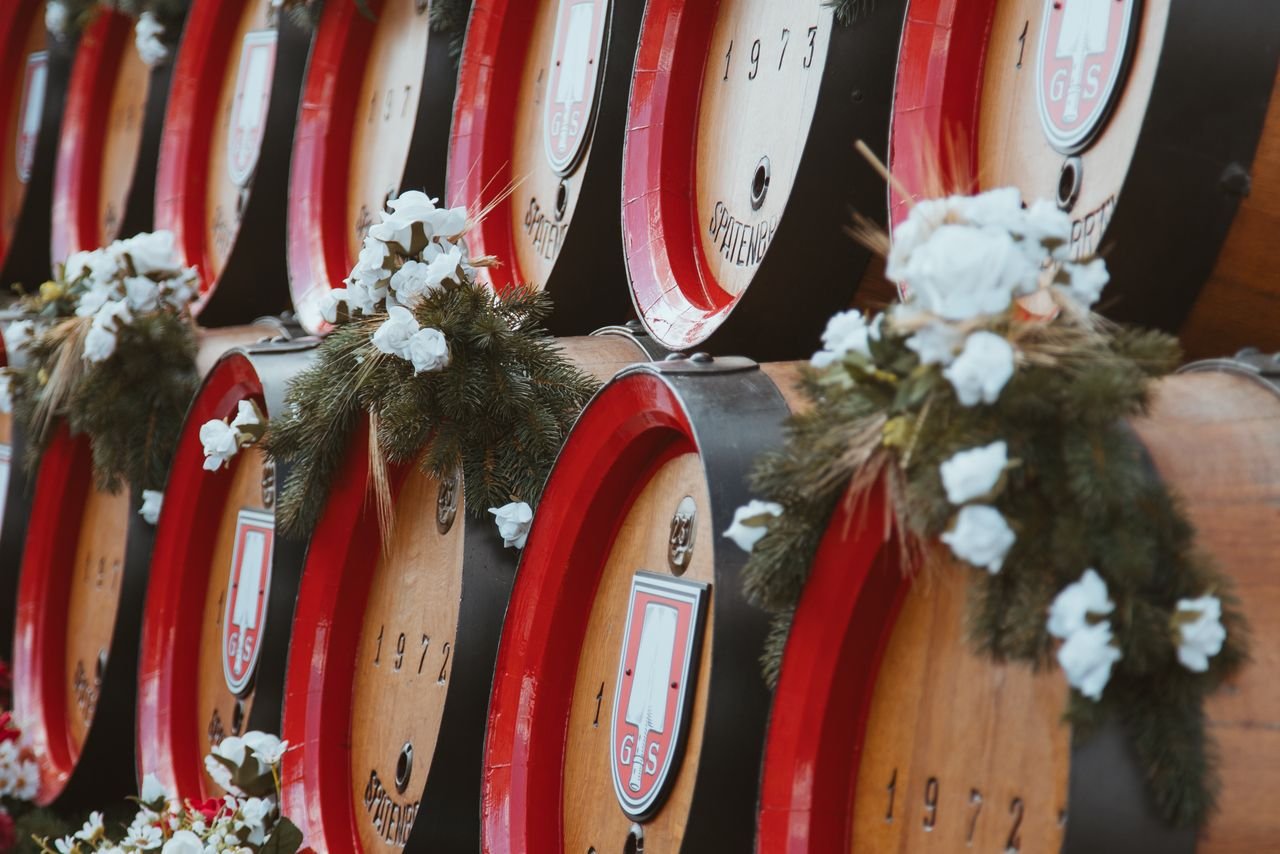
Cantillon is arguably the most iconic lambic brewery in the world, tucked into a Brussels neighborhood and operating as a working brewery and museum simultaneously. Several times a year — including a spring event that often aligns with the Zythos festival weekend — Cantillon opens its doors for special tasting events with limited-release pours. These sell out almost instantly.
If you can’t get a Cantillon event ticket, the brewery (brasserie-cantillon.be) is open as a museum on most days, and the public tour includes samples. Even without a special event, standing in the wooden coolship room with a glass of gueuze is a legitimate pilgrimage.
Brussels Beer Challenge
The Brussels Beer Challenge is an international beer competition with a consumer-facing element. Held in November in Brussels, it draws entries from dozens of countries and awards medals across a comprehensive range of styles. While primarily a judging competition, public tasting events coincide with the awards, offering access to medal-winning beers from around the world.
It pairs well with a broader Brussels beer weekend — the city has some of the finest beer bars in the world, including Moeder Lambic (two locations), Delirium Café, and À La Mort Subite.
Belgian Beer Tourism Beyond the Festivals
Belgium rewards slow travel between festival dates. A few experiences worth building into any Belgian beer trip:
The Trappist circuit: Belgium is home to six recognized Trappist breweries producing beer under the Authentic Trappist Product label: Westmalle, Westvleteren, Rochefort, Orval, Chimay, and Achel. Each abbey has a different visitor setup. Orval’s café, nestled in the ruins of the original abbey near the Luxembourg border, is one of the most memorable places to drink beer in the world. Rochefort is less visited but produces some of Belgium’s most complex abbey ales (including the extraordinary Rochefort 10).
Bruges: Belgium’s most picturesque city is also a surprisingly serious beer destination. The Halve Maan (Half Moon) brewery in the center of Bruges is the last family brewery still operating within the city walls and offers excellent tours. Their Brugse Zot and Straffe Hendrik ales are brewed on-site and served fresh in the adjoining pub.
The Lambic Corridor (Pajottenland): The area southwest of Brussels around Lembeek and Beersel is the geographic heartland of spontaneous fermentation and lambic brewing. Boon, Lindemans, 3 Fonteinen, and Tilquin all operate in this region. The landscape is quiet and agricultural — hops fields, windmills, country roads — and visiting it gives context to why the local wild microflora produces flavors that can’t be replicated anywhere else.
For a deep dive into the styles you’ll encounter, CraftBeer.com’s Belgian beer guide is a useful introduction to the terminology before you land. Untappd is invaluable for tracking your Belgian beer journey — log every pour, read tasting notes from other visitors, and build a checklist of producers to visit. For historical context on Belgian brewing traditions, the Brewers Association’s resources include useful comparative perspective on how Belgian styles have influenced American craft brewing.
Beer and Belgian Food: A Perfect Pairing Strategy
Belgian beer and Belgian food were made for each other, and festival visits are greatly enhanced by understanding a few pairings:
| Beer Style | Classic Belgian Pairing |
|---|---|
| Witbier | Mussels in white wine (moules-marinières) |
| Saison | Aged Gouda, rillettes, charcuterie |
| Dubbel | Beef carbonnade (stew braised in dubbel) |
| Tripel | Hard cheeses, roast pork |
| Lambic/gueuze | Oysters, fresh chevre |
| Flemish red-brown | Rabbit in cherry beer sauce |
For deeper reading on Belgian styles before you travel, BeerAdvocate’s Belgian section and our own guide to Belgian beer styles are both excellent primers.
Planning Your Belgian Beer Trip
A few practical notes for organizing your visit:
Getting around: Belgium is compact. Sint-Niklaas is 30 minutes from Ghent by train, 45 from Brussels. Bruges, Ghent, Brussels, and Antwerp are all connectable by rail in under 90 minutes. A multi-city rail trip built around Zythos is very achievable.
What to bring: A small notebook or the Untappd app to track what you taste. Belgian beer is complex enough that you’ll want a record.
Stay hydrated: Lambics and strong ales are deceptively easy to drink but typically run 6–8% ABV. Alternate with water between pours.
Language: Flemish Belgians speak Dutch; Wallonian Belgians speak French. Both regions have some of the world’s best beer. English is widely spoken in festival environments.
Brewery visits: Many Belgian breweries offer tours. Trappist breweries (Westvleteren, Rochefort, Orval, Chimay, Westmalle, Achel, Zundert) require advance planning — some have limited visitor facilities. Westvleteren in particular sells beer only from the abbey, in limited quantities, and requires booking a pickup slot in advance.
The Brew Professor Takeaway
Belgian beer festivals offer something categorically different from Oktoberfest or GABF: intimate access to one of the most technically sophisticated and stylistically diverse brewing traditions in the world. Zythos in particular is the ideal entry point — well-organized, affordable, and genuinely educational. Add a day or two in Brussels or Bruges before or after, and you have one of the great beer-travel weekends on the planet. See the full festivals hub for more events worth your calendar.