No country punches above its weight in beer culture quite like Belgium. A nation of roughly 11 million people produces hundreds of distinct beer brands and a catalog of styles so diverse that the country has its own category in virtually every major beer competition. The secret weapon? Belgian yeast — strains that produce extraordinary complexity through esters and phenols, turning even simple ingredients into something profound.
Why Belgian Beer Tastes Different
Belgian beers are defined less by their ingredients (though those matter) and more by their yeast character. Belgian ale strains produce high levels of:
- Isoamyl acetate — banana
- Ethyl acetate — solvent/fruity (in balance)
- 4-vinyl guaiacol — clove, pepper
- Higher alcohols — warmth and complexity at higher ABVs
Belgian brewers also frequently use adjunct sugars (Belgian candi sugar, clear or dark) to increase alcohol without adding body — producing beers that are strong but surprisingly dry and drinkable. The BJCP Style Guidelines have an entire section dedicated to Belgian ales, acknowledging their unique character.
Trappist and Abbey Ales
The most famous Belgian beers come from monastic traditions. Trappist is a legally protected designation — a beer can only be labeled “Authentic Trappist Product” if it’s brewed within the walls of a Trappist monastery under the supervision of monks. There are currently eleven Trappist breweries worldwide, six of which are Belgian (Chimay, Westmalle, Westvleteren, Rochefort, Orval, and Achel/Trappist Achel).
Abbey ales mimic the Trappist style without the monastic connection — perfectly legitimate beers made in the same tradition.
Dubbel (Double)
The dubbel is the medium-strength dark ale of the Belgian monastic tradition:
- ABV: 6.0–7.6%
- IBU: 15–25
- Color: Dark amber to brown
- Flavor: Dark dried fruit (raisin, fig, prune), caramel, light chocolate, spicy yeast, dry finish
- Carbonation: Moderate to high
Westmalle Dubbel is considered the archetype. The dark color and fruity complexity come from a combination of dark Belgian candi sugar and caramelizing malts — not from roasted barley.
Tripel (Triple)
Confusingly, the tripel is golden, not darker than the dubbel. The name refers historically to the amount of grain used in production, not the color. Tripel is strong, dry, and deceptively drinkable:
- ABV: 7.5–9.5%
- IBU: 20–40
- Color: Deep yellow to gold, hazy to clear
- Flavor: Spicy pepper, banana, orange peel, dry finish, warming alcohol
- Body: Medium-light despite the strength
Westmalle Tripel essentially defined the style in 1934 and remains the benchmark. The golden color combined with 8–9% ABV surprises many drinkers.
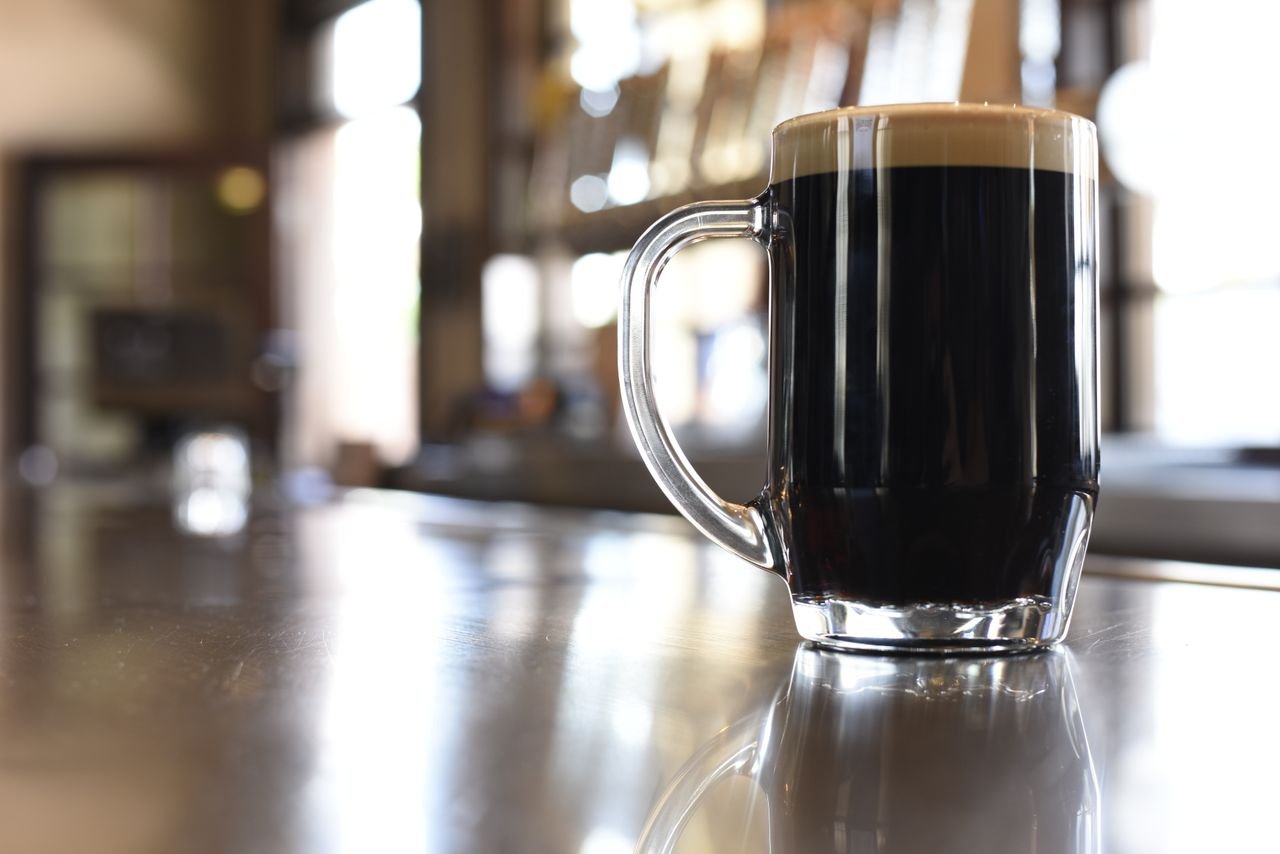
Quadrupel (Belgian Dark Strong Ale)
The biggest beer in the Trappist repertoire — though “quad” is more of an informal American term; the Belgians simply call it “Special” or “Extra”:
| Spec | Range |
|---|---|
| ABV | 8.0–12.0% |
| IBU | 20–35 |
| Color | Deep brown |
| Flavor | Rich dark fruit, molasses, vanilla, complex warmth |
Westvleteren 12, the beer rated as one of the world’s finest, is a quadrupel. It’s only available at the monastery itself or in rare allocations — which has made it legendary.
Saison (Farmhouse Ale)
Saison is one of Belgium’s great rustic traditions — a farmhouse ale historically brewed in winter for consumption by farm workers in summer. Modern saison is a diverse and somewhat loosely defined style, but the core character is:
- ABV: 5.0–8.5%
- IBU: 20–35
- Color: Pale gold to amber, often hazy
- Flavor: Peppery yeast, fruity esters, dry finish, earthy hops, refreshing bitterness
- Body: Light to medium, highly carbonated
Dupont Saison is the classic reference point. American craft brewers have embraced saison enthusiastically, creating everything from hop-forward versions to dark and spiced interpretations. Our dedicated guide to what is a saison covers the style in full detail.
Belgian Blonde Ale
The Belgian blonde is a more restrained, approachable entry point into Belgian ales:
- ABV: 6.0–7.5%
- IBU: 15–30
- Flavor: Light honey, mild fruit, gentle spice, soft bitterness
- Body: Medium
Think of it as tripel’s lighter sibling — all the yeast character at lower intensity and ABV.
Belgian Witbier
The Belgian white beer deserves mention here though we covered it fully in the wheat beers guide. It’s the most widely consumed Belgian-style beer globally, thanks to the international success of brands like Hoegaarden and Blue Moon.
- ABV: 4.5–5.5%
- Flavor: Orange peel, coriander, soft wheat
- Defining trait: Unmalted wheat, spiced recipe
Belgian Strong Pale Ale
Distinct from tripel, the Belgian strong pale ale (Delirium Tremens, Duvel) is drier and more hop-forward:
- ABV: 7.5–9.5%
- IBU: 20–30
- Flavor: Fruity, dry, mild bitterness, light spice
Duvel is perhaps the world’s most famous example — it earned UNESCO recognition as part of Belgium’s intangible cultural heritage, a fact CraftBeer.com notes with appropriate reverence.
Belgian Lambic and Sour Ales
Belgium’s wild-fermented traditions (lambic, gueuze, Flanders red, Oud Bruin) are covered fully in our sour beers guide. These are distinct enough to deserve their own category — though they’re proudly Belgian.
Glassware and Serving
Belgian beers are typically served in distinctive glassware: chalices and goblets for Trappist ales, tulip glasses for saisons and strong ales, weizen glasses for witbier. BeerAdvocate recommends serving Belgian strong ales at 50–55°F to allow full aroma expression.
The Brewers Association has noted Belgian-influenced styles as one of the most actively growing craft segments in the United States, with American interpretations adding local hops and ingredients to classic Belgian frameworks.
Belgian Beer in Context: UNESCO and Cultural Heritage
Belgium’s beer culture was inscribed on UNESCO’s Intangible Cultural Heritage list in 2016 — a recognition that brewing is woven into the country’s social and cultural fabric at a deep level. With over 1,500 different beers commercially available from more than 300 breweries, Belgium produces a per-brewery style variety that no other country approaches.
The Zythos Bierfestival, held annually in Leuven, is one of the best events in the world for sampling the full breadth of Belgian brewing in a single weekend.
Tips for Exploring Belgian Styles
If you’re approaching Belgian beer seriously for the first time:
- Start with witbier or Belgian blonde — approachable, 4.5–7% ABV, gentle yeast character
- Move to a saison — drier and spicier, but not overwhelming
- Try a dubbel — dark fruit and caramel; shows the other side of Belgian yeast
- Tackle a tripel — golden strength; this is where many people fall in love with the style
- Graduate to a quad or Trappist beer — the full expression of Belgian monastic tradition
Belgian beers are almost universally served in their own branded glassware — chalices, goblets, tulips, and specialty cups. BeerAdvocate’s Belgian section catalogs the full range with community ratings and recommended examples for each sub-style.
The Brew Professor Takeaway
Belgian beer culture is one of humanity’s great brewing achievements — a small country with an enormous catalog built on yeast character, monastic tradition, and a deeply held belief that beer deserves the same reverence as wine. Starting with a witbier or blonde and working your way toward a Westvleteren 12 is one of beer’s great educational journeys.