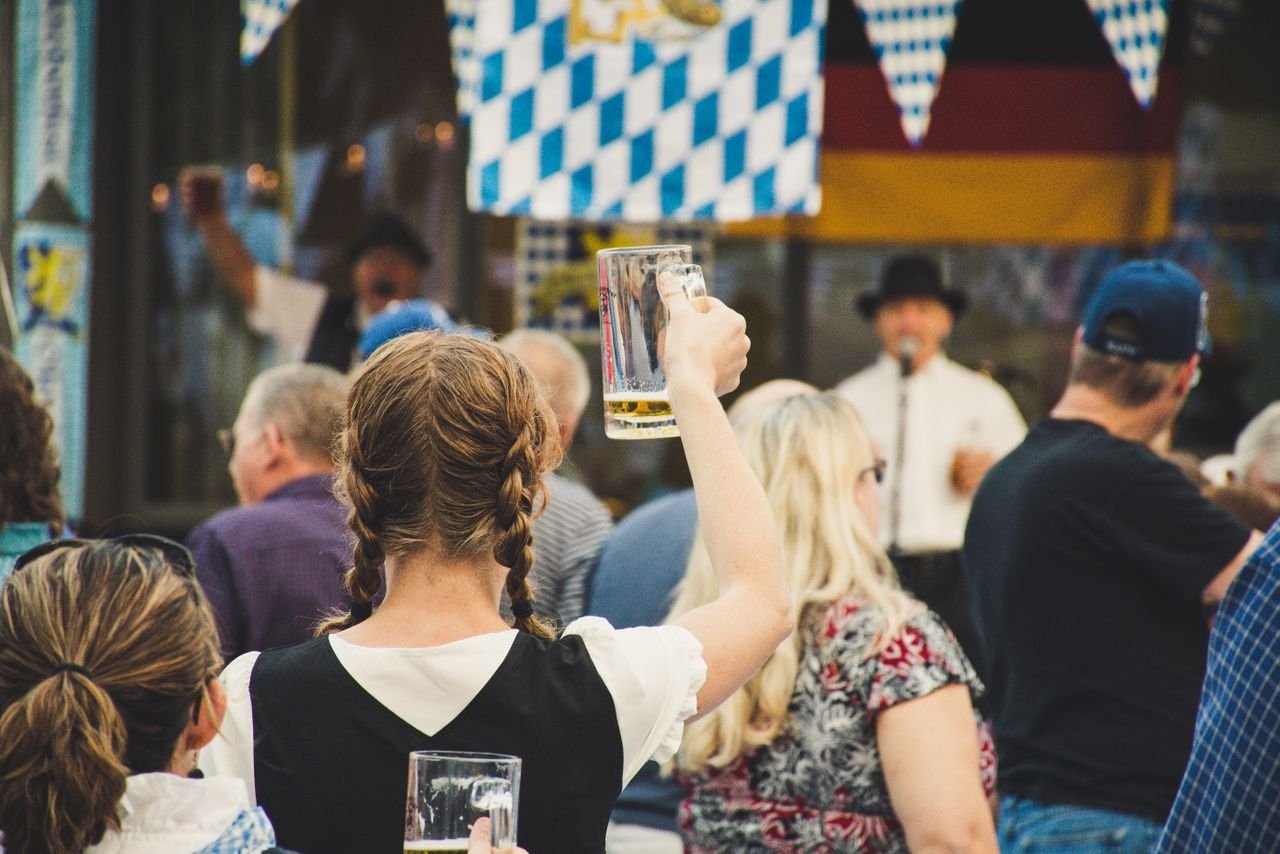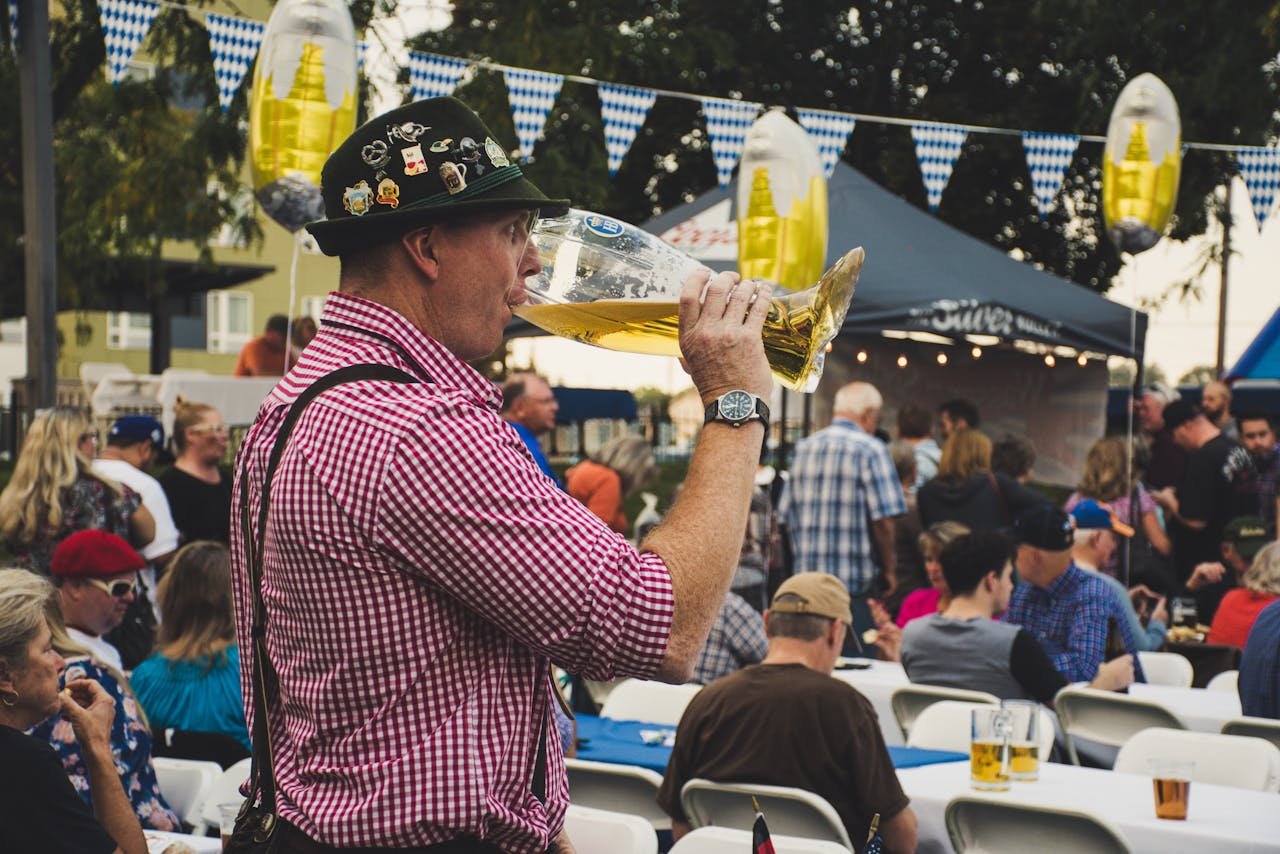
Oktoberfest gets the headlines, but Europe’s beer festival calendar stretches far beyond Munich. From the Czech Republic’s pilsner heartland to Denmark’s cutting-edge craft scene, from British cask ale celebrations to Belgian lambic weekends, the continent offers an extraordinary range of experiences for the beer-motivated traveler. In 2026, here’s where the festivals worth building a trip around are happening, region by region.
Germany: Beyond the Tents
Oktoberfest dominates the conversation, but Germany has a rich secondary calendar. The official Munich festival runs September 19 to October 4, 2026, but several regional events deserve attention:
Cannstatter Volksfest — Stuttgart (late September/October) Often called “Stuttgart’s Oktoberfest,” Cannstatter Volksfest is Germany’s second-largest folk festival. The atmosphere is more local, the crowds slightly more manageable, and the beer — primarily from Swabian breweries including Dinkelacker, Schönbuch, and Stuttgarter Hofbräu — reflects a regional character you won’t find in Munich. Held at the Cannstatter Wasen fairground, it runs for 17 days annually.
Düsseldorf’s Altbier Scene (year-round) Düsseldorf isn’t a festival per se, but its Altbier culture — centered on the Altstadt’s traditional brewpubs serving copper-colored, top-fermented alt — creates a perpetual pub crawl atmosphere. The four main Hausbrauereien (Füchschen, Schumacher, Uerige, and Schlüssel) each serve their house alt directly from wooden casks.
Czech Republic: The Pilsner Homeland
The Czech Republic gave the world its most influential beer style, and Bohemia’s brewery towns are pilgrimage territory for anyone who loves lager. Pilsner Urquell in Plzeň (Pilsen) runs year-round tours of its historic underground cellars and unfiltered cellar beer experiences — one of the great beer experiences in Europe regardless of the season.
Czech Beer Festival — Prague (May) The Czech Beer Festival in Prague, typically held over 17 days in May, assembles 70 or more Czech breweries on a large tented fairground in Letňany. Traditional Czech lagers, unpasteurized tanks, and specialty releases dominate. Czech pub culture prizes quality over spectacle: fresh beer, well-served, in a glass that’s actually been rinsed.
United Kingdom: Cask Ale Country
CAMRA (the Campaign for Real Ale) organizes a national calendar of beer festivals, with the Great British Beer Festival as the flagship. For 2026:
Great British Beer Festival — London (August) Held at Olympia London, GBBF is the world’s largest cask ale festival. Thousands of real ales, ciders, and perries from hundreds of UK breweries fill the exhibition hall for five days. The international pavilion adds European and American craft beers to the mix, making it genuinely educational as well as enjoyable.
CAMRA Regional Festivals CAMRA runs over 200 local and regional festivals throughout the year across England, Scotland, and Wales. Many are held in unusual venues — railway arches, historic pubs, town halls. Check the full calendar on camra.org.uk to find events near wherever you’re traveling. These smaller events are often more relaxed than GBBF and sometimes surface extraordinary local producers.
Belgium: Lambic and Abbey Ales
Belgium’s festival calendar is covered in depth in our Belgian beer festivals guide, but the standout event for 2026 is Zythos Bierfestival in Sint-Niklaas (late April) — the country’s largest consumer beer event and the best single showcase of Belgian brewing diversity you’ll find anywhere.
Denmark and Scandinavia: The New Craft North
Scandinavia punches well above its weight in global craft brewing, and Denmark in particular has earned a reputation as one of the most innovative beer countries in the world, largely driven by Mikkeller’s global influence.
Copenhagen Beer Celebration (May) Run by Mikkeller, this tightly curated two-day festival assembles an international selection of craft breweries for one of the most exciting tasting events in Europe. Tickets are highly limited and sell out almost instantly, but the effort to secure one is worth it. Beers poured here are often one-of-a-kind collaborations.
Netherlands: Craft on the Rise
The Netherlands has developed a strong craft brewing culture over the past decade. The Dutch Beer Festival (held in Amsterdam in October) and various regional events showcase a scene that’s grown from near-zero to several hundred independent breweries in under fifteen years. Utrecht and Amsterdam both have vibrant beer bar scenes for between-festival exploration.
Italy: An Underrated Craft Scene
Italy’s craft beer movement is one of Europe’s fastest-growing and most distinctive. Italian craft brewers have embraced unconventional ingredients — local fruits, chestnuts, herbs, local yeast strains — to create a national style that is genuinely unlike anything produced elsewhere. Eurhop (typically held in Rome in autumn) and Beer Attraction in Rimini (February) are the key Italian trade and consumer events.
For the beer tourist, a visit to Italian craft breweries can slot naturally into a broader food and wine itinerary. Florence, Rome, and Milan all have dedicated craft beer bars worth seeking out.
Spain and Portugal: Emerging Festival Culture
Spain has a long mainstream lager culture dominated by Mahou, Estrella, and others, but its craft scene has matured considerably over the past decade. Barcelona Beer Festival (typically March) is the flagship event, assembling Spanish and international craft breweries at the Fira de Barcelona for three days of tasting. Portugal, led by a handful of innovative Lisbon-based breweries, has a smaller but growing festival circuit.
Tips for Multi-Country European Beer Travel
If you’re building a European beer itinerary around festivals:
- Rail travel is the smart choice. Trains connect Brussels, Amsterdam, Cologne, Frankfurt, and Paris in under four hours. The Prague-Munich corridor is easily done overnight. A Eurail pass makes multi-country hopping efficient.
- Accommodation book early. Oktoberfest Munich and GBBF London both cause local hotel prices to spike significantly. Book three to six months ahead.
- Leverage the festival community. BeerAdvocate’s European forum and Untappd both have active communities of European beer travelers who share current recommendations.
- Know the local serving norms. Czech pubs refill your glass automatically until you place a coaster on top. Belgian cafés expect you to specify the glassware. German tent waitstaff carry up to ten liters at once — tip generously.
- Respect the culture. Whether it’s Bavarian Tracht at Oktoberfest or ordering the local cask ale in a CAMRA pub, engaging with the local beer tradition rather than imposing your preferences on it produces consistently better experiences.
Planning a European Beer Trip: Region by Region
| Region | Key Festival | Typical 2026 Timing | Best Base City |
|---|---|---|---|
| Germany | Oktoberfest / Cannstatter Volksfest | Sept–Oct | Munich / Stuttgart |
| Czech Republic | Czech Beer Festival Prague | May | Prague / Plzeň |
| United Kingdom | Great British Beer Festival | August | London |
| Belgium | Zythos Bierfestival | Late April | Ghent / Brussels |
| Denmark | Copenhagen Beer Celebration | May | Copenhagen |
Use Untappd to track beers across multiple countries and find brewery ratings before you arrive in a new city. BeerAdvocate’s Europe section is also useful for pub and brewery recommendations by city.
The Brew Professor Takeaway
Europe’s beer festival landscape is both wider and deeper than most travelers realize. Oktoberfest is worth experiencing once, but the Czech Beer Festival, GBBF, and the Copenhagen Beer Celebration each offer something distinct — and the spontaneous pleasures of a Düsseldorf Altbier pub crawl or a Bruges beer bar are just as valid as any ticketed event. Build your 2026 European beer itinerary around what you most want to drink, then layer in the culture around it. The festivals hub has deeper dives into each of these regions and events.