No debate in modern craft beer is more spirited — or more useful — than hazy versus West Coast IPA. Both styles center on hops, both claim the IPA banner, and both have devoted fanbases who will tell you the other camp is doing it wrong. But these aren’t two camps fighting over the same territory: they’re genuinely different beers with different philosophies, different techniques, and different pleasures. Understanding what separates them makes you a sharper drinker — and makes choosing between them much easier.
The West Coast IPA: The Original Blueprint
West Coast IPA was the dominant craft beer style through most of the 1990s and 2000s. Born from breweries like Sierra Nevada, Russian River, and Stone in California, it defined what America meant by “hoppy beer” for nearly two decades.
Defining characteristics:
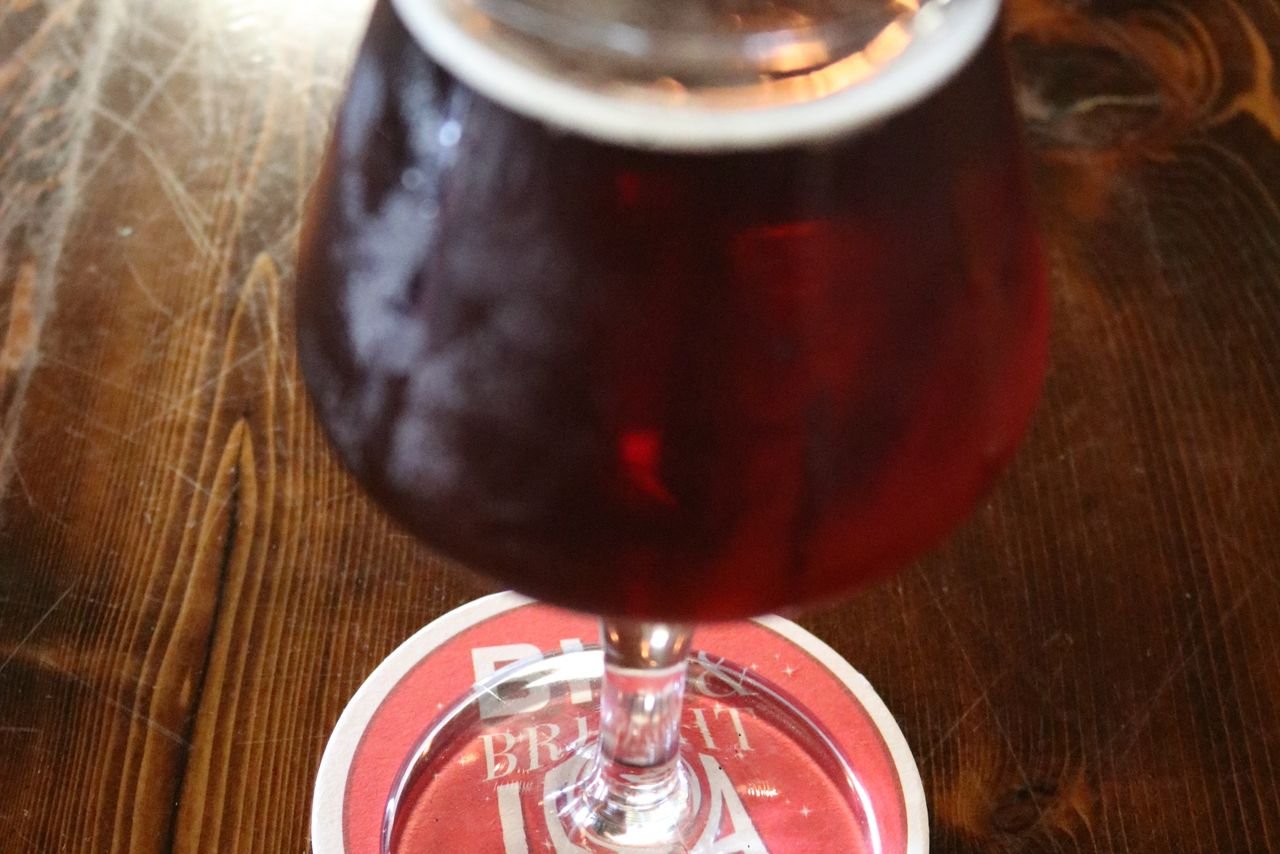
- Crystal-clear, golden to deep amber appearance
- High bitterness: 50–90+ IBU
- Dry, lean body with a bone-dry finish
- Prominent resinous, piney, and citrusy hop flavor (C-hops: Centennial, Cascade, Columbus)
- ABV: 6.0–7.5%
The West Coast approach treats bitterness as a primary flavor. Dry-hopping is used for aroma, but the real emphasis is on alpha-acid isomerization from early kettle additions. The result is a beer that announces itself with bitterness and finishes clean, with very little residual sweetness. According to the BJCP style guidelines, a textbook West Coast IPA should have a “medium-high to very high” bitterness perception and a “dry to medium-dry” finish.
Pale, crystal-clear malts — usually a simple bill of American two-row with minimal specialty grains — keep the malt profile invisible so the hops can dominate.
The Hazy IPA: A New England Revolution
The Hazy IPA (also called New England IPA or NEIPA) emerged in the early 2010s, largely credited to John Kimmich at The Alchemist in Vermont, whose Heady Topper became a cult obsession. The style broke almost every rule the West Coast had established.
Defining characteristics:
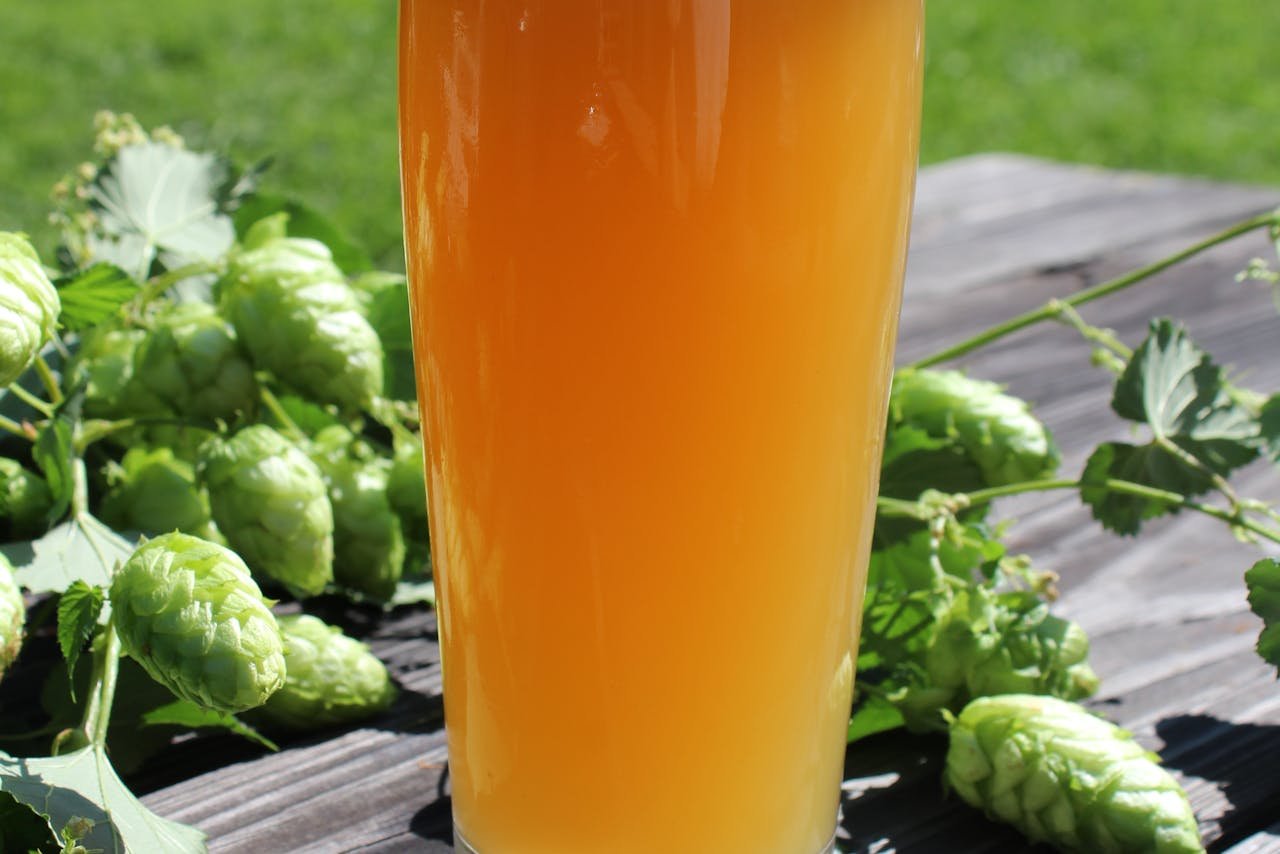
- Hazy to opaque appearance (sometimes described as “juice” or “smoothie”)
- Low perceived bitterness despite heavy hop loads: 20–60 IBU on paper, often tasting much less
- Full, pillowy, almost creamy mouthfeel
- Explosive tropical, stone-fruit, and citrus hop aroma and flavor (Mosaic, Citra, El Dorado, Strata)
- ABV: 6.0–8.0%
The haze comes from a combination of factors: high wheat and oat additions (often 20–40% of the grain bill), late-hopping and dry-hopping while the beer is still fermenting (biotransformation), and deliberate under-fining that leaves proteins and hop polyphenols in suspension. CraftBeer.com describes the style as prioritizing “aroma and flavor over bitterness,” which is exactly the inversion West Coast brewers would find baffling.
Water chemistry matters enormously here. Hazy IPAs benefit from low-sulfate, high-chloride water profiles that push softness over sharpness — the opposite of the sulfate-heavy Burton-on-Trent profile that British IPAs and many West Coast examples lean on. John Palmer’s water chemistry primer covers mineral additions and their effect on perceived hop character in accessible detail.
Head-to-Head Comparison
| Feature | West Coast IPA | Hazy / New England IPA |
|---|---|---|
| Appearance | Clear, golden to amber | Hazy to opaque, often orange-yellow |
| Bitterness | High (50–90 IBU) | Low-medium (20–50 IBU perceived) |
| Mouthfeel | Dry, lean, crisp | Full, soft, pillowy |
| Hop character | Pine, resin, citrus | Tropical, stone fruit, citrus, juice |
| Malt presence | Minimal, background | Soft, slightly sweet, supporting |
| Shelf life | Better — drier, more stable | Short — drink fresh (30–60 days max) |
| Key hop varieties | Cascade, Centennial, Columbus | Citra, Mosaic, El Dorado, Strata |
Bitterness: The Core Philosophical Difference
This is where the two camps truly diverge. West Coast IPA treats IBUs as a badge — the bitterness is present, intentional, and part of the experience. You’re meant to feel the hop character as a bite.
Hazy IPA makers argue that bitterness often obscures delicate hop aromas. By adding hops late (at flameout, during whirlpool, and extensively in dry hop), they maximize volatile aromatic compounds — the ones that smell and taste like mango, guava, or peach — while minimizing the iso-alpha acids that create bitterness. The result can have 80+ grams of hops per gallon but taste almost sweet.
Neither approach is wrong. They’re answering different questions about what hops are for. Hop variety databases maintained by suppliers like Yakima Chief Hops detail the oil content and aroma profiles that drive these two different flavor philosophies.
Freshness and Shelf Life
This is a practical consideration that matters enormously. West Coast IPAs, particularly those with aggressive bitterness and dry profiles, hold up reasonably well for 3–4 months when properly refrigerated. The bitterness acts as a kind of preservation mechanism.
Hazy IPAs are far more fragile. The aromatic compounds responsible for their tropical character — specifically monoterpenes like linalool and geraniol — oxidize quickly. A six-week-old hazy IPA can taste flat, cardboardy, or grassy compared to the same beer fresh off the tank. BeerAdvocate users consistently recommend drinking hazies within 30 days of canning. When in doubt, check the canning date rather than a “best by” date.
Which Should You Choose?
Your preference likely depends on your relationship with bitterness:
- If you love bold, assertive, clean bitterness that clears your palate and rewards a dry finish — West Coast is your style.
- If you prefer aromatic, fruit-forward, juice-like hop character without the bite — hazy is built for you.
- If you’re new to IPAs, hazy is often a gentler on-ramp; the tropical flavors are approachable, and the perceived sweetness is less intimidating than the resinous punch of a West Coast.
- If you’re pairing with food, West Coast’s dryness cuts through fatty or rich dishes better. Hazy’s softness plays well with mild cheeses, seafood, and fresh salads.
For a full picture of where these two styles fit among all IPA variants, our IPA styles explainer covers the full family from session to triple.
The Hybrid: West Coast-Hazy and Modern IPAs
A growing number of breweries are blurring the lines. The “West Coast-Hazy” or “Hazy West Coast” hybrid keeps the dry, bitter backbone of a West Coast IPA while incorporating some of the soft mouthfeel and tropical aroma of a NEIPA. It’s not a cop-out — it’s a genuine exploration of how these two philosophies can coexist.
The Brewers Association has tracked this trend, with more craft brewers listing “IPA” without sub-designation as they experiment with style blends. The lines are porous, and that’s a good thing for drinkers.
The Brew Professor Takeaway
West Coast IPA and hazy IPA are two distinct answers to the same question: what does a great hop-forward beer taste like? One is lean, clear, and bitter; the other is lush, cloudy, and aromatic. You don’t have to choose a side permanently — in fact, the most engaged beer drinkers tend to love both on the right occasion. When you’re craving clean crispness and a long dry finish, go West Coast. When the weather’s warm and you want your beer to smell like a fruit stand, pour yourself something hazy.