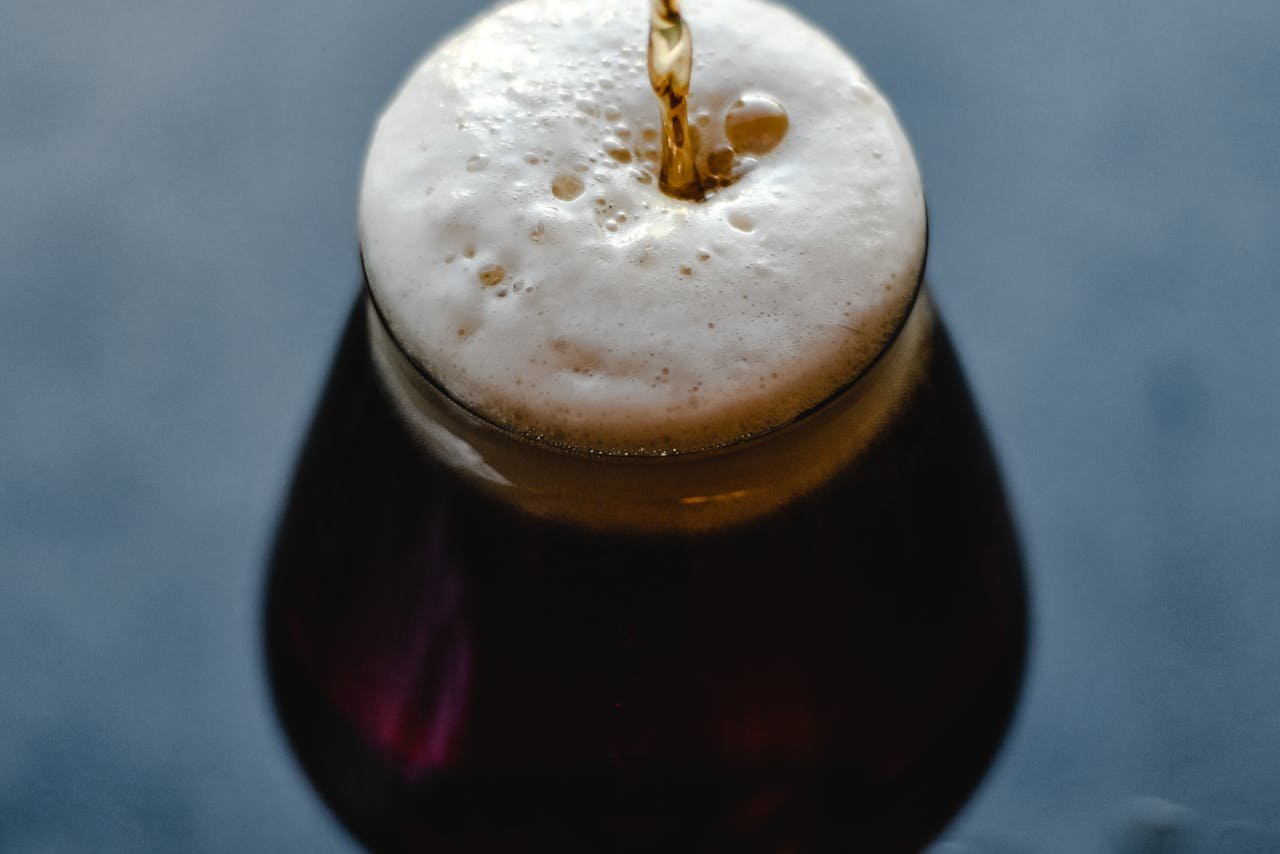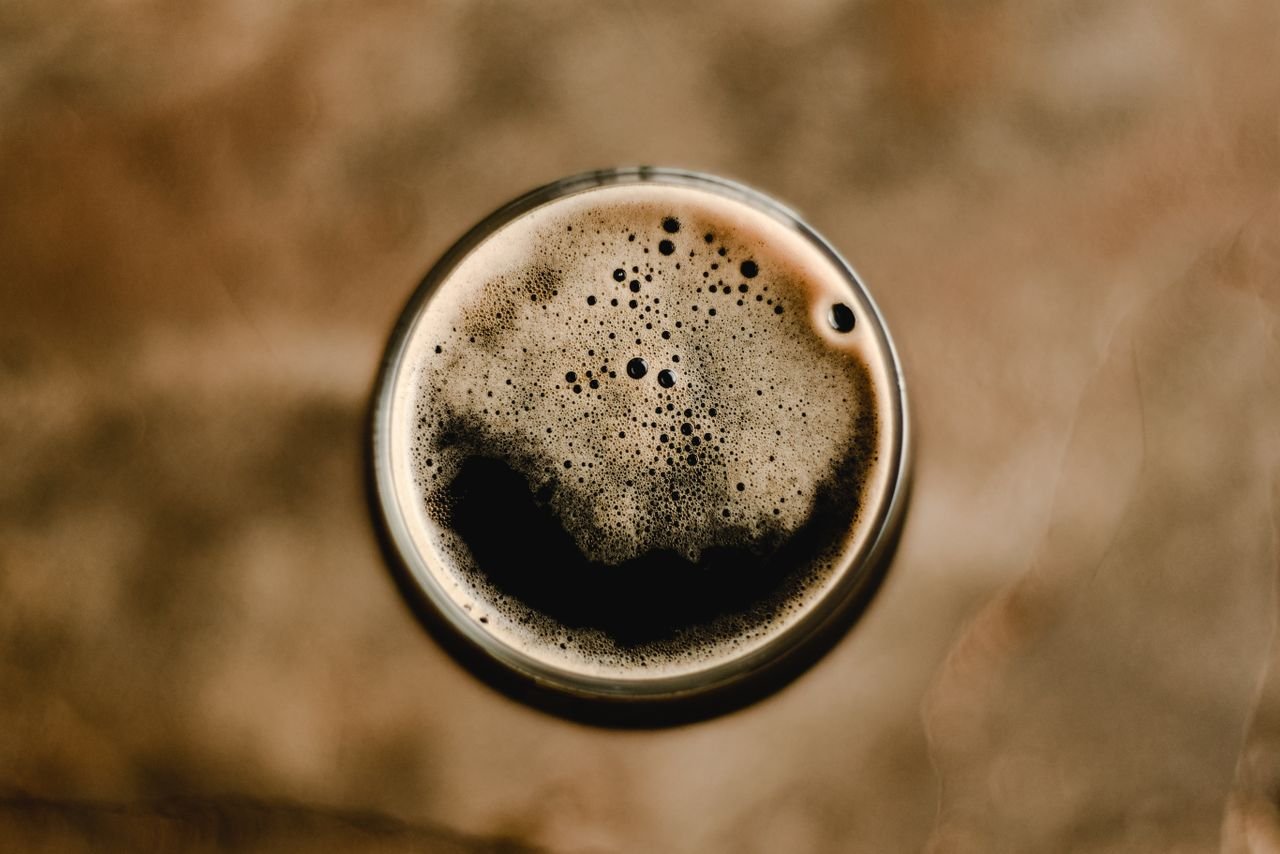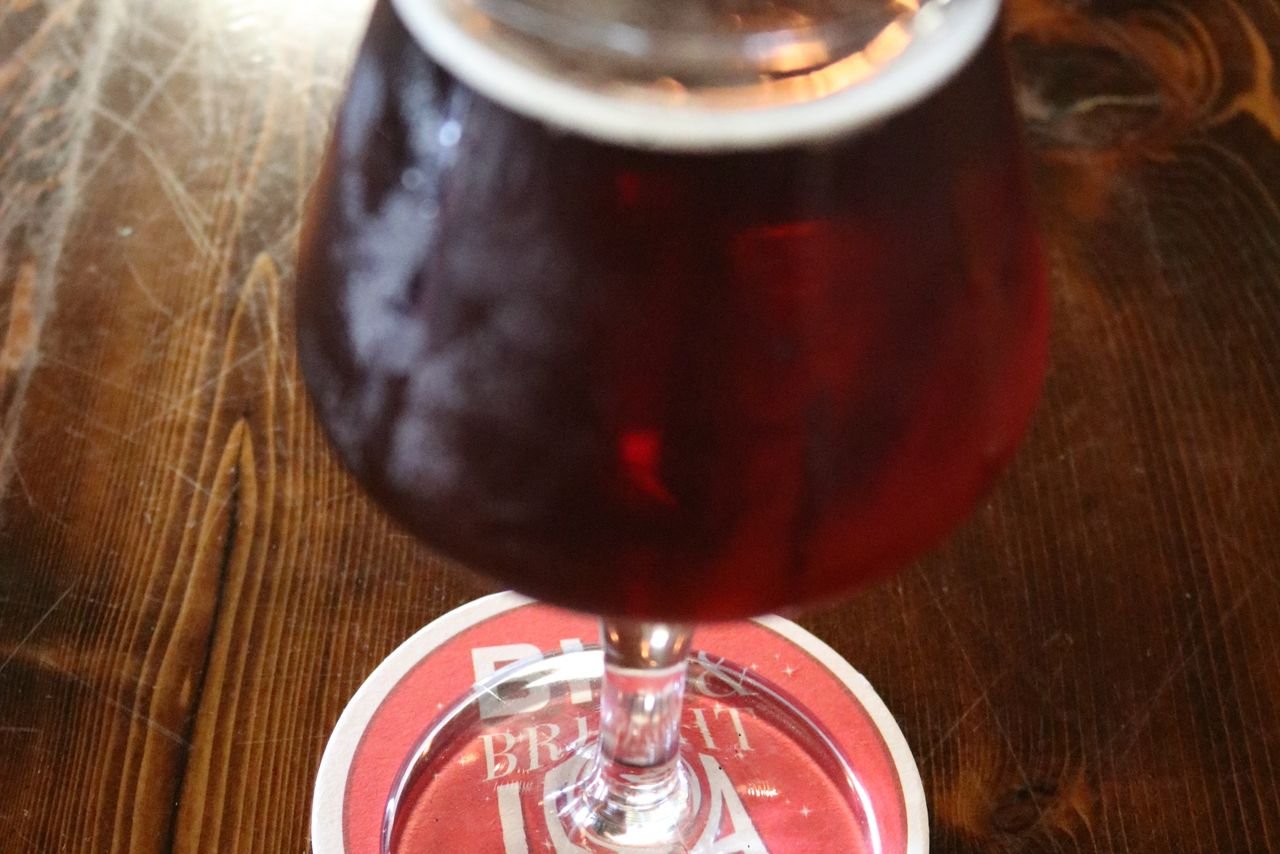
Walk into any bar, open any beer fridge, or scroll through any taproom menu — every beer you encounter falls into one of two fundamental categories: lager or ale. This single biological distinction, rooted in one specific organism, shapes the flavor, aroma, and character of almost every beer on the planet. Understanding it changes how you experience every beer you drink.
The One Thing That Actually Separates Them: Yeast
The lager vs ale split is entirely about yeast — specifically, which species of yeast does the fermentation and at what temperature it does its work.
Ale yeast (Saccharomyces cerevisiae) ferments at warmer temperatures, typically 60–75°F (15–24°C), and is known as a “top-fermenting” yeast because it tends to rise to the surface of the wort during fermentation. Ales have been brewed for thousands of years.
Lager yeast (Saccharomyces pastorianus) is a hybrid species developed in central Europe, likely by natural crossbreeding sometime in the 15th or 16th century. It ferments cold — typically 34–50°F (1–10°C) — and works more slowly. The word “lager” comes from the German lagern, meaning “to store,” referring to the cold conditioning period that follows fermentation.
The BJCP Style Guidelines organize their entire framework around this distinction, with separate sections for ales and lagers.
How Temperature Shapes Flavor
Temperature doesn’t just speed fermentation up or slow it down — it fundamentally changes what flavor compounds the yeast produces.
Ale yeast working at warm temperatures produces esters (fruity, floral compounds) and fusel alcohols (spicy, complex notes). This is why ales tend to taste more expressive, complex, and fruity — the yeast is an active contributor to the flavor.
Lager yeast at cold temperatures produces far fewer of these byproducts, resulting in a cleaner, crisper flavor where the malt and hops speak more clearly. A well-made lager is technically demanding precisely because there’s nowhere to hide flaws behind yeast character.
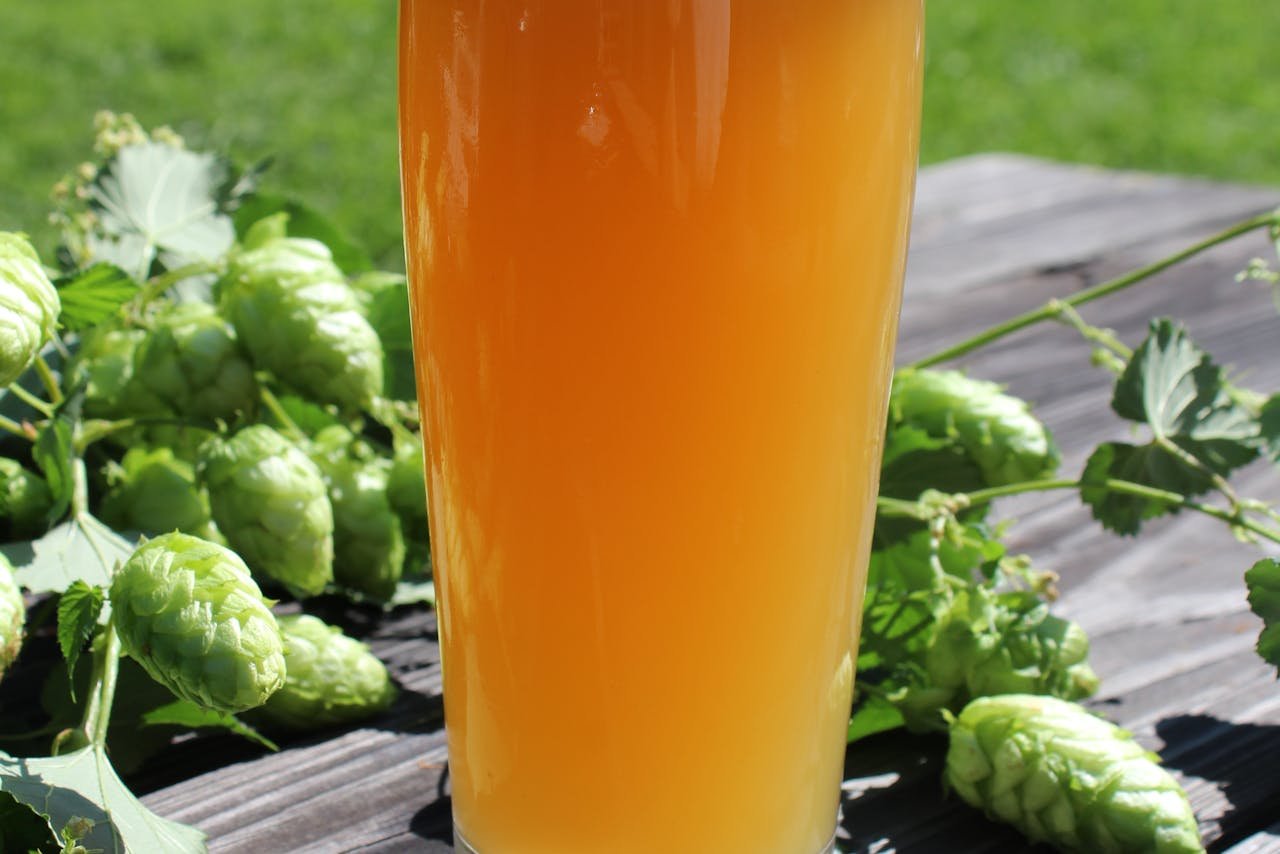
Common Ale Styles
Ales encompass a massive range of beer styles. The warm fermentation opens the door to enormous variety:
| Style | ABV Range | Character |
|---|---|---|
| Pale Ale | 4.5–6.2% | Hop-forward, golden |
| IPA | 6.0–7.5% | Bitter and aromatic |
| Stout | 4.0–6.0% | Roasty, dark |
| Wheat Beer | 4.3–5.6% | Hazy, fruity |
| Belgian Tripel | 7.5–9.5% | Spicy, golden |
| Porter | 4.8–6.5% | Chocolate, toasty |
The Brewers Association tracks hundreds of recognized ale styles in competition categories alone. If you’re new to the landscape, our beer style guide for beginners maps out the whole family tree.
Common Lager Styles
Lagers may have a narrower flavor range, but they represent the majority of beer consumed worldwide:
- Pilsner — Light, crisp, hoppy; the Czech and German originals are the style benchmarks
- Munich Helles — Soft, malt-forward, golden; gentle hop presence
- Märzen/Oktoberfest — Amber, toasty malt, medium bitterness
- Bock — Dark, rich, malty; higher ABV (6.3–7.2%)
- Doppelbock — Even more malt-forward and intense, 7–12% ABV
- American Lager — The light, adjunct-heavy mass-market style
It’s worth noting that when Pilsner Urquell first brewed its golden lager in Pilsen in 1842, it sparked a revolution — virtually every mass-market beer style today descends from that moment.
The “Top-Fermenting / Bottom-Fermenting” Myth
You’ll often hear ales described as “top-fermenting” and lagers as “bottom-fermenting.” This is mostly a historical oversimplification. While ale yeast does flocculate (clump) higher in the fermenter at certain stages, and lager yeast does tend to settle on the bottom, modern fermentation science focuses more on temperature range and yeast genetics than on where the yeast sits in the vessel.
The Master Brewers Association of the Americas offers excellent technical resources on fermentation science if you want to go deeper.
Hybrid Styles: When the Lines Blur
Some styles deliberately mix traditions:
- Kölsch — Brewed with ale yeast but lagered cold; produces a crisp, delicate beer that tastes almost like a lager
- California Common (Steam Beer) — Lager yeast fermented at ale temperatures; produces a beer with unusual fruity complexity for a lager
- Cream Ale — Sometimes made with lager yeast or adjuncts but marketed as an ale; smooth and light
These hybrids demonstrate that the lager/ale distinction, while scientifically real, produces a spectrum rather than two hermetically sealed categories. BeerAdvocate’s style guide catalogs these hybrid styles well.
The Fermentation Timeline Difference
Beyond flavor, lagers and ales differ significantly in how long they take to produce. Understanding this explains why well-made lager was historically a seasonal and premium product.
Ale fermentation timeline:
- Primary fermentation: 5–10 days
- Conditioning: 1–2 weeks
- Total: 2–4 weeks from grain to glass
Lager fermentation timeline:
- Primary fermentation: 10–14 days (cold, slow)
- Lagering (cold conditioning): 4–8+ weeks at near-freezing temperatures
- Total: 6–12+ weeks depending on the style
That lagering phase — storing the beer cold near 32–38°F — allows harsh flavor compounds to mellow, yeast to settle out completely, and the beer to develop its characteristic clean, smooth character. Cutting corners on lagering time is one of the most common causes of substandard lager. Homebrewers who want to tackle lager should plan their brewing calendar accordingly — our guide to how long it takes to brew beer breaks down style-by-style timelines.
Fermentation Vessels and Equipment
The temperature requirements for lager fermentation have historically been a barrier for homebrewers. You need reliable cold storage in the 34–50°F range — not just a corner of the basement. Options include:
- Dedicated refrigerator with temperature controller — the most common homebrewer solution
- Chest freezer with inkbird or Ranco controller — inexpensive and effective
- Fermentation chamber — for the serious brewer
Ale fermentation at room temperature is far more accessible, which is one reason most homebrewing recipes and kits target ale styles. The American Homebrewers Association estimates that ales vastly outnumber lagers in homebrew production, largely because of the temperature barrier.
Does One Taste “Better” Than the Other?
Neither. They’re different tools for different occasions and moods. A perfectly crafted pilsner on a hot day is one of the great sensory experiences in beer. So is a complex Belgian tripel at a winter table. CraftBeer.com makes the point eloquently: the question isn’t which is better, but which is right for the moment.
The best way to develop appreciation for both is to taste great examples of each. Start with a Czech pilsner, a Munich Helles, a classic pale ale, and a properly made dry stout — four beers that show you the range of what lager and ale yeast can achieve. You can track and rate your findings on Untappd, which makes it easy to compare notes across styles as you build experience.
The Brew Professor Takeaway
The lager vs ale distinction is the foundational taxonomy of the entire beer world — and it all comes down to one organism, two different temperature ranges, and the flavor compounds that result. Once you understand this split, the rest of beer style geography starts to make intuitive sense. Ales are expressive and yeast-driven; lagers are clean and ingredient-forward. Both, at their best, are extraordinary.