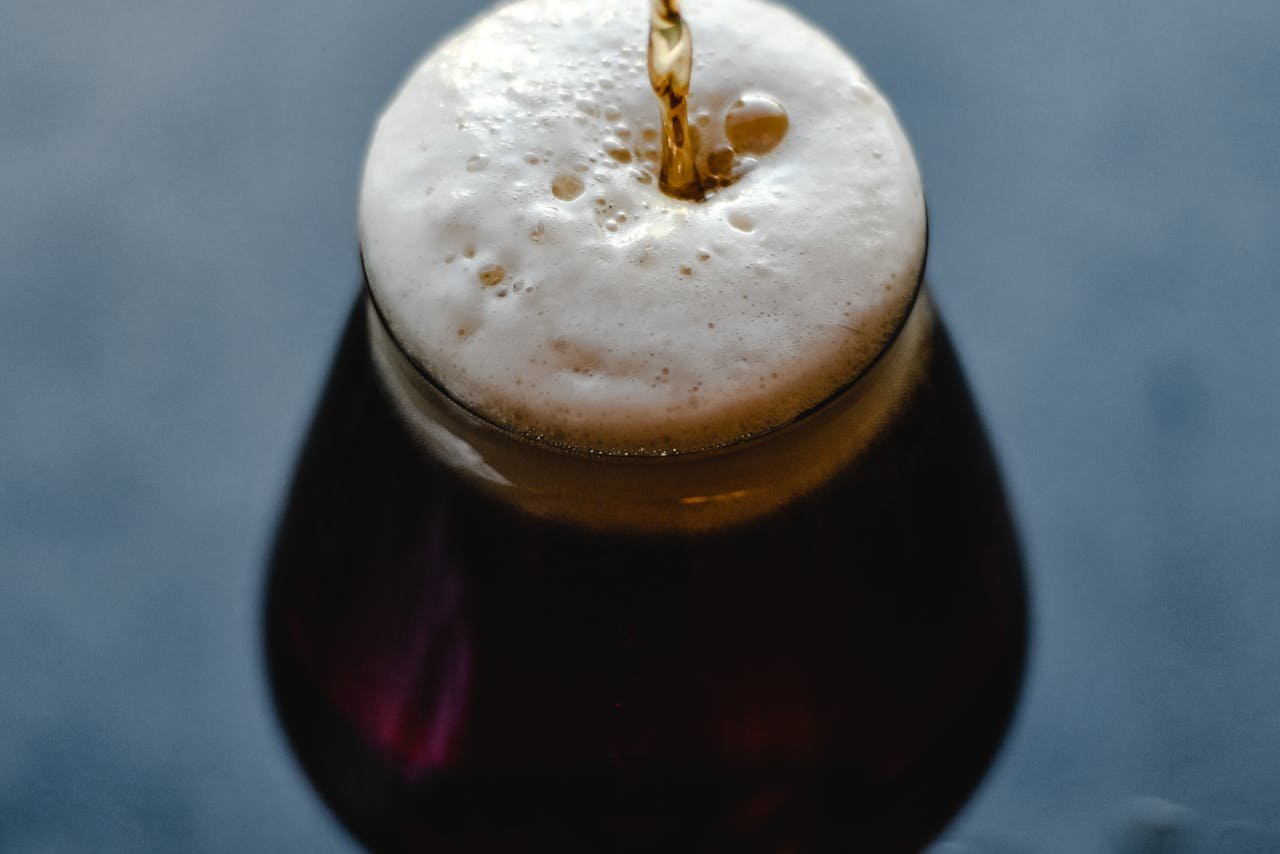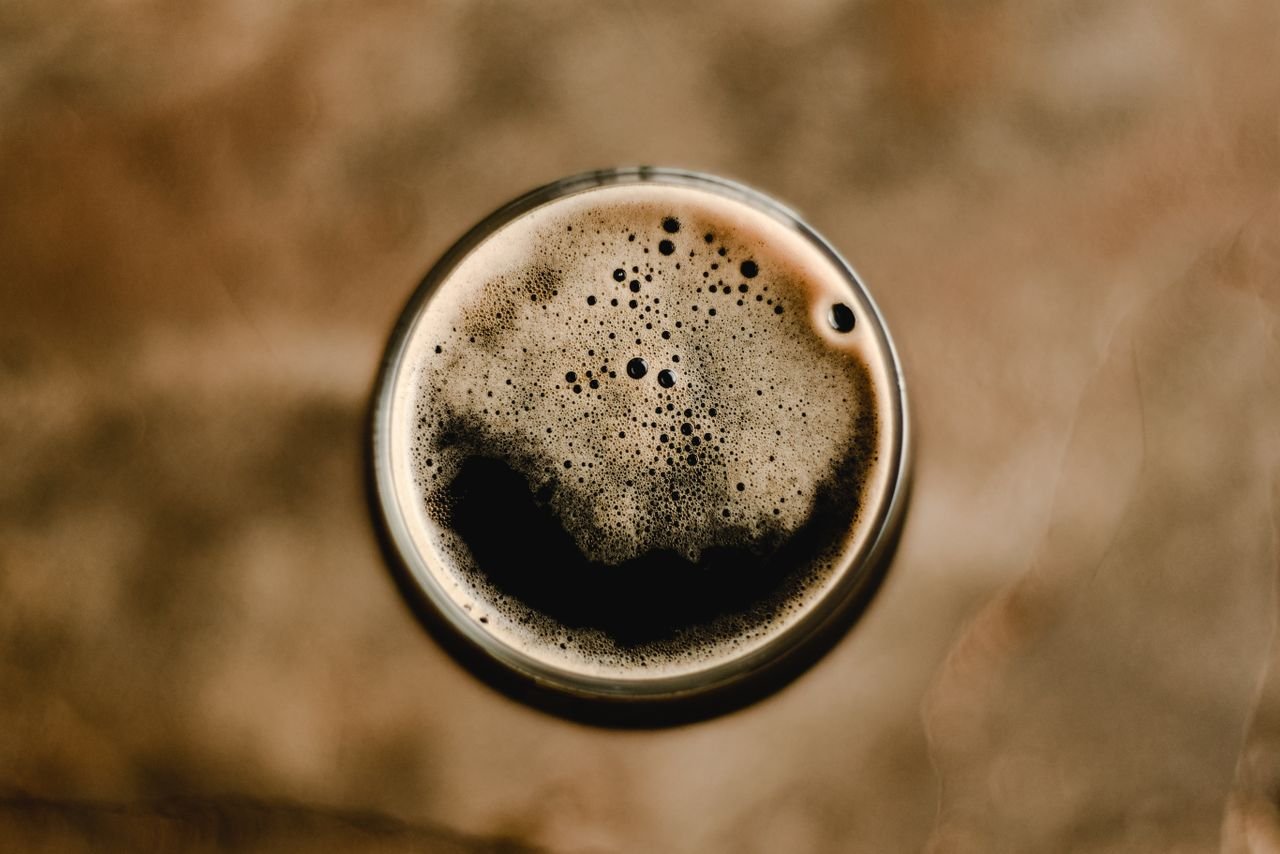
Beer is among the few foods that still follows the seasons — not out of necessity, as it once did for medieval monks and farmhouse brewers, but out of genuine pleasure. Certain styles taste best when the weather outside matches what’s in your glass: a crisp pilsner hits differently on a June afternoon than in January, and a velvety imperial stout earns its keep once the nights turn long and cold. Understanding seasonal beer styles doesn’t just make you a better drinker — it gives you a reason to look forward to every shift in the calendar.
Why Beer Has Seasons
Before refrigeration, brewing was literally a seasonal craft. Lager yeast required cold storage for months, so Bavarian brewers hammered ice into caves each winter and tapped the results in spring. Belgian farmhands brewed saisons in late winter to sustain field workers through summer. The calendar dictated what was available, and those rhythms became traditions that survive today as deliberate style releases.
The Brewers Association reports that seasonal and limited releases account for a significant share of craft brewery revenue, and drinkers actively anticipate them. Even if you can technically find a pumpkin ale in August, it tastes better when the air smells like fallen leaves.
Spring: Light, Lively, and Floral
Spring calls for beers that shake off winter’s heaviness without going fully into summer-light territory. The season’s showcase styles include:
- Märzen / Festbier – German tradition actually releases these malty lagers in spring, before the main autumn Oktoberfest stock. Light copper color, 5.0–5.8% ABV, gentle toasty sweetness.
- Maibock (Helles Bock) – A golden bock traditionally tapped on May 1st. Richer than a standard helles but cleaner than a doppelbock; 6.3–7.4% ABV with soft malt and noble-hop floral notes.
- Saison – Belgian farmhouse ales were historically brewed in winter for spring and summer consumption. Dry, peppery, often citrusy; 5.0–8.0% ABV. More on this style in our dedicated saison guide.
- American Wheat / Witbier – Light-bodied, hazy, with orange peel and coriander in the wit tradition; refreshing and very approachable at 4.5–5.5% ABV.
The hallmark of a great spring beer is a light enough body to feel refreshing as temperatures rise, but enough character to remind you winter is actually over.
Summer: Crisp, Refreshing, and Sessionable
Summer is the season of session drinking — lower ABV, high drinkability, styles that reward you for being outside. CraftBeer.com calls summer the “lager season,” and it’s not wrong.
- Kölsch – Germany’s Cologne-born hybrid (top-fermented, cold-conditioned) is straw-pale, delicately fruity, and clean; 4.4–5.2% ABV. Served in small 200ml Stangen glasses for peak freshness.
- Hefeweizen – A Bavarian wheat beer made for warmth; banana and clove esters from the yeast, 4.9–5.6% ABV, hazy and refreshing. Pour with a lemon — or don’t, purists hate it.
- Gose – A slightly sour, lightly salted wheat beer (originally from Goslar, Germany) that’s having its moment. The salt and tartness make it genuinely thirst-quenching in ways few beers can match.
- Session IPA – All the hop aroma of a proper IPA at 3.5–5.0% ABV. Citrus and tropical notes without the alcohol fatigue.
- Berliner Weisse – Tart, effervescent, and very low in alcohol (2.8–3.4% ABV). Traditionally served with raspberry or woodruff syrup. One of the BJCP’s few truly low-ABV recognized styles.
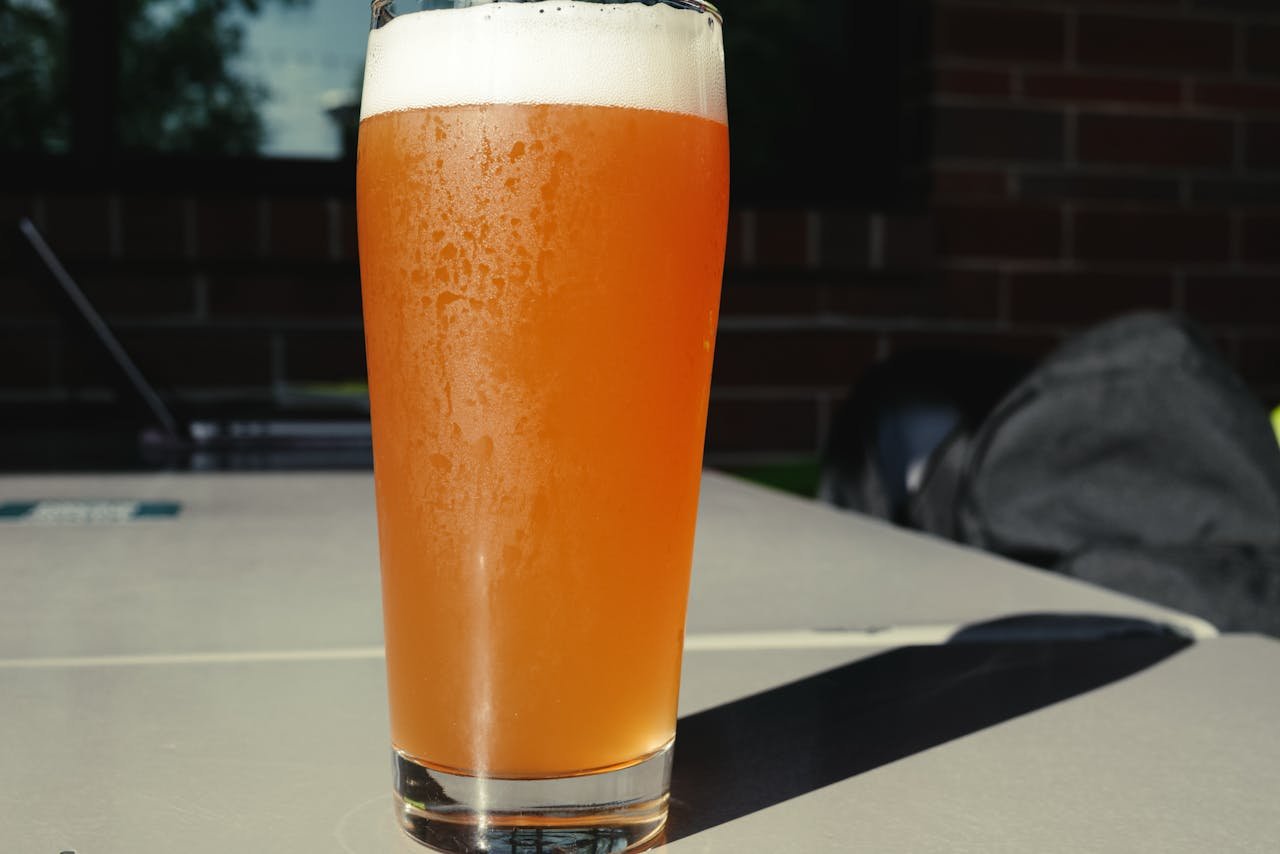
Autumn: Malty, Warming, and Harvest-Inspired
As days shorten and kitchens fill with roasting smells, beer pivots toward malt. Autumn is harvest season — not just for hops, but for the whole brewhouse mood.
- Oktoberfest / Märzen – The classic autumn release. Traditional Märzen is amber, 5.8–6.3% ABV, with toasty Munich malt. Modern festbier (as poured in the Munich tents) runs paler and slightly lighter. The original recipe traces back to the Spaten brewery in the 1870s.
- Pumpkin Ale – Love it or roll your eyes: pumpkin ales are an American autumn staple. At their best they’re amber ales with genuine winter squash character and restrained spice; 5.5–8.0% ABV.
- Wet-Hop / Fresh-Hop IPA – Released immediately after the late-summer/early-autumn hop harvest, these IPAs use undried hops for a uniquely grassy, dank, green-hop character. A true limited window.
- Brown Ale – English-style brown ales (4.2–5.9% ABV) shift into focus in autumn; nut, toffee, and light chocolate notes feel right with cooling weather.
This is also the season when your local craft brewery is most likely to drop a barrel-aged preview or a collaboration release timed for Oktoberfest crowd momentum.
Winter: Rich, Strong, and Contemplative
Winter is the season of the big beers. When the weather turns hostile, you want something that earns its own warming — and there’s a whole category of styles built for exactly that.
| Style | ABV Range | Key Flavors |
|---|---|---|
| Imperial Stout | 8–12%+ | Dark chocolate, espresso, dried fruit |
| Barleywine | 8–12% | Caramel, toffee, sherry-like, boozy warmth |
| Doppelbock | 7–10% | Rich melanoidin malt, plum, very little bitterness |
| Winter Warmer / Spiced Ale | 5–8% | Nutmeg, cinnamon, clove, brown sugar |
| Wee Heavy (Scotch Ale) | 6.5–10% | Toffee, peat (sometimes), whisky-adjacent warmth |
BeerAdvocate consistently rates winter releases among the highest-scoring seasonal beers simply because these styles reward complexity, and complexity takes time. Many drinkers cellar imperial stouts and barleywines purchased in winter for consumption one or two years later.
Winter also opens the door to barrel-aged beers — bourbon-barrel stouts, wine-barrel barleywines, and wild-fermented sours that have been quietly maturing since the previous year’s release.
Year-Round Styles Worth Knowing
Not every great beer is seasonal. Some styles thrive 365 days a year:
- Pale Ale and standard IPA carry any season without apology.
- Pilsner refreshes in summer and cleanses the palate after rich winter food.
- Porter bridges amber’s autumn and stout’s winter without fitting neatly into either.
- Amber / Red Ale falls in a comfortable middle ground that works spring through autumn.
The American Homebrewers Association encourages homebrewers to plan a seasonal brewing calendar — it’s a useful exercise that forces you to think about lead time, ingredient freshness, and which styles need lagering months versus quick-turnaround ales.
How to Build Your Seasonal Beer Rotation
A few practical tips for drinking better across the calendar:
- Pay attention to release dates. Craft breweries typically announce seasonal drops weeks in advance on Untappd and their own social channels.
- Buy fresh. Hop-forward summer beers (IPAs, Kölsch, wheat) degrade quickly — drink them within 60–90 days of canning.
- Cellar the big ones. Imperial stouts and barleywines often improve with 6–24 months of proper cellaring at 55°F / 13°C in a dark space.
- Use food as a bridge. Autumn’s pumpkin ales pair brilliantly with roasted squash; winter warmers stand up to braised short rib. Let the kitchen and the tap seasonal cycle reinforce each other.
- Explore lager seasons. The Siebel Institute of Technology notes that lager styles demand cold conditioning of 4–8 weeks — meaning most breweries start their spring lagers in winter. The patience is worth it.
The Brew Professor Takeaway
The calendar is not a constraint — it’s a menu. Brewing traditions from Bavaria to Belgium to the American craft scene have mapped flavors onto seasons with remarkable precision, and following that map is one of the most rewarding ways to explore beer. Chasing a Maibock in May, a wet-hop IPA in October, or a properly aged imperial stout on the darkest night of December is a seasonal ritual worth building. Your glass should change when the world does.