If hops are the seasoning and yeast is the cook, malt is the meal. Every color, every malt-derived flavor, every calorie in your beer — the toasty warmth of a brown ale, the inky bitterness of a stout, the bright golden clarity of a pilsner — traces back to grain. Understanding malt transforms you from someone following a recipe into a brewer who understands what the recipe is actually doing.
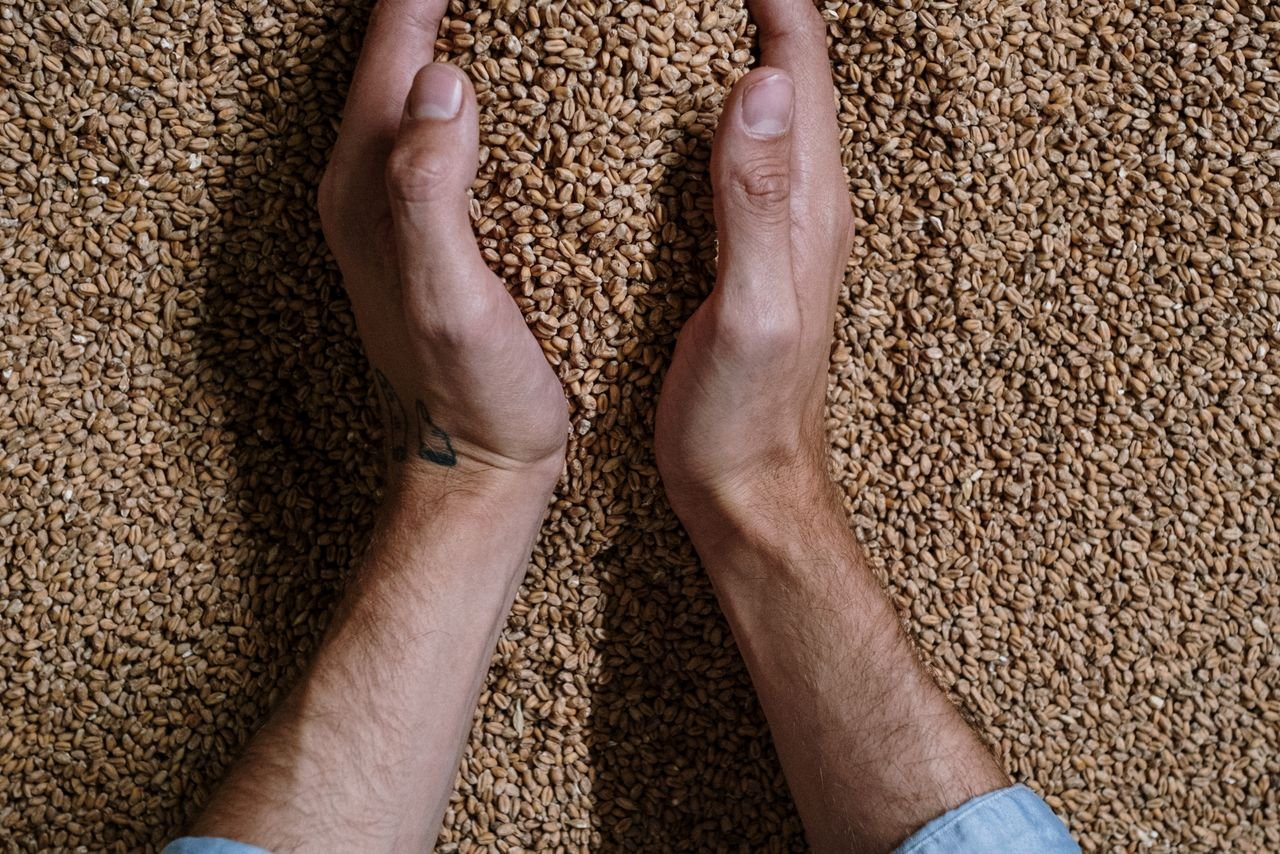
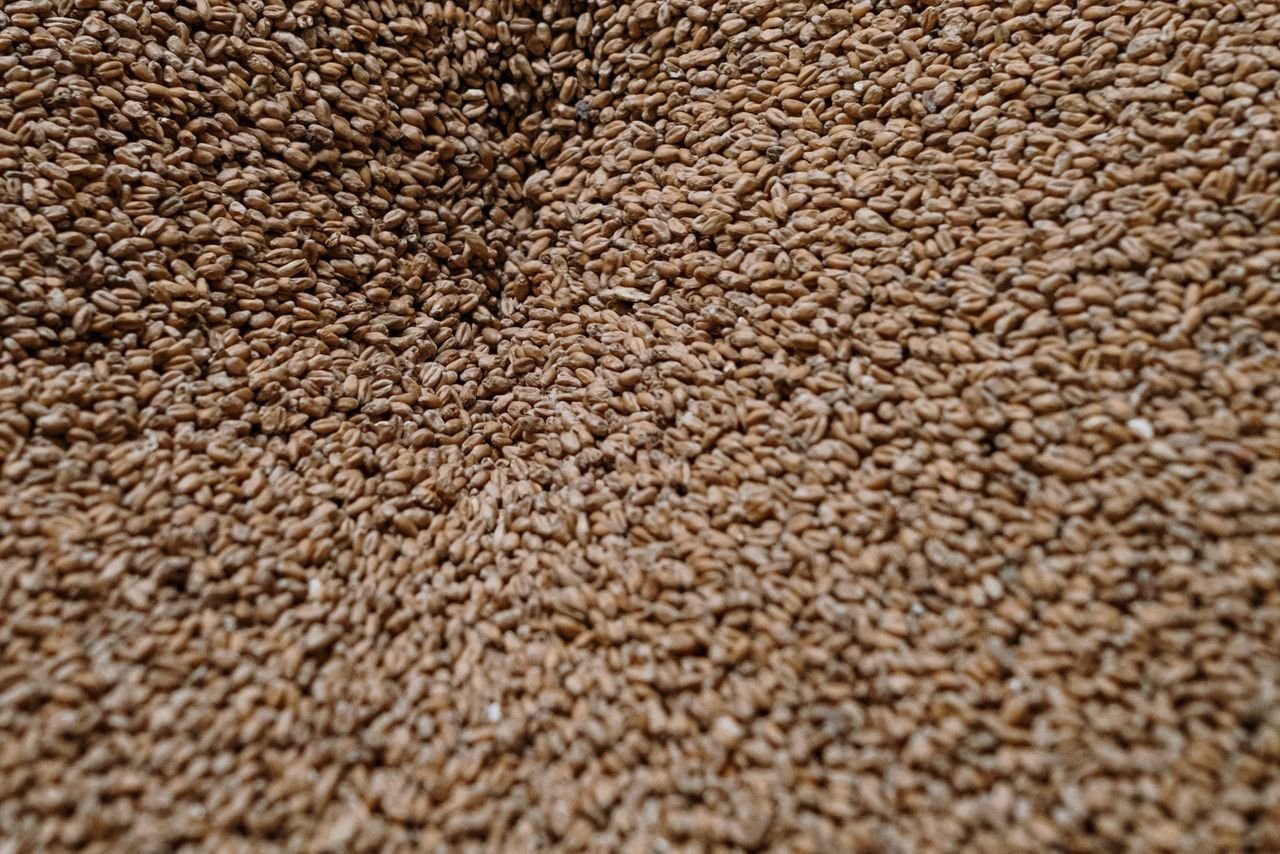
Malt is barley (or sometimes wheat, rye, oats, or other grains) that has been deliberately germinated and then dried in a kiln. That process — malting — activates enzymes in the grain and develops flavor precursors that determine everything from body to color to the specific sweetness in your finished beer.
How Malting Works
Barley in its raw form contains starches that yeast cannot ferment directly. Malting solves this problem. The grain is soaked in water (steeping), allowed to germinate for several days (green malt stage), and then dried in a kiln. The kilning temperature and duration determine what type of malt you end up with — from pale base malts dried at low temperatures to deeply roasted malts dried at temperatures exceeding 400°F. The malting process is covered in depth in the Wikipedia article on malting, which is a surprisingly thorough starting point for understanding the biochemistry involved.
During germination, enzymes called amylases develop inside the grain. These are the same enzymes that, during the mash, convert starch into fermentable sugars. Without enzymatic activity — which kilning at high temperatures destroys — grain cannot contribute fermentable sugar to your wort. This is why roasted malts (which have no enzymatic power) must always be used alongside a healthy portion of base malt.
The Brewers Association publishes style guidelines that reference malt character extensively, and BJCP style guidelines specify the expected malt flavors for every recognized beer style — both are valuable reading once you want to design recipes rather than just follow them.
Base Malts: The Foundation of Every Recipe
Base malts make up the bulk of any grain bill — typically 70–100% of the total. They have high enzymatic power and provide the fermentable sugar that yeast converts into alcohol. Common base malts include:
Two-row pale malt. The workhorse of American homebrewing. Mild, slightly bready, and enzymatically powerful enough to convert a substantial portion of adjuncts alongside itself.
Pilsner malt. Lighter in color and flavor than two-row, dried at lower temperatures to preserve more delicate grainy and slightly sweet notes. Essential for lagers and any beer where you want a bright, clean malt character.
Maris Otter. A traditional British variety prized for its rich biscuit and nutty flavor. Popular in English pale ales, bitters, and porters. It brings more character than American two-row and is beloved by brewers who want a malt-forward foundation. BeerAdvocate reviews of English ales frequently cite Maris Otter-forward character as a defining quality marker.
Vienna and Munich malts. Kilned at higher temperatures than pale or pilsner malts, these German base malts contribute toasty, bready, and slightly sweet flavors. Vienna is the backbone of Vienna lager; Munich is essential for Märzen and dunkel styles. They can be used as partial base malts (they have enough enzymatic power to convert themselves) or as flavor additions.
Specialty Malts: Color, Flavor, and Body
Specialty malts are used in smaller quantities — typically 5–25% of the grain bill — to add specific flavors, colors, and mouthfeel contributions. They fall into a few broad categories.
Crystal and caramel malts. These are kilned while still moist, which converts starches to sugars inside the husk before the grain is dried. The American Homebrewers Association frequently covers crystal malt usage in their recipe-building resources, noting that less is often more when it comes to adding body without excessive sweetness. The result is a glassy interior (hence “crystal”) containing non-fermentable sugars that contribute sweetness, body, and caramel-to-toffee flavors in the finished beer. Crystal malts are numbered by their color contribution in degrees Lovibond — Crystal 10L is pale and adds light sweetness, Crystal 80L contributes dark caramel and raisin notes. Use them judiciously; over-reliance on crystal malts produces a cloying, overly sweet beer.
Toasted and roasted malts. Higher kilning temperatures produce malts with nutty, biscuity, chocolate, and coffee flavors. Examples include:
- Biscuit malt / Victory malt — dry, toasty, biscuit-like
- Brown malt — rustic, nutty, historically important in English porters
- Chocolate malt — roasted, deeply chocolatey, and espresso-like; zero enzymatic power
- Black patent malt / Roasted barley — intensely roasted, acrid, and bitter at high percentages; the key ingredient in dry Irish stouts
Adjunct and specialty grains. Oats contribute silky body and a creamy mouthfeel — essential in oatmeal stouts and hazy IPAs. Wheat (malted or unmalted) adds protein haze and a soft, bready quality to hefeweizens and witbiers. Rye adds a spicy, grainy dryness beloved in American rye ales. CraftBeer.com has a useful style-by-style breakdown of which specialty grains are appropriate for each beer family.
Reading a Grain Bill
A recipe’s grain bill is a snapshot of its flavor intent. Here is how to decode one quickly:
| Malt | Typical % | What It Adds |
|---|---|---|
| Base malt (2-row, MO, Pilsner) | 70–100% | Fermentables, body, mild malt character |
| Vienna / Munich | up to 50% | Toasty, bready, malt-forward flavor |
| Crystal/Caramel (low L) | 5–15% | Light sweetness, golden color |
| Crystal/Caramel (high L) | 5–10% | Deep caramel, red/amber color |
| Chocolate / Black malt | 3–10% | Coffee, chocolate, color |
| Oats / Wheat / Rye | 10–20% | Haze, body, texture, specialty flavor |
Lovibond and SRM: Understanding Color
Malt color is measured in degrees Lovibond (°L). The more Lovibond, the darker the malt. Beer color is usually expressed in SRM (Standard Reference Method), which you can roughly predict from the combined Lovibond values of your grain bill. A pale golden lager might be 2–4 SRM; an American amber ale runs 11–17 SRM; a dry Irish stout can hit 35–40 SRM. This color prediction system is covered in detail on How to Brew and is built into most recipe calculators.
Whole Grain vs. Pre-Milled vs. Malt Extract
All-grain brewing means mashing crushed grain yourself. Pre-milled grain from a homebrew shop simplifies the process — most shops will mill grain for you at no charge when you buy it. Malt extract (liquid or dry) is pre-mashed malt in concentrated form, requiring no mash step and making brewing faster. Extract produces excellent beer, though it offers less flavor control than all-grain. The all-grain vs. extract brewing article covers that trade-off in detail.
Freshness matters for both. Buy only as much pre-milled grain as you plan to use within a few weeks; malt oxidizes after milling and stale grain makes flat-tasting beer. Whole grain keeps for months in a cool, dry, sealed container. The Master Brewers Association of the Americas publishes technical guidance on grain storage best practices that applies directly to homebrewing scale.
The Brew Professor Takeaway
Malt is not just “the sugar source.” It is the primary driver of your beer’s color, body, mouthfeel, and the warm, layered flavors that distinguish a great amber ale from a thin pale one. Learning to read a grain bill — understanding why a recipe calls for 10% Crystal 60L or a handful of black patent — is the foundation of recipe design. Taste your raw malts before brewing; your palate will immediately connect the crunchy, caramel-sweet crystal grain in your hand to the toffee note in your finished beer. That direct sensory understanding, more than any formula, is how you internalize malt.