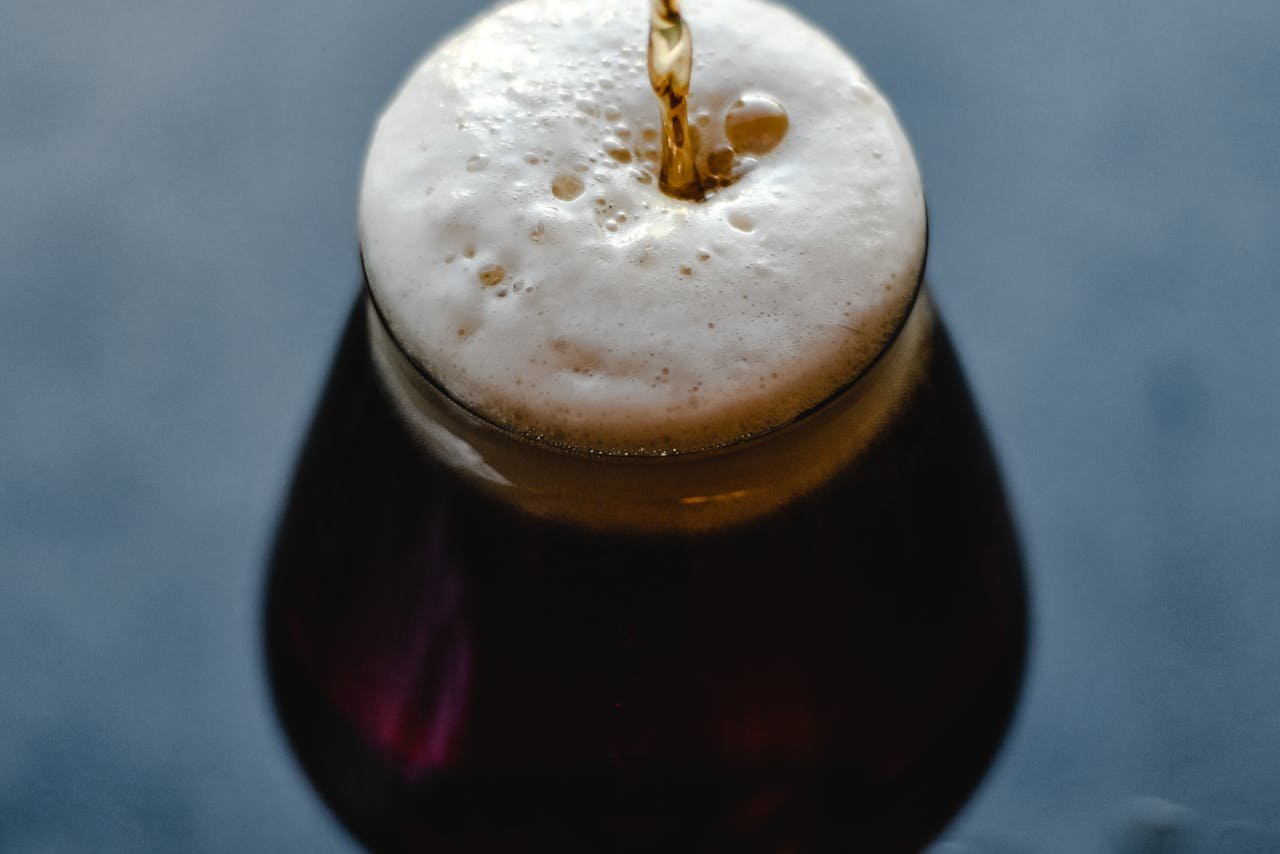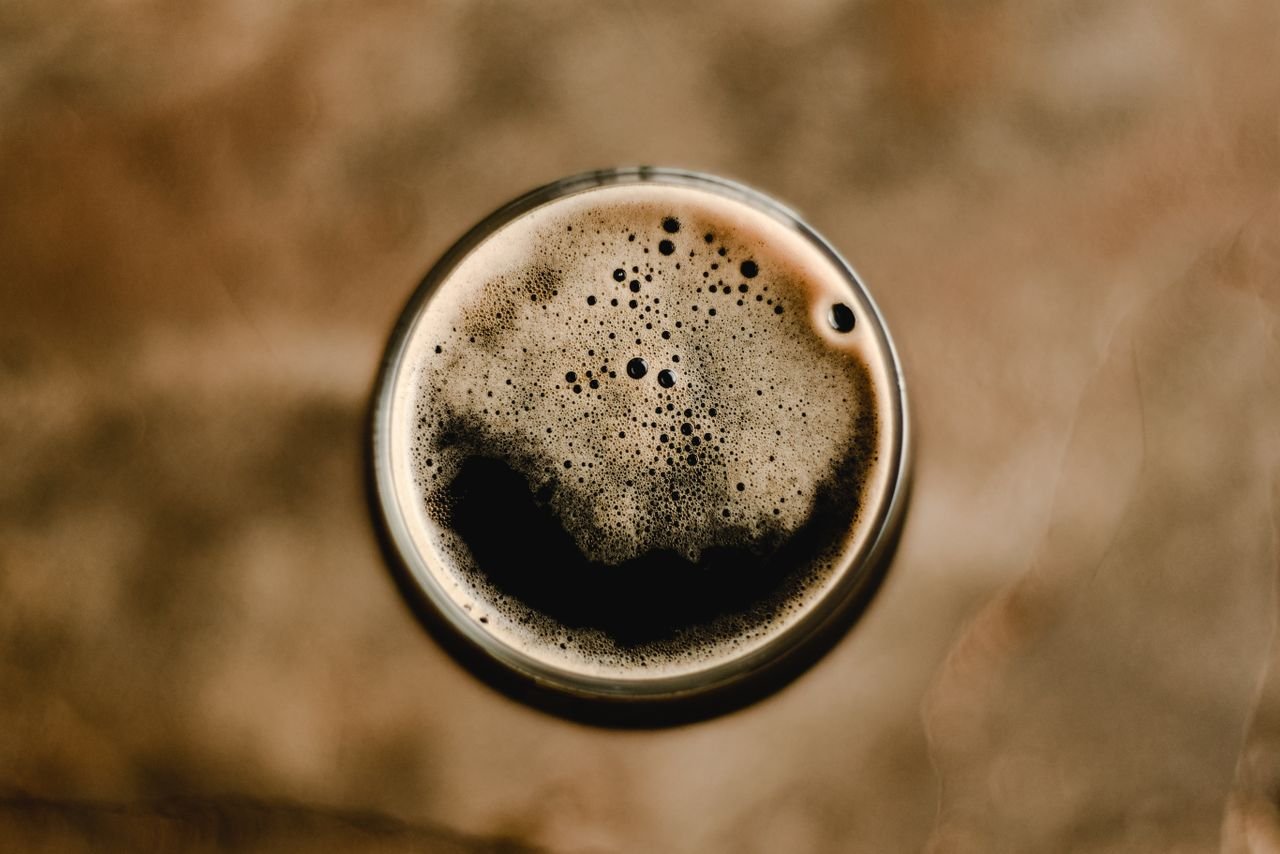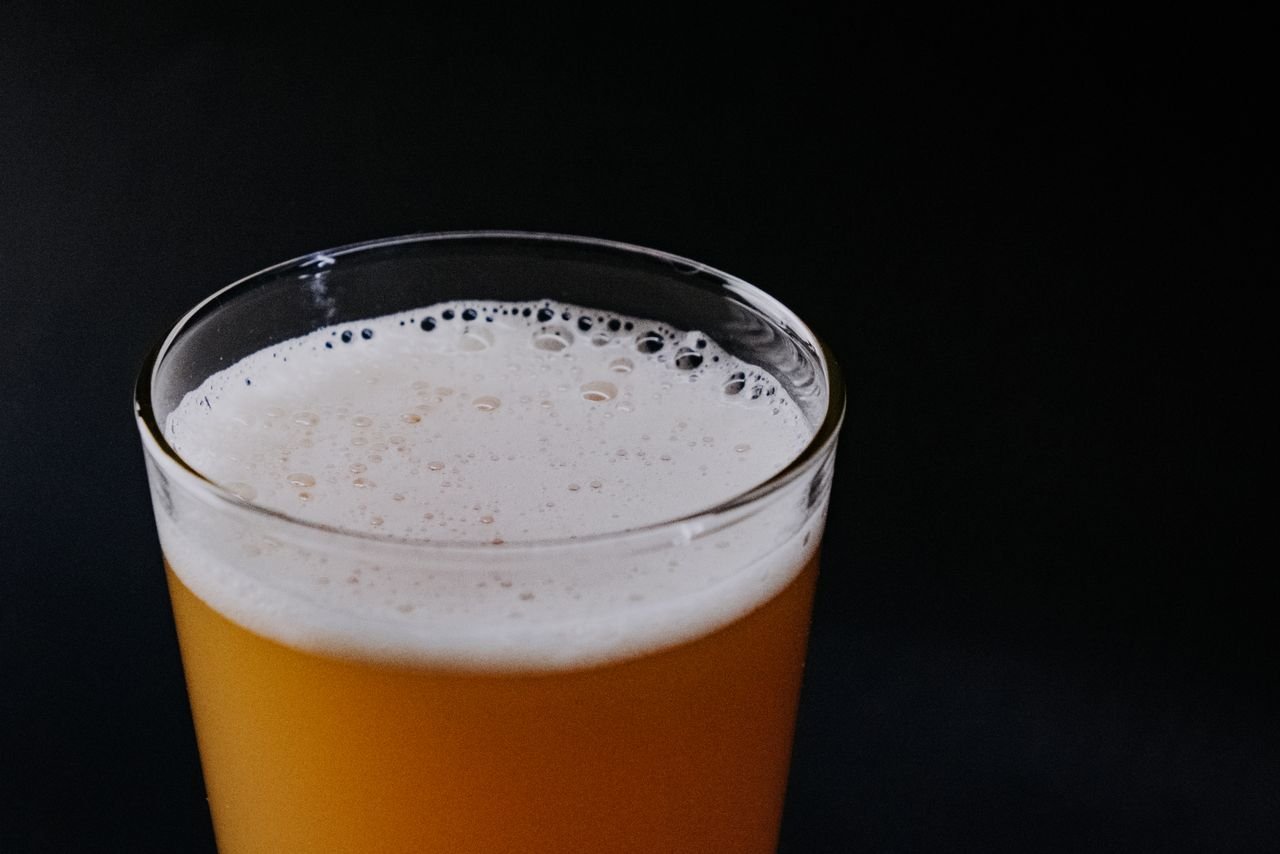
There’s a category of beers that never quite gets the attention it deserves — not dramatic enough to inspire cult followings like imperial stouts, not trendy enough to dominate craft tap lists like hazies. Amber and red ales occupy that comfortable middle ground between pale and dark: malt-forward, approachable, balanced. They’re the workhorse pints that hold up in almost any setting, pair well with a wide range of food, and reward anyone willing to slow down and pay attention to what malt actually tastes like.
What Defines an Amber or Red Ale?
The terms “amber” and “red” are partly aesthetic descriptions (referring to color) and partly shorthand for a loose family of malt-forward ales that share several characteristics:
- Color: 10–25 SRM (copper to deep ruby-red)
- ABV: 4.0–6.5% (varies by sub-style)
- IBU: 18–40 (moderate bitterness, rarely dominant)
- Malt profile: Toasty, biscuity, caramel-forward
- Body: Medium
The color comes primarily from crystal and caramel malts — specialty grains that are kilned while wet, converting starch to sugars that caramelize in the husk. Crystal malts add sweetness, amber to red hues, and flavors that range from toffee at lower roast levels to dark dried fruit at higher ones. According to the BJCP style guidelines, amber ales can sit anywhere from “light amber” to “deep copper” — the red designation usually implies a richer, deeper hue.
American Amber Ale
The American amber ale is the domestic standard-bearer of the category and one of the most widely distributed craft beer styles in the country. Think Fat Tire by New Belgium — one of the bestselling craft beers in American history, and the style that introduced millions of mainstream drinkers to something beyond pale lager.
Key characteristics:
- ABV: 4.5–6.2%
- IBU: 25–40
- Hop character: Present but supporting — citrus or floral without dominating
- Malt: Toasted bread, caramel, very light chocolate at the edges
American hops (Cascade, Centennial, Columbus) provide moderate bitterness and a light citrus finish that keeps the caramel malt from becoming cloying. The result is one of the most food-friendly styles in craft beer — the malt sweetness bridges a wide range of dishes without overwhelming them.
The Brewers Association consistently ranks amber ale among the top-five selling craft styles, even as drinker attention chases newer categories. There’s a reason for that staying power: it’s genuinely easy to enjoy.
Irish Red Ale
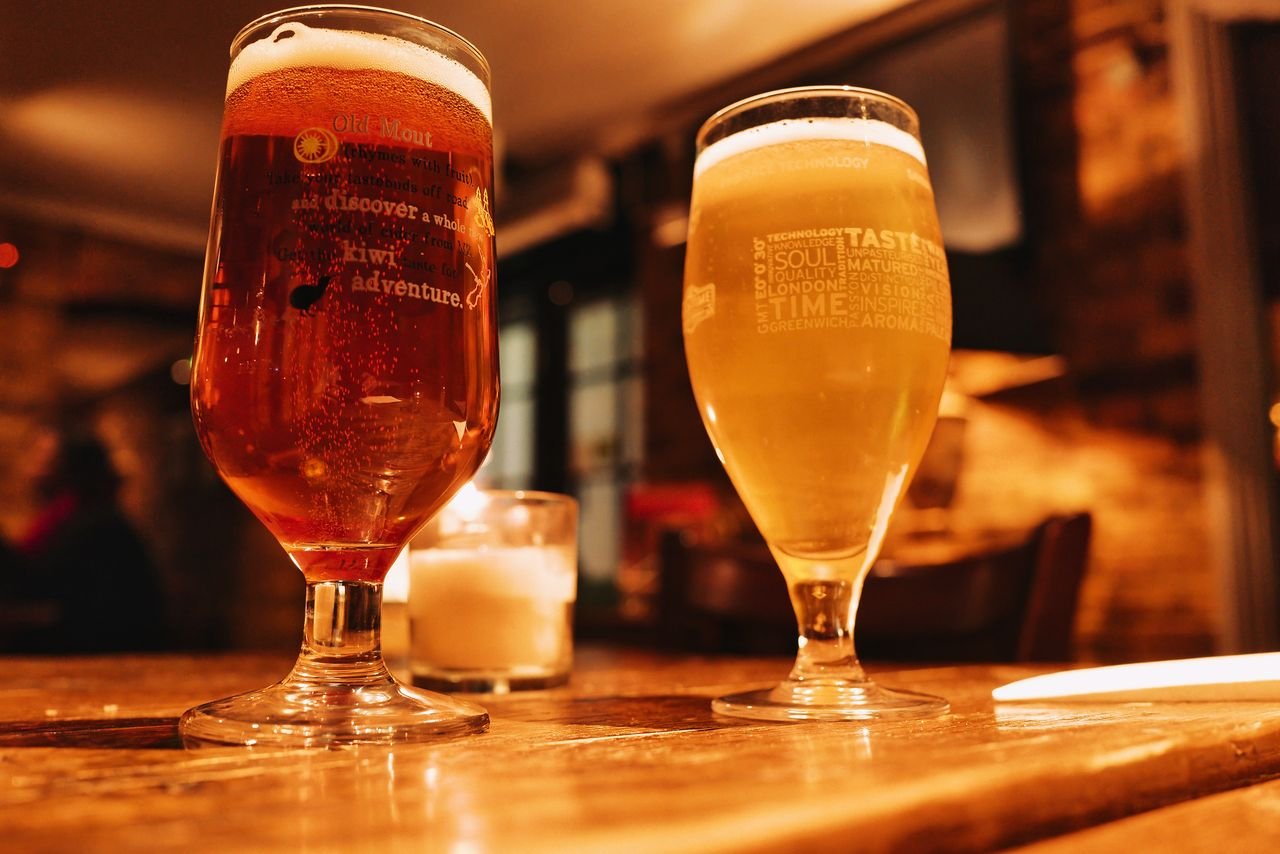
The Irish red is a distinct sub-style with a notably different character from its American cousin. Developed in Ireland — most famously associated with Smithwick’s, brewed in Kilkenny since 1710 — the Irish red is defined by its restraint.
- ABV: 3.8–5.0%
- IBU: 18–28
- Malt: Lightly roasted barley contributes a subtle dry, roasted grain edge (not dark-beer bitter, just a hint of color and dryness)
- Hops: Minimal, just enough for balance
- Body: Medium-light, very drinkable
The signature of a proper Irish red is a slight dry roastiness at the finish — not coffee or chocolate as you’d find in a stout, but a clean grain dryness from a small addition of roasted unmalted barley. CAMRA notes this technique is shared with Guinness stout, which uses roasted barley as a primary coloring and flavor agent, but in much smaller proportions in the red.
Irish reds are among the most genuinely sessionable malt-forward styles. At under 5% ABV with a clean, dry finish, they’re designed for multi-pint sessions in a way that heavier American ambers are not.
Scottish Ales (Wee Heavy and 80 Shilling)
Scottish ales, while not always labeled as “red” or “amber,” share the same malt-first philosophy and often display similar color. The traditional nomenclature uses shilling designations (60/-, 70/-, 80/-, and 90/-) referencing historical invoice prices.
- 60 Shilling (Light): 2.5–3.5% ABV, very light and malt-forward
- 70 Shilling (Heavy): 3.5–4.0% ABV
- 80 Shilling (Export): 4.0–4.9% ABV — the everyday Scottish pub pint
- 90 Shilling / Wee Heavy: 6.5–10% ABV — rich, sometimes smoky, aged
The Siebel Institute notes that Scottish ales traditionally use a small amount of peat-smoked malt (if any), but many modern examples omit it entirely. A useful overview of the full Scottish ale family, including historical context on the shilling system, is maintained by BeerAdvocate. The common thread is low hop bitterness and a focus on malt complexity — toffee, heather honey, bread crust.
Red IPAs and Hoppy Reds
The craft beer era has produced a hybrid worth mentioning: the red IPA (or “hoppy red”). This style keeps the caramel-malt backbone of an amber but layers on IPA-level hop intensity (50+ IBU, heavy dry hopping). The result is a more complex beer than either category alone — the malt sweetness prevents the bitterness from becoming harsh, and the caramel supports hop flavors like stone fruit and citrus that might otherwise read as thin.
Red IPAs represent the “best of both worlds” argument for malt-hop balance, though they can tip into the cloyingly sweet or harshly bitter if not brewed with care. They’re well-covered in the broader IPA styles guide.
Amber and Red Ales at the Table
Few styles match as broadly with food. The moderate bitterness and caramel character make amber and red ales natural companions for:
- Roasted meats: Grilled chicken, pork tenderloin, smoked ribs
- Pizza and burgers: The classic malt-fat bridge
- Cheddar and medium-aged cheeses: Caramel malt + sharp cheese = very good decision
- Autumnal dishes: Butternut squash soup, roasted root vegetables
- Mexican food: Amber ale with street tacos is a combination that needs no explanation
For the deeper science behind beer and food matching, CraftBeer.com maintains one of the most detailed pairing resources on the web.
How to Find a Great Amber or Red
Untappd makes it easy to search by style and find local examples. For a starting benchmark, look for these categories on the tap list at any well-stocked craft bar:
- An American amber (4.5–6.0%) — Fat Tire is the reference, but local craft versions are often better
- An Irish red (3.8–5.0%) — look for the dry roasty finish
- A Scottish 80 Shilling, if you can find it — the malt complexity is worth seeking out
- A red IPA if you want more hop presence
For context on what different malts contribute to these colors and flavors, our guide to understanding malt goes deep on how kilning temperature determines everything from sweetness to color.
The Brew Professor Takeaway
Amber and red ales are the beers that remind you malt is not just filler — it’s flavor. The caramel, toffee, toast, and biscuit character of a well-made American amber or the clean, dry roastiness of an Irish red represent a whole dimension of brewing craft that gets drowned out in a world obsessed with hop bombs. These styles aren’t settling for less; they’re making an argument that balance is its own form of excellence. Give one your full attention sometime, and you might find yourself quietly reaching for another.