Ask someone to picture “beer” and they will almost certainly imagine a pilsner — clear, golden, with a white foam head. The pilsner style has come to define beer visually for most of the world, despite representing only a tiny slice of the full style spectrum. Understanding what a real pilsner actually is — and how Czech and German versions differ — is one of the most useful pieces of beer education you can acquire.
The 1842 Revolution
Before October 5, 1842, most of the world’s beer was brown, amber, or dark. The first-ever clear golden lager was brewed that day in Pilsen (Plzeň), Bohemia — now the Czech Republic — at a newly constructed civic brewery. The brewer was Bavarian lager specialist Josef Groll, and the result was something nobody had ever seen: a pale, crystal-clear, golden beer with brilliant clarity and soft, balanced flavor.
The style was named Pilsner (or Pilsener) after the city, and it conquered the world. By the late 19th century, pale lager had become the dominant beer style across Europe and eventually North America. Pilsner Urquell — the original brewery in Plzeň — still operates and produces the definitive example of Czech pilsner.
Why Plzeň? The Role of Soft Water
The secret to the original pilsner’s character isn’t just a clever recipe — it’s Plzeň’s remarkably soft water. The local water is extremely low in dissolved minerals, particularly sulfates and carbonates. This soft water:
- Allows the Saaz hops to express a gentler, more refined bitterness
- Enables a softer malt character without harsh edge
- Contributes to the smooth, rounded mouthfeel that defines Czech pilsner
German pilsner, brewed with harder water in many regions, tends to taste crisper and more bitter as a result. The BJCP Style Guidelines describe this water chemistry distinction as fundamental to the style split.
Czech Pilsner (Bohemian Pilsner)
BJCP Style 3A:
- ABV: 4.2–5.4%
- IBU: 30–45
- Color: Straw to deep gold
- Hops: Czech Saaz — spicy, herbal, floral, low-to-moderate bitterness
- Malt: Bohemian Pilsner malt; soft, bready, slightly sweet
- Mouthfeel: Full, rounded, creamy for a lager
- Finish: Soft bitterness with lingering hop aroma; low diacetyl acceptable
Czech lager is traditionally lagered for a longer conditioning period than German versions — sometimes 6–12 weeks — which contributes to exceptional smoothness. Czech pubs often serve it via special slow-pour taps that build a thick, creamy head, and the beer may have a slight, acceptable diacetyl (butterscotch) character that’s considered a feature of traditional Czech brewing.
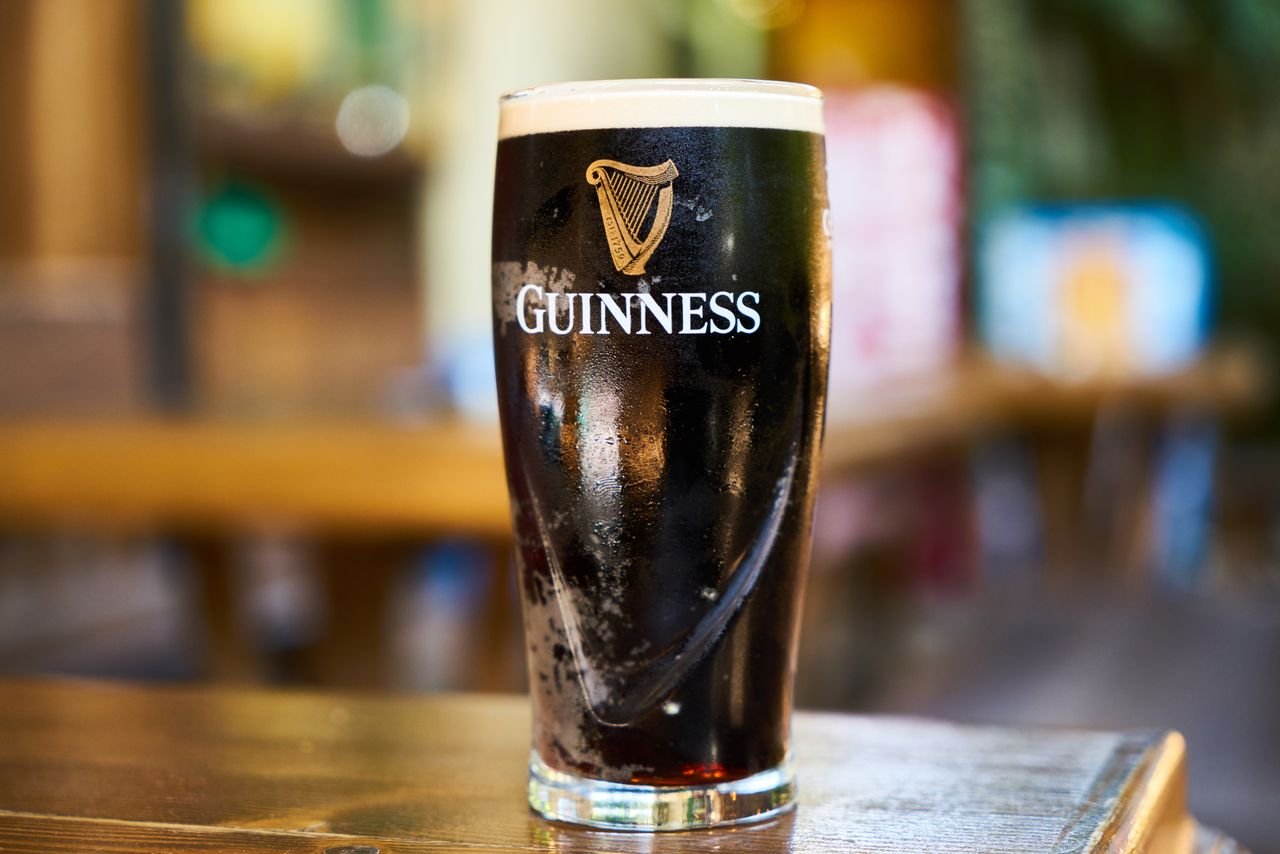
German Pilsner (Deutsches Pils)
BJCP Style 5D:
- ABV: 4.4–5.2%
- IBU: 22–40
- Color: Straw to light gold — typically paler than Czech pilsner
- Hops: German noble hops (Hallertau, Tettnang, Spalt, Saaz); herbal, floral, with a snappier bitterness
- Malt: German Pilsner malt; very light, clean, minimal sweetness
- Mouthfeel: Light to medium, crisper than Czech
- Finish: Dry, clean, moderately bitter
German Pils is crisper and drier than its Czech counterpart — less malt sweetness, sharper hop snap in the finish. The difference between a Czech Urquell and a German Bitburger or Jever is immediately apparent: one is round and malty, the other is clean and crisp.
| Feature | Czech Pilsner | German Pilsner |
|---|---|---|
| Water | Very soft | Medium to hard |
| Malt character | Bready, slightly sweet | Clean, minimal |
| Hop bitterness | Moderate, refined | Firm, snappy |
| Mouthfeel | Full, creamy | Light, crisp |
| Diacetyl | Trace acceptable | Not acceptable |
| ABV | 4.2–5.4% | 4.4–5.2% |
American Adjunct Lager: The Distant Relative
Mass-market American lagers (Budweiser, Coors, Miller Lite) are technically descended from pilsner — German immigrant brewers brought the style to America in the 19th century — but they use rice or corn adjuncts in place of some barley malt. This reduces cost and produces a lighter, more neutral flavor. They’re not pilsners in the traditional sense, though they’re often colloquially called “pils.”
Bohemian Pale Lager vs. “World Lager”
The Brewers Association distinguishes between authentic Czech/German pilsner and the broader “world lager” category that encompasses mass-market variations. A genuine pilsner — made with pilsner malt, noble hops, soft or filtered water, and proper cold lagering — is a technically demanding and genuinely delicious beer.
Homebrewing a Pilsner
Pilsner is considered one of the hardest styles to brew well at home. Without yeast-driven complexity to mask flaws, every element must be precise: water chemistry, fermentation temperature (typically 48–54°F for lager yeast), and an extended lagering period. The Siebel Institute teaches lager brewing technique in depth as part of their professional curriculum. Because lager fermentation requires weeks of cold conditioning, homebrewers should also review how long it takes to brew beer before committing to their first pilsner batch.
If you’re homebrewing, pay particular attention to water chemistry for brewing — soft, low-mineral water is perhaps the single most important variable for authentic Czech pilsner character.
Finding Great Pilsner
The benchmark examples to seek out:
- Pilsner Urquell — Czech; the original
- Budweiser Budvar (Czechvar in the US) — Czech
- Jever — German; famously bitter
- Bitburger — German; clean and crisp
- Rothaus Pils — German; hop-forward and excellent
- Trumer Pils — Austrian-influenced; very elegant
BeerAdvocate’s pilsner ratings and Untappd are both useful for finding well-regarded craft pilsners from American breweries, which have proliferated significantly in the 2020s.
Craft Pilsner’s Renaissance
After decades during which pilsner was synonymous with mass-market mediocrity, the 2010s and 2020s brought a full-scale craft pilsner revival. American craft breweries began producing careful, ingredient-forward pilsners using quality German and Czech malts, imported Saaz hops, and proper lagering schedules — and drinkers noticed the difference immediately.
This resurgence recognized something that the best European producers never forgot: pilsner is not easy to make well, and great pilsner is genuinely complex. The clean canvas that makes bad pilsner forgiving of shortcuts also makes excellent pilsner sing with nuance.
The Great American Beer Festival has seen significantly expanded competition entries in German-style and Bohemian pilsner categories in recent years, reflecting the broader craft community’s renewed interest.
Czech and German craft pilsner producers have also refined their offerings. The Brewers Association has published data showing pilsner and lager styles among the fastest-growing segments in American craft production over the past five years.
The Brew Professor Takeaway
The pilsner is arguably the most important beer style in history — it reshaped what the world expects beer to look and taste like. But the authentic versions, particularly a well-made Czech pilsner served fresh and on tap, are remarkably different from what most people associate with “just a lager.” Seek out the originals — they’re a revelation.